 EN
EN


ما الذي يجعل المُطبّقات الطبية حاسمة في جمع العينات؟
في الرعاية الصحية الحديثة وتشخيص المختبرات، يُعد جمع العينات الأساس للاختبارات الدقيقة والنتائج الموثوقة. من الفحوصات الروتينية إلى التحاليل المخبرية المعقدة، فإن جودة العينات المجمعة تؤثر بشكل مباشر على دقة التشخيص، وقرارات العلاج، وسلامة المرضى. وتؤدي الأدوات الطبية دورًا محوريًا في هذه العملية، حيث تعمل كواجهة مباشرة بين المريض، والعينة، وبيئة الاختبار. عندما الأدوات الطبية تُختار بشكل صحيح وتُستخدم بالطريقة السليمة، فإنها تساعد على ضمان سلامة العينة، وتقليل مخاطر التلوث، ودعم الإجراءات السريرية القياسية عبر مختلف البيئات الطبية والمختبرية.
ما الذي يجعل المُطبّقات الطبية حاسمة في جمع العينات؟
الحفاظ على سلامة العينة منذ أول اتصال
غالبًا ما تكون الأجهزة الطبية المُطبِّقة هي الأدوات الأولى التي تتلامس مع العينة، سواء كانت عينة بيولوجية أو مسحة من السطح أو إفرازات مجمعة. ويتحدد من خلال هذا التلامس الأولي ما إذا كانت العينة تمثل بدقة المصدر الذي يتم اختباره. صُممت الأجهزة الطبية المُطبِّقة عالية الجودة لجمع العينات والاحتفاظ بها دون تغيير تركيبها، وهو أمر ضروري للحصول على تحليل موثوق.
إذا قام مادة الجهاز المُطبِّق بإطلاق ألياف، أو تفاعلت مع العينة، أو لم تمتص العينة أو تُفرزها بشكل صحيح، فقد تتأثر نتائج الاختبار. وتساعد الأجهزة الطبية المُطبِّقة ذات هياكل رأس متسقة وامتصاصية خاضعة للتحكم في الحفاظ على الخصائص الأصلية للعينة. وتكتسب هذه الموثوقية أهمية خاصة في الفحوصات الميكروبيولوجية والجزيئية، حيث يمكن أن تؤثر أي شوائب طفيفة على النتائج.
من خلال الحفاظ على سلامة العينات، تدعم الماصات الطبية التشخيص الدقيق وتقلل من الحاجة إلى أخذ عينات متكررة. وهذا لا يحسن كفاءة المختبر فحسب، بل يعزز أيضًا راحة المريض وثيقته في الإجراءات الطبية.
تقليل مخاطر التلوث أثناء الجمع
يُعد التلوث أحد أكبر التحديات في جمع العينات. صُممت الماصات الطبية خصيصًا لتقليل هذا الخطر من خلال تقديم حلول معقمة للاستخدام الواحد، تمنع التلوث المتبادل بين العينات أو المرضى. وتساعد الماصات الطبية المعقمة في الحفاظ على بيئات خاضعة للرقابة، خاصةً في المستشفيات والعيادات والمختبرات المعتمدة.
تحمي الماصات الطبية المعبأة بشكل صحيح من الملوثات البيئية قبل الاستخدام. وبمجرد استخدامها، يتيح تصميمها للمهنيين الصحيين جمع العينات دون تلامس غير ضروري، مما يقلل من احتمالية إدخال كائنات دقيقة خارجية. ويُعد ذلك أمرًا بالغ الأهمية في السيطرة على العدوى والرصد الوبائي.
في البيئات المعملية، يمكن أن تؤدي التلوثات إلى نتائج إيجابية كاذبة أو غير حاسمة. تساعد أدوات التطبيق الطبية التي تستوفي معايير صارمة من حيث التعقيم والجودة المعامل على الحفاظ على الاتساق والامتثال، مما يعزز الثقة في البيانات التشخيصية.
دعم الإجراءات السريرية والمعملية الموحّدة
التوحيد القياسي أمر ضروري في مجال الرعاية الصحية والعمليات المخبرية. تسهم أدوات التطبيق الطبية في ذلك من خلال تقديم خصائص موحدة من حيث الحجم والشكل والأداء، تتماشى مع البروتوكولات المُعتمدة. وعندما يستخدم الكوادر أدوات تطبيق طبية قياسية، يتم تقليل التباين في جمع العينات.
إن الاستخدام المتسق لأدوات التطبيق الطبية يبسط عملية التدريب ويضمن إمكانية تكرار الإجراءات عبر الأقسام والمرافق. ويكتسب هذا الاتساق أهمية خاصة في النظم الصحية الكبرى وشبكات التشخيص، حيث يقوم عدد كبير من المهنيين بجمع العينات يوميًا.
تُسهم أجهزة التطبيق الطبية القياسية أيضًا في دعم التوثيق والامتثال التنظيمي. وعندما تكون الأدوات متسقة، يصبح من السهل التحقق من الإجراءات وإجراء عمليات التدقيق وإثبات الالتزام بمعايير الجودة.
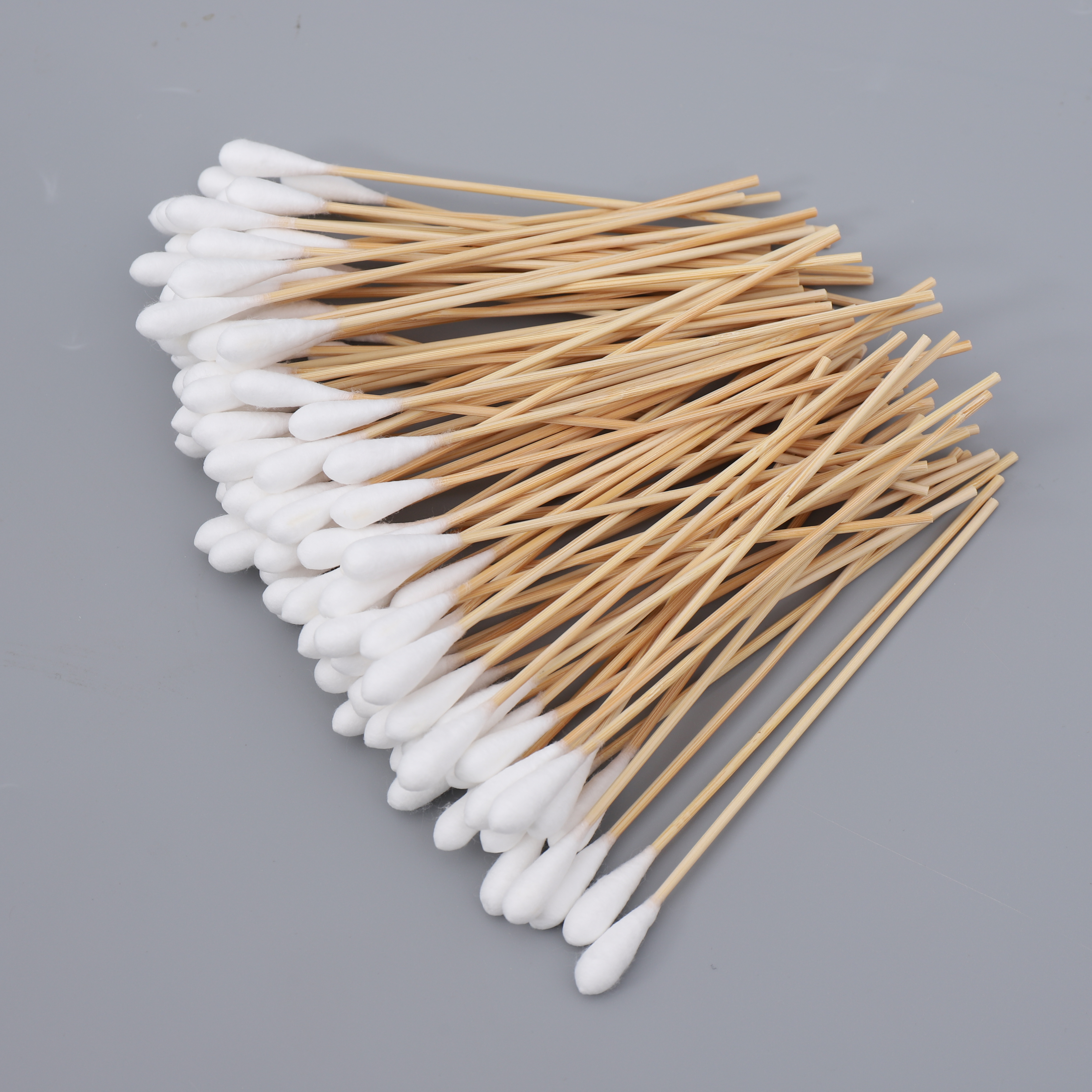
عوامل المواد والتصميم التي تؤثر على الأداء
مواد رؤوس التطبيقات والتفاعل مع العينات
تؤثر مادة رأس جهاز التطبيق الطبي بشكل مباشر على طريقة جمع العينات وإطلاقها. وتشمل المواد الشائعة القطن والرغوة والألياف الاصطناعية، وكل منها يوفر خصائص أداء مختلفة. ويضمن اختيار مادة الرأس المناسبة التوافق مع نوع العينة وطريقة الاختبار.
تُستخدم أجهزة التطبيق الطبية المزودة برؤوس قطنية على نطاق واسع لجمع العينات العامة نظرًا لقدرتها على الامتصاص، ولكن قد لا تكون مناسبة لجميع التطبيقات المخبرية. وغالبًا ما تُفضل الرؤوس الرغوية أو الاصطناعية في المختبرات التشخيصية لأنها قليلة الانسلاخ وتتيح إطلاق العينة بشكل أكثر ضبطًا.
تسمح أدوات التطبيق الطبية ذات التصاميم المُحسّنة لأطرافها بجمع العينات بكفاءة مع تقليل فقدان العينة. إن التوازن بين الامتصاصية وسهولة الإطلاق أمر بالغ الأهمية لضمان دقة الفحوصات والتحليلات اللاحقة.
هيكل الساق والتحكم في المناورة
يُوفّر ساق أداة التطبيق الطبية الثبات والتحكم أثناء جمع العينات. وتُعد مواد الساق مثل البلاستيك أو البولي بروبيلين موحدة وتقلل من خطر التصدع، وهو ما يكتسب أهمية في البيئات المعقمة. كما أن طول الساق وصلابته يؤثران أيضًا على سهولة الاستخدام.
تتيح أدوات التطبيق الطبية ذات الأسياخ المصممة جيدًا للمهنيين الصحيين الوصول إلى المناطق المستهدفة دون الحاجة إلى ضغط مفرط أو زوايا غير مريحة. ويشكّل هذا الجانب أهمية خاصة في الإجراءات التي تنطوي على أنسجة حساسة أو أماكن ضيقة.
يساهم التصميم المريح للساق في راحة المستخدم ودقته. فعندما تكون أدوات التطبيق الطبية سهلة التعامل، تتحسن دقة الإجراءات وتقل احتمالية الوقوع في الأخطاء.
التوافق مع عمليات الاختبار والنقل
بعد جمع العينات، غالبًا ما تمر العينات بعمليات النقل والتخزين والمعالجة. يجب أن تكون أجهزة التطبيق الطبية متوافقة مع هذه الخطوات للحفاظ على جودة العينة. تتطلب بعض طرق الاختبار استخدام أجهزة تطبيق قادرة على إطلاق العينات بكفاءة في وسائط النقل أو أجهزة الاختبار.
تساعد أجهزة التطبيق الطبية المصممة لتكون متوافقة مع أنظمة النقل الشائعة في تبسيط سير العمل. كما تقلل من خطوات التعامل مع العينات وتُقلّص خطر تدهور العينة أثناء النقل.
يمتد التوافق أيضًا ليشمل الاستقرار الكيميائي والبيولوجي. يجب ألا تضيف أجهزة التطبيق الطبية مواد تتدخل مع الكواشف أو منصات الاختبار، مما يضمن نتائج متسقة وموثوقة.
دور أجهزة التطبيق الطبية في أنواع مختلفة من العينات
الاستخدام في جمع العينات الميكروبيولوجية
في علم الأحياء الدقيقة، يؤثر جودة العينة بشكل مباشر على نمو الزرع ودقة التعرف. وتُستخدم المسحات الطبية لجمع العينات من الأسطح والجروح ومناطق الغشاء المخاطي حيث يجب تقييم وجود الكائنات الدقيقة بدقة.
تُعد المسحات الطبية ذات الخصائص المثبطة المنخفضة ضرورية لتجنب كبح نمو الكائنات الدقيقة. ويُصمم تصميمها لدعم النقل الفعّال للكائنات الدقيقة إلى وسائط الزرع أو أنظمة النقل دون المساس بقدرتها على البقاء.
يساعد الاستخدام المتسق للمسحات الطبية المناسبة المختبرات في تحقيق نتائج قابلة للتكرار، وهو أمر بالغ الأهمية للتشخيص وتخطيط العلاج ومراقبة مكافحة العدوى.
التطبيق في الاختبارات الجزيئية والتشخيصية
تتطلب التشخيصات الجزيئية مستويات عالية من الدقة والنقاء. ويجب أن تكون المسحات الطبية المستخدمة في هذه البيئات قادرة على تقليل التلوث إلى أدنى حد وتجنب إدخال مواد مثبطة قد تؤثر على تضخيم الحمض النووي أو اكتشافه.
غالباً ما تتميز أجهزة التطبيق الطبية المصممة للاختبار الجزيئي بأطراف اصطناعية ذات ربط منخفض تدعم إطلاق العينات بكفاءة. هذا يضمن أن المواد الوراثية الكافية متاحة للتحليل الدقيق.
في سير العمل التشخيصي، يسهم المطبقون الطبيون الموثوقون في سرعة أوقات الاستجابة وتقليل إعادة الاختبار، مما يدعم اتخاذ القرارات السريرية في الوقت المناسب.
أهمية الفحص السريري والاختبارات الروتينية
يعتمد الفحوصات الروتينية بشكل كبير على ممارسات جمع العينات المتسقة. تستخدم المطبقات الطبية عادة في مسحات الحلق، ومسحات الأنف، وغيرها من الإجراءات غير الغازية التي تتطلب تعاون المريض وراحة.
المطبقات الطبية ذات الطرفات الناعمة والمرونة المناسبة تساعد على تقليل الانزعاج أثناء التقاطها. هذا يحسن امتثال المرضى ويقلل من مقاومة الاختبارات الضرورية.
من خلال دعم جمع العينات بكفاءة وراحة، تلعب أجهزة التطبيق الطبية دورًا رئيسيًا في برامج الفحص واسعة النطاق والعمليات السريرية اليومية.
ضمان الجودة وموثوقية الموردين
الاتساق في التصنيع ومراقبة الجودة
أداء المطبق الطبي يعتمد على ضوابط صناعية صارمة. المواد الخام المتسقة، وبيئات الإنتاج المسيطر عليها، وعمليات الفحص الدقيقة كلها تسهم في موثوقية المنتج.
المطبقات الطبية المنتجة بموجب أنظمة إدارة الجودة تقدم أداءً متوقعًا عبر المجموعات. هذا التوافق أمر بالغ الأهمية للمختبرات ومقدمي الرعاية الصحية الذين يعتمدون على أدوات موحدة للعمليات اليومية.
اختيار الموردين الذين لديهم ممارسات قوية لضمان الجودة يساعد على تقليل التباين ودعم الثقة طويلة الأجل في المستخدمين الطبيين.
ضمان العقم وموثوقية التعبئة
العقم هو شرط غير قابل للتفاوض بالنسبة للعديد من إجراءات جمع العينات. يجب تعقيم المطبق الطبي باستخدام طرق معتمدة وتعبئتها للحفاظ على العقم حتى الاستخدام.
تغليف عالي الجودة يحمي المطبقين الطبيين من التعرض للبيئة والأضرار الجسدية. التسمية الواضحة والقدرة على التتبع تساعد على التعامل الآمن وإدارة المخزون.
ضمان العقم الموثوق به يقلل من مخاطر العدوى ويدعم الامتثال للأنظمة الصحية والمختبرية.
الدعم الفني وإرشادات الاستخدام
وبالإضافة إلى جودة المنتج، فإن دعم الموردين يلعب دوراً هاماً في استخدام المطبقات الطبية بنجاح. تساعد الإرشادات حول الاختيار والتخزين والتطبيق المستخدمين على تحقيق أقصى قدر من الأداء وتجنب إساءة الاستخدام.
يمكن للموردين الذين يفهمون عمليات العمل السريرية والمختبرية أن يوصوا بمطبقات طبية مصممة خصيصًا لأنواع عينات معينة ومتطلبات الاختبار. هذا النهج التشاوري يضيف قيمة إلى ما وراء المنتج نفسه.
يساهم الدعم الفني القوي في التنفيذ السلس والرضا على المدى الطويل مع المطبقات الطبية.
الأسئلة الشائعة
لماذا المطبقات الطبية ضرورية لجمع العينات بدقة؟
توفر أجهزة التطبيق الطبية اتصالًا صحيًا ومتحكمًا بالعينات ، مما يساعد على الحفاظ على سلامة العينة وتقليل التلوث. تصميمها يدعم الإجراءات الموحدة، وهو أمر بالغ الأهمية لنتائج الاختبار الدقيقة والقابلة للتكرار.
كيف تؤثر المطبقات الطبية على موثوقية الاختبارات المعملية؟
من خلال تقليل التلوث وضمان نقل العينات بشكل ثابت، يساعد المطبق الطبي المختبرات على تحقيق نتائج موثوقة وقابلة للتكرار. يمكن أن يقدم المطبقون ذوو الجودة السيئة متغيرات تعرض دقة الاختبار للخطر.
هل جميع المطبقات الطبية مناسبة لكل نوع من العينات؟
تتطلب أنواع العينات المختلفة مواد ومصممات مختلفة للمطبق. يضمن اختيار المطبقين الطبيين بناءً على متطلبات التطبيق التوافق مع طرق الاختبار ويحسن الأداء العام.

