Viscose Polyester Spunlaced Non Woven Fabric - Superior Performance Materials

Get a Free Quote

Our representative will contact you soon.
Email
Company Name
Name
Phone number
Product
Message
0/1000

viscose and polyester spunlaced non woven fabric

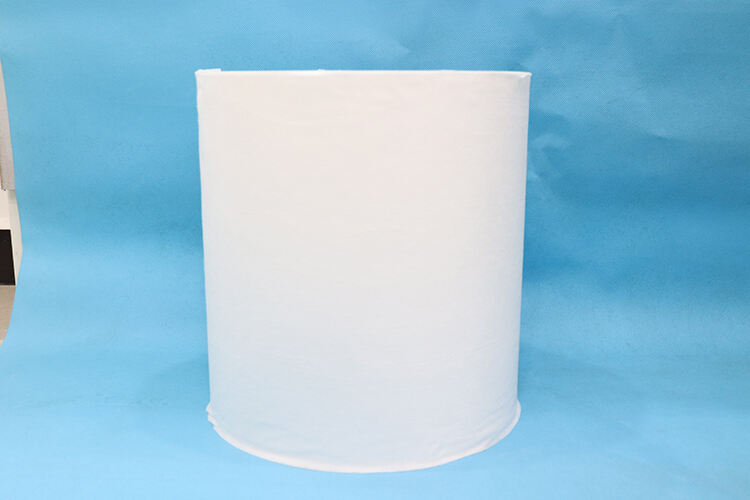
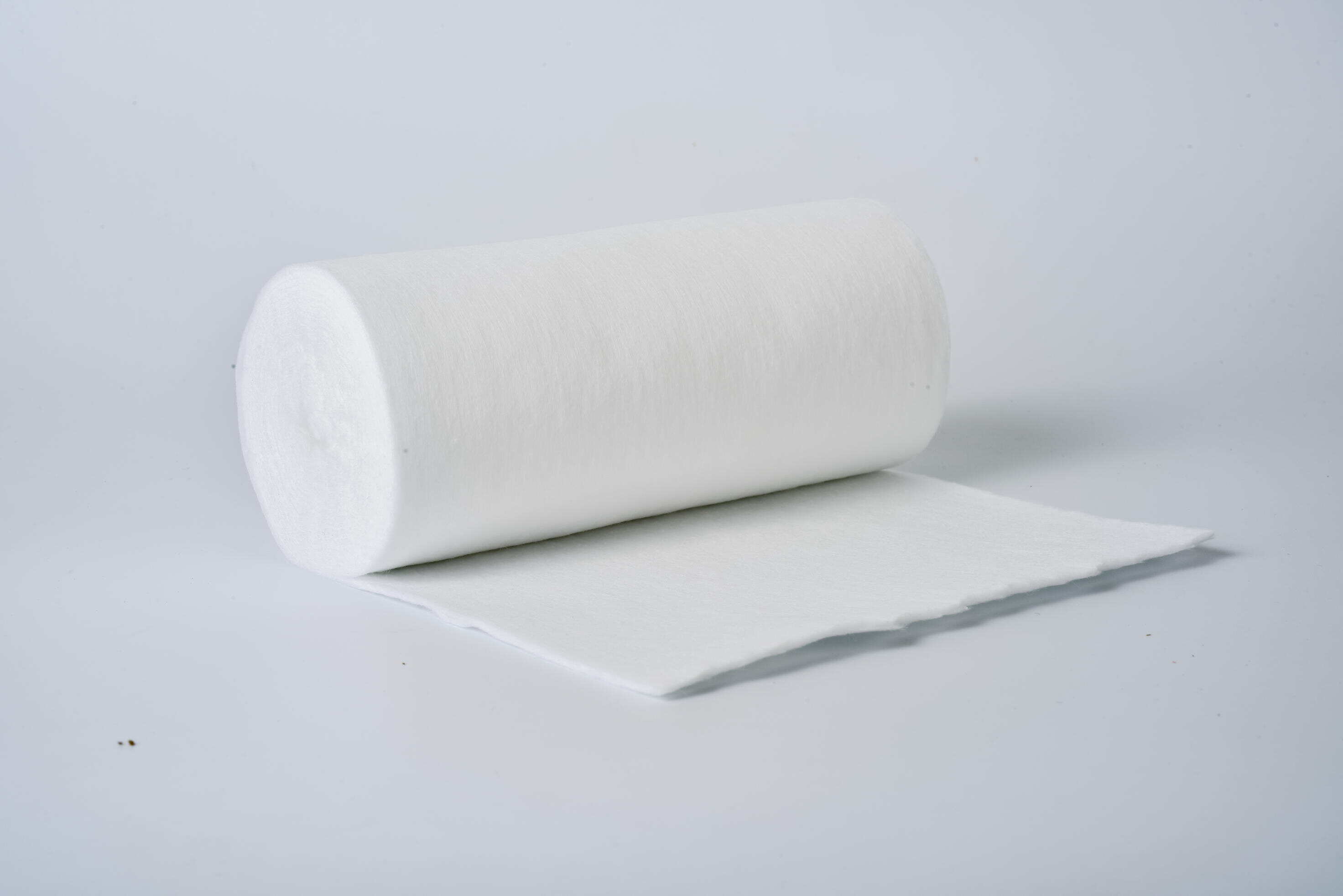
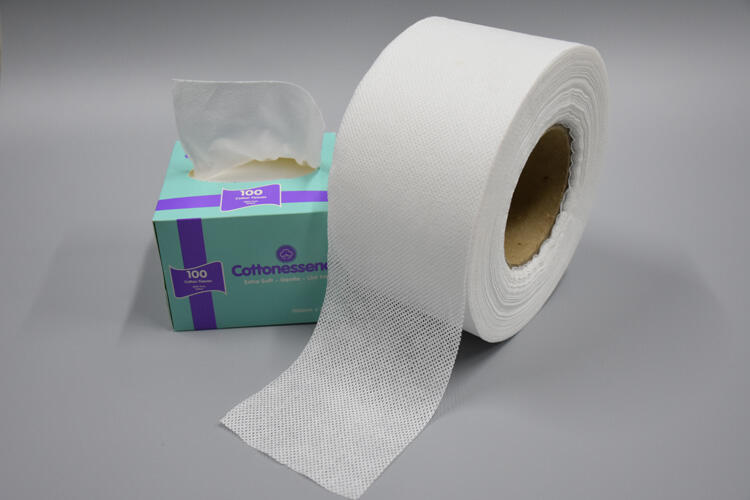
Viscose and polyester spunlaced non woven fabric represents a revolutionary textile innovation that combines the natural comfort of viscose fibers with the durability of polyester through advanced spunlace technology. This sophisticated manufacturing process involves high-pressure water jets that entangle fibers without the need for chemical binders or adhesives, creating a fabric with exceptional strength and versatility. The spunlace technique ensures uniform fiber distribution and optimal bonding, resulting in a material that maintains consistent quality across its entire surface. The viscose component provides excellent moisture absorption properties and soft texture, while polyester contributes dimensional stability and enhanced tear resistance. This dual-fiber composition creates a balanced fabric that performs exceptionally well in demanding applications. The main functions of viscose and polyester spunlaced non woven fabric include superior liquid absorption, effective filtration capabilities, and reliable barrier protection. Its technological features encompass controlled porosity, customizable thickness ranging from ultra-thin to heavy-duty specifications, and exceptional wet strength retention. The fabric demonstrates remarkable versatility in weight variations, typically ranging from 30 to 200 grams per square meter, allowing manufacturers to tailor products for specific requirements. Advanced production techniques ensure consistent fiber orientation and optimal pore structure distribution. Applications span across medical and healthcare sectors for surgical gowns, wound dressings, and patient care products. Industrial uses include automotive interiors, construction materials, and specialized filtration systems. Consumer applications encompass household cleaning products, personal care items, and textile manufacturing components. The fabric's biocompatible nature makes it suitable for direct skin contact applications, while its chemical resistance properties enable use in harsh industrial environments where traditional textiles would deteriorate rapidly.

Popular Products

Viscose and polyester spunlaced non woven fabric delivers numerous practical benefits that make it an superior choice for manufacturers and end-users across various industries. The fabric offers exceptional absorbency rates that significantly outperform traditional woven materials, absorbing up to ten times its weight in liquids while maintaining structural integrity. This remarkable absorption capacity stems from the unique fiber blend and spunlace bonding process that creates optimal pore structures throughout the material. Users experience faster liquid uptake and improved retention properties, making cleaning tasks more efficient and reducing product waste. The material demonstrates outstanding durability characteristics that extend product lifespan and reduce replacement costs. Unlike conventional fabrics that may tear or degrade under stress, viscose and polyester spunlaced non woven fabric maintains its strength even when saturated with liquids. This durability translates into cost savings for businesses that rely on consistent material performance in their operations. The fabric provides excellent breathability while maintaining protective barrier properties, creating comfortable environments for users. This balanced permeability allows air circulation while preventing unwanted particle penetration, making it ideal for protective clothing and medical applications. Manufacturing processes benefit from the fabric's consistent quality and predictable performance characteristics. The material cuts cleanly without fraying, enabling precise manufacturing tolerances and reducing production waste. Its compatibility with various finishing treatments allows customization for specific applications without compromising core properties. Environmental considerations favor viscose and polyester spunlaced non woven fabric due to its reduced chemical processing requirements compared to traditional textile manufacturing. The spunlace process eliminates the need for harmful chemical binders, resulting in a cleaner production cycle. End-users appreciate the fabric's lint-free properties that prevent contamination in sensitive environments such as cleanrooms, laboratories, and food processing facilities. The material's resistance to bacterial growth and easy sterilization capabilities make it particularly valuable in healthcare settings where hygiene standards are paramount. Cost-effectiveness emerges through reduced inventory requirements since the fabric's versatility allows single materials to serve multiple applications, simplifying procurement and storage logistics for businesses.

Latest News

Are Medical Cotton Balls the Unsung Heroes of Healthcare?

06

Sep

Are Medical Cotton Balls the Unsung Heroes of Healthcare?

View More
What are the latest trends in eco-friendly medical consumables?

06

Nov

What are the latest trends in eco-friendly medical consumables?

View More
Are there any differences and uses between medical cotton swabs and beauty cotton swabs?

25

Dec

Are there any differences and uses between medical cotton swabs and beauty cotton swabs?

View More
How do I know if a nursing and cosmetic cotton pad is of high quality?

30

Dec

How do I know if a nursing and cosmetic cotton pad is of high quality?

Identify high-quality nursing and cosmetic cotton pads by checking for 100% cotton, hypoallergenic properties, durability, absorbency, and organic certifications.
View More

Get a Free Quote

Our representative will contact you soon.
Email
Company Name
Name
Phone number
Product
Message
0/1000

viscose and polyester spunlaced non woven fabric

Superior Moisture Management and Absorption Technology

Superior Moisture Management and Absorption Technology

The moisture management capabilities of viscose and polyester spunlaced non woven fabric represent a significant technological advancement in textile engineering. The unique combination of viscose fibers with polyester creates an optimized absorption system that efficiently captures, distributes, and retains various liquids while maintaining fabric integrity. Viscose fibers naturally attract moisture due to their hydrophilic properties, drawing liquids into the fabric structure through capillary action. The polyester component provides structural support and prevents fabric collapse during heavy liquid absorption, ensuring consistent performance throughout the material's service life. This dual-fiber system creates multiple absorption zones within the fabric matrix, allowing for rapid liquid uptake from surfaces while preventing rewetting or leakage. The spunlace bonding process enhances these natural properties by creating interconnected fiber networks that facilitate liquid distribution across the entire fabric surface. This technology eliminates dry spots and ensures uniform saturation, maximizing cleaning efficiency and reducing the amount of fabric needed for specific tasks. Industrial applications benefit from absorption rates that exceed 1500 percent of the fabric's dry weight, making it exceptionally effective for spill control and cleanup operations. Healthcare environments utilize this superior moisture management for wound care applications, where controlled fluid absorption prevents skin maceration while maintaining optimal healing conditions. The fabric's ability to maintain dimensional stability during absorption cycles prevents bunching or distortion that could compromise cleaning effectiveness. Advanced fiber orientation techniques ensure consistent absorption patterns across production batches, providing predictable performance for manufacturers who depend on reliable material characteristics. The moisture retention properties prevent dripping and minimize cross-contamination risks in sensitive environments. This technology reduces labor costs by enabling fewer fabric changes during extended cleaning operations while maintaining consistent performance standards.
Enhanced Durability and Tear Resistance Performance

Enhanced Durability and Tear Resistance Performance

Viscose and polyester spunlaced non woven fabric demonstrates exceptional durability characteristics that significantly outperform traditional non-woven materials in demanding applications. The innovative spunlace bonding technology creates mechanical interlocking between viscose and polyester fibers, forming a robust fabric structure that resists tearing, stretching, and degradation under stress. This mechanical bonding eliminates weak points commonly found in chemically bonded fabrics, where adhesive failure can cause catastrophic material breakdown. The polyester fibers provide exceptional tensile strength and dimensional stability, while viscose fibers contribute flexibility and conformability that prevents stress concentration points. This synergistic combination results in fabric that maintains its integrity even when subjected to aggressive handling, sharp objects, or extreme environmental conditions. Wet strength retention represents a critical performance advantage, with the fabric maintaining over 80 percent of its dry strength when fully saturated. This characteristic proves invaluable in medical applications where materials must perform reliably in blood or bodily fluid environments. Industrial users benefit from reduced material costs through extended service life and decreased replacement frequency. The fabric's resistance to abrasion allows repeated use in applications where other materials would quickly deteriorate, such as industrial wiping, surface preparation, and equipment maintenance. Laboratory testing demonstrates superior puncture resistance compared to traditional alternatives, making it suitable for applications involving sharp instruments or rough surfaces. The uniform fiber distribution achieved through spunlace technology prevents localized weakening that could lead to premature failure. Quality control processes ensure consistent strength characteristics across production runs, providing manufacturers with predictable performance specifications for their products. Environmental factors such as UV exposure, temperature fluctuations, and chemical contact have minimal impact on the fabric's structural integrity, extending its useful life in outdoor and industrial applications. This durability reduces waste generation and supports sustainability initiatives while providing economic benefits through reduced material consumption and disposal costs.
Versatile Application Range and Customization Capabilities

Versatile Application Range and Customization Capabilities

The remarkable versatility of viscose and polyester spunlaced non woven fabric enables its successful deployment across an extensive range of applications, from precision medical devices to heavy-duty industrial operations. This adaptability stems from the fabric's customizable properties that can be precisely tailored during manufacturing to meet specific performance requirements. Weight variations from ultra-light 30 gsm materials for delicate applications to robust 200 gsm fabrics for demanding industrial use demonstrate the technology's flexibility. Healthcare applications utilize lightweight versions for surgical drapes and wound dressings, where biocompatibility and gentle skin contact are essential. The fabric's ability to accept various surface treatments and coatings expands its functionality without compromising core properties. Antimicrobial treatments enhance its suitability for medical environments, while hydrophobic coatings create specialized barrier materials for protective clothing applications. Industrial sectors benefit from customized porosity levels that optimize filtration efficiency for specific particle sizes or fluid types. The fabric's compatibility with ultrasonic welding, heat sealing, and mechanical fastening systems simplifies integration into complex product designs. Automotive applications leverage the material's sound dampening properties and resistance to automotive fluids for interior components and under-hood applications. Construction industries utilize its filtering capabilities in geotextile applications where soil separation and water management are critical. Consumer product manufacturers appreciate the fabric's ability to accept printing, embossing, and other decorative treatments while maintaining functional properties. The spunlace process allows incorporation of specialized fibers or additives during production, creating enhanced functionalities such as increased absorbency, antimicrobial properties, or flame resistance. Color customization options enable brand differentiation while maintaining performance standards. Manufacturing scalability supports both small specialty runs and large-volume production requirements, making the technology accessible across various market segments. Quality assurance protocols ensure consistent properties regardless of customization level, providing manufacturers with reliable specifications for their specific applications.
email goToTop