 EN
EN


Kako se sterilne medicinske vatrene kuglice obrađuju radi sigurnosti bolnica?
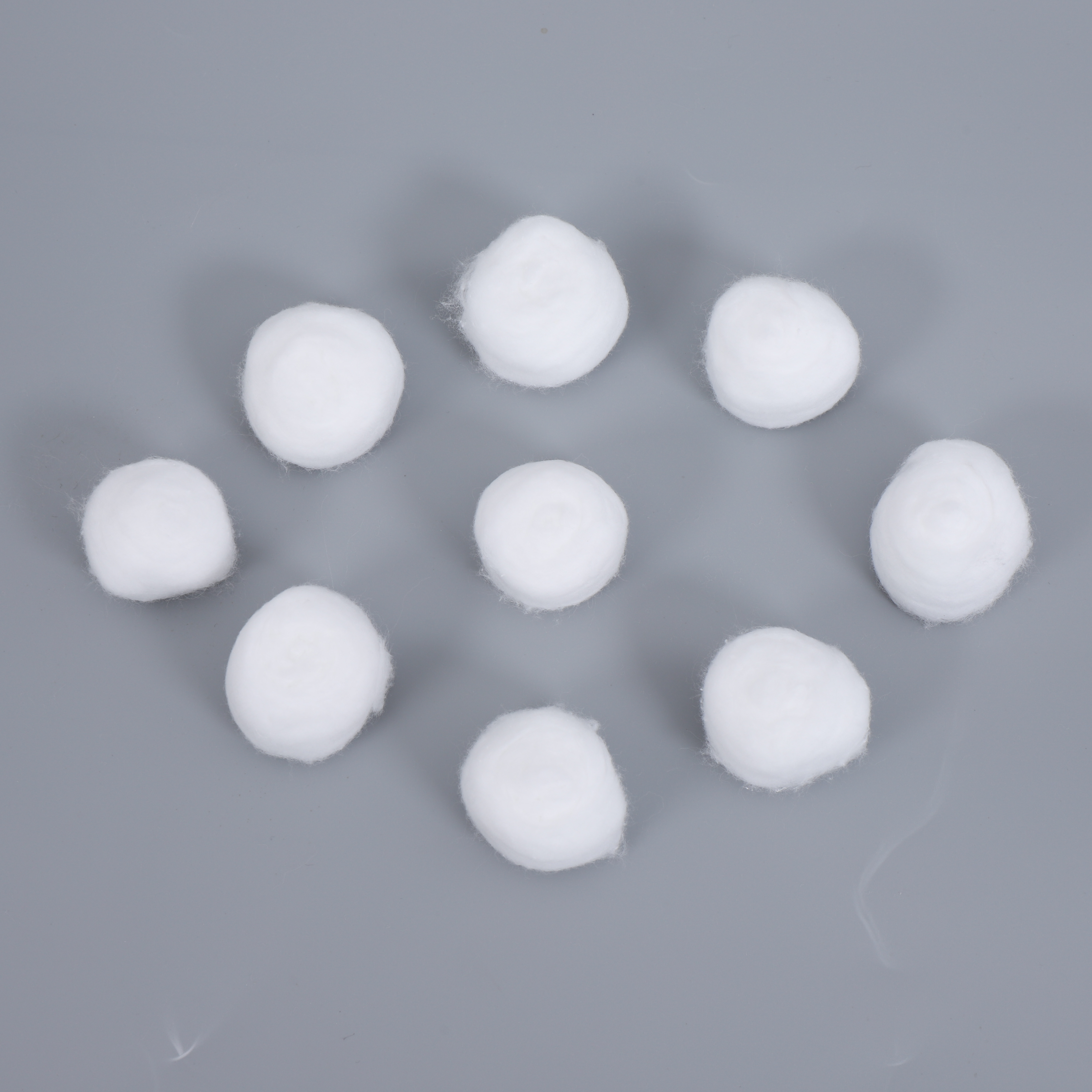
Za sigurnost u bolnicama su potrebne najviše standarde čistoće i sterilnosti, osobito kada su u pitanju medicinske zalihe koje su u izravnom kontaktu s pacijentima. Sterilne medicinske vate kuglice predstavljaju kritičnu komponentu u zdravstvenom okruženju, služeći mnogim funkcijama od čišćenja rana do primjene lijekova. Stroge metode obrade koje se koriste za postizanje potpune sterilnosti osiguravaju da ove esencijalne zalihe ispunjavaju stroge regulatorne zahtjeve, a istovremeno pružaju zdravstvenim radnicima pouzdane i sigurne materijale za liječenje pacijenata.
Put od sirovog pamuka do sterilnih medicinskih pamukovih kuglica uključuje više sofisticiranih faza namijenjenih uklanjanju svih potencijalnih onečišćujućih tvari, a istodobno očuvanju prirodnih apsorpcijskih svojstava pamukovih vlakana. Moderne proizvodne ustanove primjenjuju sveobuhvatne sustave kontrole kvalitete koji nadgledaju svaki aspekt proizvodnje, od početnog izbora vlakana do konačne pakiranja. Ti postupci osiguravaju da svaka serija sterilnih medicinskih pamukovih kuglica ispunjava nacionalne i međunarodne sigurnosne standarde potrebne za bolničku uporabu.
Odabir i priprema sirovina
Ocenjivanje kvalitete vlakana pamuka
Proces proizvodnje sterilnih medicinskih pamukovih kuglica započinje pažljivim odabirom vrhunskih pamukovih vlakana koji pokazuju vrhunsku apsorpciju i strukturalni integritet. Stručnjaci za kontrolu kvalitete ispituju sirovi pamuk na kontaminante, strane materijale i konzistenciju vlakana kako bi osigurali da se u proizvodni cijev ulazi samo najkvalitetniji materijal. U ovoj fazi prvobitnog provjeravača uklanja se pamuk koji sadrži ostatke pesticida, biljni otpad ili lošije vlakna koja bi mogla ugroziti performanse konačnog proizvoda u medicinskoj primjeni.
Napredne testne procedure ocjenjuju dužinu, čvrstoću i sposobnost apsorpcije pamučnih vlakana pomoću standardiziranih laboratorijskih metoda. U skladu s člankom 11. stavkom 1. točkom (a) Uredbe (EZ) br. 726/2009 Komisija je odredila da se za proizvod koji je upotrebljen u proizvodima za proizvodnju proizvoda za koje se primjenjuje Uredba (EZ) br. 765/2008 primjenjuje sljedeći standard: Izabrani pamuk prolazi temeljno čišćenje kako bi se uklonile sve preostale nečistoće prije nego što se pređe na sljedeću fazu proizvodnje.
Početna obrada i pročišćavanje
Sirove vlakna pamuka podvrgnu se opsežnim tretmanima čišćenja namijenjenim uklanjanju prirodnih vosaka, ulja i organskih spojeva koji bi mogli imati bakterije ili ometati učinkovitost sterilizacije. Kemijska obrada vodonik-peroksidom i drugim odobrenim sredstvima uklanja te tvari, a zadržava prirodni sastav i apsorptivna svojstva pamuka. Ova faza pročišćavanja ključna je za osiguravanje da naknadni procesi sterilizacije mogu potpuno prodrijeti kroz pamuk.
Čisti pamuk zatim prolazi kroz više ciklusa pranja pomoću vode farmaceutske kvalitete kako bi se uklonili svi kemijski ostaci i postigao traženi stupanj čistoće. Specijalizirani filtracijski sustavi osiguravaju da voda za pranje ispunjava stroge standarde čistoće, čime se sprečava ponovno kontaminacija tijekom ove ključne faze čišćenja. Kontrola temperature i pH-a održava optimalne uvjete za učinkovito pročišćavanje bez oštećenja vlakana pamuka.
Formiranje i oblikovanje pamukove kugle
Tehnologija mehaničke obrade
Čista vlakna pamuka ulaze u automatiziranu opremu za obradu koja preciznim mehaničkim sustavima oblikuje jednake pamukove kuglice. Ove strojeve kontroliraju gustoću vlakana, dosljednost veličine i jednako oblikovanje kako bi proizveli sterilne medicinske pamukove kuglice koje ispunjavaju točno određene specifikacije za medicinske primjene. Napredni senzori nadgledaju proces stvaranja, automatski prilagođavajući parametre kako bi se održao dosljedan kvalitet tijekom cijele proizvodne trke.
U skladu s člankom 3. stavkom 2. točkom (a) ovog članka, proizvod može se upotrebljavati za proizvodnju materijala koji se upotrebljava za proizvodnju materijala koji se upotrebljava za proizvodnju materijala koji se upotrebljava za proizvodnju materijala za proizvodnju materijala za proizvodnju materijala za proizvodnju materijala za Svaka obradna postaja uključuje praćenje kvalitete u stvarnom vremenu kako bi otkrila sve promjene u veličini, gustoći ili strukturi koje bi mogle utjecati na performanse konačnog proizvoda u medicinskim uvjetima.
Kontrola kvalitete tijekom osposobljavanja
Integrisani sustavi kontrole kvalitete neprekidno nadgledaju proces stvaranja pamukove kugle, mjerenje kritičnih parametara kao što su težina, prečnik i otpornost na kompresiju. U skladu s člankom 3. stavkom 2. točkom (a) ovog članka, za proizvodnju električne energije u skladu s člankom 3. stavkom 2. točkom (a) ovog članka, potrebno je upotrebljavati statističke metode kontrole procesa. U skladu s člankom 11. stavkom 1. točkom (a) Uredbe (EZ) br. 1907/2006 Komisija je odlučila o uvođenju mjera za utvrđivanje mjera za utvrđivanje mjera za utvrđivanje mjera za utvrđivanje mjera za utvrđivanje mjera za utvrđivanje mjera za utvrđivanje mjera za utvrđivanje
Automatski sustavi za odbacivanje uklanjaju sve pamukove kuglice koje ne ispunjavaju unaprijed određene specifikacije, osiguravajući da samo usklađeni proizvodi napreduju u fazu sterilizacije. Ove mjere kontrole kvalitete sprečavaju dostizanje materijala koji nisu u skladu s standardima u zdravstvenim ustanovama gdje je dosljedna učinkovitost ključna za sigurnost pacijenata i učinkovitost liječenja.
Proces sterilizacije i provjera
Metode sterilizacije parom
Najčešće korištena metoda sterilizacije za sterilne medicinske pamukove kuglice koristi par na visokom temperaturi pod pritiskom kako bi se postigla potpuna eliminacija mikroba. U slučaju da je proizvodnja materijala u skladu s člankom 3. stavkom 1. točkom (a) ovog članka, u skladu s člankom 3. stavkom 1. točkom (a) ovog članka, proizvedena je od strane proizvođača, proizvođača ili proizvođača, proizvođača ili proizvođača, proizvođač ili Ti uvjeti učinkovito uništavaju sve vegetativne bakterije, spore, viruse i gljivice koje bi mogle predstavljati rizik od infekcije u medicinskim primjenama.
Četiri sustava sterilizacije parom slijede provjerene protokole koji precizno određuju vrijeme, temperaturu i pritisak koji su potrebni za postizanje željenog stupnja sigurnosti sterilnosti. Studije potvrđivanja postupka pokazuju da se u tim uvjetima dosljedno proizvode sterilne medicinske pamukove kuglice s manje od jednog održivog mikroorganizma na milijun obradivih jedinica, što ispunjava stroge sigurnosne zahtjeve za bolničku uporabu.
Alternativne tehnologije sterilizacije
Sterilizacija etilenooksidom nudi alternativnu metodu koja je posebno pogodna za toplinski osjetljive materijale ili kada bi moglo biti ugroženo prodiranje pare. Ovaj proces sterilizacije u plinskoj fazi djeluje na nižim temperaturama, dok se kemijskim djelovanjem postiže jednaka stopa ubijanja mikroba. Za ovaj postupak potrebna je pažljiva kontrola koncentracije plina, vlažnosti i vremena izlaganja kako bi se osigurala potpuna sterilizacija sterilnih medicinskih pamukovaca u cijeloj njihovoj strukturi.
Gamma sterilizacija pruža još jednu potvrđenu metodu koja koristi ionizirajuće zračenje za uništavanje mikroorganizama bez topline ili izlaganja kemijskim tvarima. Ova tehnologija nudi prednosti za proizvodnju na velikoj razini i materijale na koje mogu utjecati parni ili kemijski sterilizatori. U skladu s člankom 3. stavkom 2. točkom (a) Uredbe (EZ) br. 1907/2006, radi utvrđivanja razine izloženosti zračenjem, za koje se primjenjuje Uredba (EZ) br. 1907/2006 i Uredba (EZ) br. 1907/2006 i za koje se primjenjuje Uredba (EZ) br. 1907/2006 i
Upakovni i zadržavački sustavi
Dizajn sterilne barijere
U pakirnim sustavima za sterilne medicinske pamukove kuglice nalazi se više barijernih slojeva namijenjenih održavanju steriliteta tijekom skladištenja, prijevoza i rukovanja do točke uporabe. Primarna ambalaža koristi medicinske materijale koji otporni na vlagu, bakterije i onečišćenja okoliša, a omogućavaju prodiranje sterilnog sredstva tijekom obrade. Ti materijali podvrgnuti su strogim testiranjima kako bi se provjerila njihova učinkovitost i kompatibilnost s metodama sterilizacije.
Sekundarna ambalaža pruža dodatnu zaštitu i uključuje sustave označavanja koji komuniciraju kritične informacije o sterilnosti, datumu isteka važenja i zahtjevima za rukovanje. U skladu s člankom 2. stavkom 2. stavkom 2.
Mjere zaštite okoliša
Napredne tehnologije pakiranja štite sterilne medicinske vatrene kuglice od čimbenika okoliša koji bi mogli ugroziti njihovu sterilnost ili svojstva rada. Vlažnost zaštite od vlažnosti sprečava apsorpciju vlažnosti koja bi mogla potaknuti rast mikroba ili utjecati na strukturu vlakana pamuka. Materijali koji su otporni na svjetlost štite sadržaj od ultraljubičastog zračenja koje može razgraditi vlakna pamuka tijekom dužeg skladištenja.
U slučaju da se pakiranje ne može ukrasti, u slučaju da se pakiranje ne može otvoriti, potrebno je osigurati da je pakovanje potpuno čiste i sterilne. Ti zaštitni sustavi osiguravaju da sterilne medicinske pamukove kuglice zadrže svoju sigurnost i učinkovitost tijekom cijelog lanca opskrbe od proizvođača do ležećeg mjesta pacijenta.
Osiguranje kvalitete i usklađenost s propisima
Protokoli i standardi ispitivanja
Sveobuhvatni programi testiranja provjeravaju da sterilne medicinske pamukove kuglice ispunjavaju sve primjenjive standarde sigurnosti i učinkovitosti koje su postavile regulatorne agencije. U slučaju da se primjenjuje druga metoda, testiranje steriliteta se provodi na temelju farmakopeijskih metoda. Bioburden testiranje prati mikrobiološke razine tijekom cijelog proizvodnog procesa kako bi se osiguralo da procesi sterilizacije primaju materijale s predvidljivim razinama kontaminacije.
Fizičko testiranje procjenjuje sposobnost apsorpcije, zadržavanje vlakana i strukturni integritet kako bi se provjerilo da li sterilne medicinske pamukove kuglice dosljedno funkcioniraju u medicinskim primjenama. Skeneri za kemijsko ispitivanje za ostatke sterilnih sredstava, ekstrakcijske tvari i druge spojeve koji mogu utjecati na sigurnost pacijenata ili učinkovitost proizvoda. Ti sveobuhvatni protokoli ispitivanja pružaju objektivne dokaze o kvaliteti i sigurnosti proizvoda.
Uredba (EZ) br.
Proizvodnja održava opsežne sustave dokumentacije koji bilježe sve aspekte proizvodnje, ispitivanja i kontrole kvalitete sterilnih medicinskih pamukovaca. U skladu s člankom 3. stavkom 2. točkom (a) Uredbe (EZ) br. 726/2009 Komisija može oduzeti od primjene ovog članka. U skladu s člankom 3. stavkom 2. točkom (a) ovog članka, poduzeća mogu se odlučiti za određivanje odgovarajućih postupaka za provedbu.
U regulatornim prijedlozima uključuju se detaljne informacije o proizvodnim postupcima, sustavima kvalitete i specifikacijama proizvoda potrebnim za odobrenje za stavljanje na tržište. U skladu s člankom 21. stavkom 1. U skladu s člankom 1. stavkom 2. stavkom 2.
Proizvodno okruženje i kontrole
Dizajn objekata za čiste sobe
Proizvodnja sterilnih medicinskih pamukovih kuglica se odvija u posebno dizajniranim prostorima čiste sobe koje održavaju preciznu kontrolu nad česticama u zraku, temperaturom, vlažnošću i tlakom zraka. U tim objektima koriste se visoko učinkoviti sustavi za filtriranje zraka koji uklanjaju onečišćenja na razini znatno niže od one koja bi mogla utjecati na sterilnost proizvoda. Sistem diferencijalnog tlaka sprečava da kontaminirani zrak uđe u čista područja tijekom normalnog rada i održavanja opreme.
Kontrola pristupa osoblja i postupci provjere osiguravaju da ljudske aktivnosti ne uvode onečišćujuće tvari u proizvodno okruženje. Programima osposobljavanja osoblje se poučava o pravilnom ponašanju u čistim sobama i tehnikama sprečavanja kontaminacije specifičnih za proizvodnju sterilnih medicinskih pamukovih kuglica. Sustavi za praćenje okoliša neprekidno prate kvalitetu zraka, čistoću površine i druge kritične parametre koji mogu utjecati na sigurnost proizvoda.
Zaštita i održavanje opreme
Sve opreme koje se koriste u proizvodnji sterilnih medicinskih pamukovih kuglica redovito se saniraju pomoću provjerenih postupaka čišćenja i dezinfekcije. U tim protokolima određuje se odgovarajuće sredstvo za čišćenje, vrijeme kontakta i metode provjere kako bi se osiguralo da površine opreme ostanu slobodne od mikrobiološke kontaminacije. U programe preventivnog održavanja uključuju se zahtjevi za sanitarno čišćenje koji održavaju opremu u potvrđenim čistim uvjetima.
U skladu s člankom 6. stavkom 1. točkom (a) ovog članka, proizvođač može upotrebljavati proizvodne sustave za proizvodnju materijala koji su proizvedeni u skladu s člankom 6. stavkom 1. točkom (a) ovog članka. U slučaju da je proizvodnja proizvoda u skladu s člankom 6. stavkom 1. točkom (a) ili (b) Uredbe (EU) br. 528/2012 u skladu s člankom 6. stavkom 2. točkom (a) ili (b) Uredbe (EU) br. 528/2012 u skladu s člankom 6. stavkom 2. točkom (a) ili (b
Upravljanje lancem distribucije i opskrbe
U skladu s člankom 4. stavkom 2.
Dok sterilne medicinske pamukove kuglice ne zahtijevaju skladištenje u hladnjaku, odgovarajuće kontrole okoliša tijekom distribucije sprečavaju uvjete koji bi mogli ugroziti integritet paketa ili kvalitetu proizvoda. U skladu s člankom 21. stavkom 1. Distribucijski centri primjenjuju postupke rotacije zaliha koji osiguravaju da proizvodi stignu do kupaca u roku od označenog roka trajanja.
U protokolima za prijevoz određuje se zahtjevi za rukovanje i kontrole okoliša potrebne za održavanje kvalitete sterilnih medicinskih vatenih kuglica tijekom prijevoza. Ti postupci se odnose na zaštitu od fizičkog oštećenja, ekstremnih temperatura i izloženosti vlaži koje bi mogle utjecati na integritet paketa ili performanse proizvoda u medicinskim primjenama.
U skladu s člankom 21. stavkom 1.
Sveobuhvatni sustavi praćenja održavaju potpune evidencije sterilnih medicinskih pamukovaca od prijema sirovine do isporuke kupcima. Sistem brojanja serija omogućuje brzu identifikaciju i lokaciju određenih serija proizvoda ako se pojave problemi s kvalitetom koji zahtijevaju istragu ili opoziv. Elektronski sustavi upravljanja zalihama pružaju vidljivost u stvarnom vremenu u razini zaliha, datumu isteka i obrascima distribucije.
Sustavi komunikacije s kupcima pružaju zdravstvenim ustanovama informacije o proizvodima, ažuriranja o sigurnosti i tehničku podršku u vezi s korištenjem i skladištenjem sterilnih medicinskih pamukovih kuglica. Ti sustavi osiguravaju da krajnji korisnici dobivaju aktualne informacije o pravilnim postupcima rukovanja i svim važnim sigurnosnim razlozima.
Često se javljaju pitanja
Koji je metod sterilizacije najefikasniji za medicinske vatrene kuglice?
Sterilizacija parom pomoću autoklava predstavlja najčešće korištenu i najučinkovitiju metodu sterilizacije medicinskih pamukastih kuglica. Ovaj proces koristi visoko-temperatursku zasićenu paru pod pritiskom, obično na 121 °C do 134 °C, koja potpuno prodire u pamučna vlakna i uklanja sve mikroorganizme, uključujući bakterijske spore. Sterilizacija parom nudi nekoliko prednosti, uključujući dokazanu učinkovitost, sigurnost okoliša i troškovnu učinkovitost u usporedbi s alternativnim metodama poput etileno oksida ili gama zračenja.
U slučaju da se ne primjenjuje, primjenjuje se sljedeći standard:
Pravilno pakirane sterilne medicinske pamukove kuglice obično zadržavaju sterilnost od dvije do pet godina kada se čuvaju pod odgovarajućim uvjetima. Točan rok trajanja zavisi od materijala za pakiranje, okruženja za skladištenje i specifikacija proizvođača. Sterilitet je vezan za događaj, a ne za vrijeme, što znači da proizvodi ostaju sterilni sve dok se održava cjelovitost njihove ambalaže. Zdravstveni objekti trebaju slijediti preporuke proizvođača i pregledati pakiranje radi utvrđivanja oštećenja prije upotrebe kako bi se osigurala sterilitet.
U skladu s člankom 5. stavkom 1.
Sterilne medicinske pamukove kuglice moraju biti u skladu s više regulatornih standarda, uključujući FDA propise za medicinske proizvode, ISO 13485 sustave upravljanja kvalitetom i farmakopetske standarde kao što su USP ili EP specifikacije za pamuk. U skladu s člankom 5. stavkom 1. točkom (a) Uredbe (EU) br. 1272/2013, u skladu s člankom 5. stavkom 1. točkom (b) Uredbe (EU) br. 1272/2013, u skladu s člankom 5. stavkom 1. točkom (b) Uredbe (EU) br. 1272/2013 Ti standardi osiguravaju dosljednu kvalitetu, sigurnost i učinkovitost sterilnih medicinskih pamukovih loptica koje se koriste u zdravstvenim ustanovama.
Može li se sterilna medicinska pamuka resterilizirati ako je pakiranje ugroženo
Zdravstvene ustanove nikada ne bi trebale pokušavati resterilizirati komercijalne sterilne medicinske pamukove kuglice ako je ugrožen integritet pakovanja. Proizvodi koji se koriste za proizvodnju proizvoda za zaštitu životinja i životinja od štetnih štetnih tvari Umesto toga, postrojenja bi trebala odbaciti kompromitirane pakete i nabaviti svježe sterilne zalihe od odobrenih dobavljača. Pravilnim postupcima skladištenja i rukovanja pomaže se spriječiti oštećenje pakiranja i održavanje sterilnosti proizvoda do upotrebe.

