 EN
EN


Quali fattori differenziano i dischetti di cotone per il trucco premium da quelli ordinari?
Lo spettro qualitativo in dischetti di cotone per la rimozione del trucco varia notevolmente, tuttavia molti consumatori faticano a individuare le differenze tangibili che giustificano un prezzo premium. Comprendere ciò che distingue i prodotti eccezionali da quelli di base consente di prendere decisioni di acquisto informate e garantisce risultati ottimali nella cura della pelle. I dischetti in cotone premium per la rimozione del trucco offrono prestazioni superiori grazie a specifiche composizioni materiali, precisione nella produzione e innovazioni progettuali che i prodotti comuni non riescono semplicemente a replicare.
I fattori di differenziazione vanno oltre caratteristiche superficiali come l’estetica dell’imballaggio o la reputazione del marchio. La purezza dei materiali, i metodi di costruzione delle fibre, l’ingegnerizzazione della texture e gli elementi di design funzionale determinano collettivamente se i dischetti di cotone per la rimozione del trucco miglioreranno o comprometteranno le routine di cura della pelle. Riconoscere queste distinzioni fondamentali consente ai consumatori di valutare i prodotti sulla base di criteri oggettivi di prestazione, anziché esclusivamente sulle affermazioni pubblicitarie, garantendo che il loro investimento si traduca in benefici misurabili per la pelle.
Composizione del materiale e standard di purezza delle fibre
Contenuto di cotone naturale e certificazione
I dischetti di cotone premium per la rimozione del trucco utilizzano fibre di cotone certificate biologiche o al 100% naturali, sottoposte a rigorosi processi di verifica della purezza. Questi materiali eliminano miscele sintetiche, residui chimici e contaminazione da pesticidi, caratteristiche tipiche di alternative di qualità inferiore. L’origine delle fibre influisce direttamente sulla compatibilità cutanea, poiché il cotone puro mantiene proprietà ipoallergeniche essenziali per la pelle sensibile del viso, esposta quotidianamente alle procedure di detersione.
I prodotti comuni incorporano spesso miscele di fibre sintetiche o cotone trattato chimicamente per ridurre i costi di produzione. Questi compromessi introducono potenziali irritanti che possono causare danni microscopici alla pelle durante un uso ripetuto. I certificati dei materiali che distinguono le opzioni premium includono standard tessili biologici e documentazione relativa a test dermatologici, elementi raramente forniti dai comuni dischetti di cotone per la rimozione del trucco.
La struttura cellulare delle fibre di cotone naturale nei prodotti premium crea canali ottimali per l'assorbimento dei liquidi, senza richiedere trattamenti chimici di potenziamento. Questa azione capillare naturale garantisce una dissoluzione e una rimozione efficaci del trucco, preservando al contempo l'integrità strutturale durante l'intero processo di detersione. Le alternative di qualità inferiore spesso compensano la scarsa capacità di assorbimento naturale mediante additivi chimici che possono lasciare residui sulla superficie cutanea.
Lunghezza delle fibre e integrità strutturale
I produttori premium selezionano fibre di cotone a lunga fibra, la cui lunghezza è significativamente superiore rispetto alle varietà standard utilizzate nei dischetti di cotone per la rimozione del trucco ordinari. Queste fibre più lunghe si intrecciano in modo più efficace durante la produzione, creando strutture di dischetti più compatte e resistenti, che contrastano lo strappo, la formazione di pelucchi e la deformazione durante l'uso. La lunghezza delle fibre è direttamente correlata alla durata del prodotto e alla coerenza delle prestazioni in applicazioni ripetute.
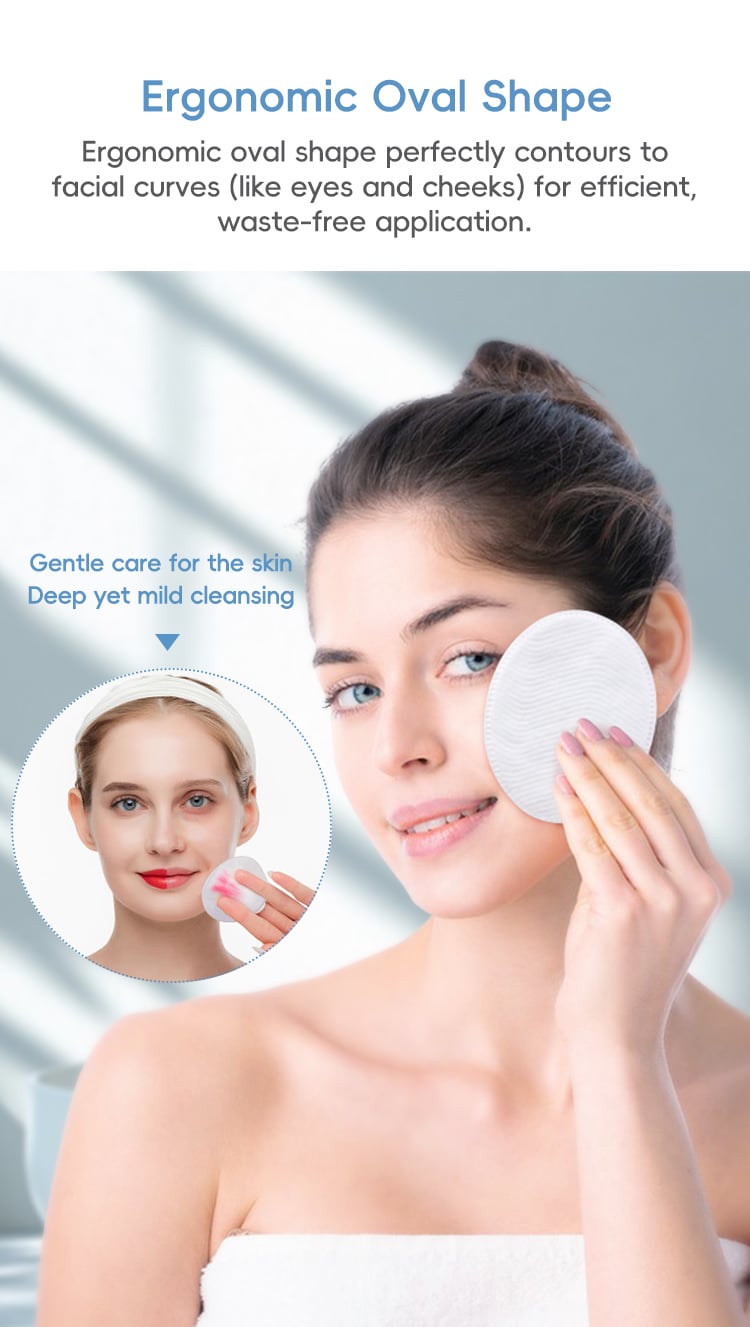
Le fibre più corte nei prodotti di base creano strutture di legame più deboli, che si frammentano facilmente sotto l'azione dell'attrito o dell'esposizione all'umidità. Questa debolezza strutturale si manifesta come residuo di pelucchi sulla superficie della pelle e come disintegrazione prematura della spugna durante la detersione. Le differenze visive e tattili diventano immediatamente evidenti confrontando come i prodotti premium, rispetto a quelli ordinari, mantengono la loro forma e l'integrità superficiale durante l'intero processo di rimozione del trucco.
Il processo di selezione delle fibre per prodotti di qualità prevede sistemi di classificazione rigorosi, che scartano materiali non conformi a specifici parametri di lunghezza e resistenza. Questa selezione mirata aumenta i costi delle materie prime, ma garantisce standard prestazionali costanti, giustificando così il posizionamento premium. I produttori ordinari privilegiano l'efficienza dei costi rispetto alle specifiche delle fibre, con conseguente comportamento imprevedibile del prodotto e esperienze d'uso non uniformi.
Precisione nella produzione e tecniche costruttive
Architettura stratificata e controllo della densità
Premium dischetti di cotone per la rimozione del trucco utilizzano sofisticate tecniche di costruzione multistrato che bilanciano l’assorbenza con la resistenza strutturale. Questi prodotti presentano tipicamente da tre a cinque strati distinti, ciascuno progettato per svolgere funzioni specifiche, tra cui il contatto iniziale con il trucco, la distribuzione del liquido e il rinforzo strutturale. La precisione nella stratificazione garantisce uno spessore uniforme su tutta la superficie del dischetto, eliminando zone deboli che ne compromettono le prestazioni.
I prodotti comuni utilizzano spesso costruzioni monolayer o multistrato con adesione scarsa, prive di differenziazione funzionale tra gli strati. Questa architettura semplificata determina schemi di assorbimento irregolari, saturazione precoce in aree localizzate e capacità insufficiente di rimuovere il trucco. Le scorciatoie produttive diventano evidenti quando dischetti di cotone per la rimozione del trucco di fascia alta e di base vengono sottoposti alle medesime operazioni di detersione in condizioni controllate.
La calibrazione della densità nei prodotti di qualità mantiene un'ottimale distanza tra le fibre, massimizzando il contatto superficiale pur preservando uno spazio vuoto adeguato per la ritenzione del liquido. Questo equilibrio ingegneristico evita una compressione eccessiva, che ridurrebbe l’assorbenza, o una compattazione insufficiente, che genererebbe texture ruvide. Il controllo preciso della densità richiede attrezzature avanzate per la produzione e un monitoraggio accurato del processo, elementi che i produttori economici non possono giustificare dal punto di vista economico.
Finitura dei bordi e coerenza dimensionale
I produttori premium investono in tecnologie specializzate per la sigillatura dei bordi, che prevengono la separazione delle fibre e mantengono la stabilità dimensionale per tutta la durata del prodotto. Queste tecniche di finitura creano perimetri lisci e rinforzati, resistenti all’isolamento anche in presenza di saturazione liquida e sollecitazioni meccaniche. La qualità dei bordi influisce direttamente sull’esperienza dell’utente, eliminando le fibre sciolte irritanti e garantendo caratteristiche prevedibili nella manipolazione della pad.
I dischetti di cotone per la rimozione base del trucco presentano generalmente bordi grezzi o un trattamento minimo dei bordi, che consente la migrazione delle fibre durante l’uso. Questa carenza costruttiva provoca l’accumulo di lanugine sulla pelle e riduce l’area effettivamente utilizzabile di ciascun dischetto. Il divario qualitativo visibile risulta particolarmente evidente negli ambienti bagno, dove le fibre libere provenienti da prodotti comuni generano esigenze continue di manutenzione della pulizia.
La precisione dimensionale dei prodotti premium garantisce spessore, diametro e specifiche di forma costanti su interi lotti di produzione. Questa coerenza produttiva permette agli utenti di sviluppare tecniche di applicazione affidabili e di prevedere con accuratezza le prestazioni del prodotto. Gli equivalenti standard presentano invece una notevole variabilità unità per unità, che mina la fiducia nel comportamento del prodotto e complica l’adozione di modalità d’uso ottimali.
Ingegnerizzazione della texture e trattamento superficiale
Innovazione del design a doppia texture
I dischetti struccanti avanzati incorporano una differenziazione intenzionale della texture tra le due superfici opposte per ottimizzare specifiche funzioni di detersione. Una superficie presenta generalmente fibre ultra-morbide e compatte, ideali per una delicata dissoluzione del trucco e per il contatto con pelli sensibili, mentre la superficie opposta presenta invece motivi leggermente testurizzati che migliorano la rimozione meccanica dei cosmetici più resistenti. Questa specializzazione funzionale massimizza la versatilità all’interno di soluzioni monoprodotto.
I prodotti comuni mantengono una texture uniforme su entrambe le superfici, limitandone l’efficacia su formulazioni di trucco diverse e su aree di applicazione differenti. L’assenza di differenziazione funzionale costringe gli utenti ad applicare una pressione eccessiva o a effettuare più passaggi per ottenere una detersione completa, con il rischio di irritare la delicata pelle del viso. L’ingegnerizzazione premium della texture elimina questi compromessi offrendo superfici progettate appositamente per le diverse fasi della detersione.
I processi di creazione della struttura per i dischetti di cotone di alta qualità per la rimozione del trucco prevedono un orientamento controllato delle fibre e tecniche di trattamento superficiale che preservano l’integrità del materiale, migliorandone al contempo le proprietà funzionali. Questi passaggi produttivi richiedono ulteriore tempo di lavorazione e attrezzature specializzate, con un impatto significativo sui costi di produzione. Le alternative economiche omettono tali rifiniture, offrendo prodotti funzionalmente inferiori nonostante una somiglianza visiva superficiale.
Calibrazione della morbidezza e compatibilità cutanea
I produttori premium effettuano ampi test dermatologici per calibrare il livello di morbidezza superficiale in modo da massimizzare il comfort senza compromettere l’efficacia della pulizia. L’equilibrio ottimale di morbidezza garantisce un contatto delicato con la pelle, prevenendo microlesioni all’epidermide facciale particolarmente sensibile, pur mantenendo una texture sufficiente per catturare efficacemente le particelle di trucco. Tale calibrazione rappresenta un’applicazione sofisticata delle scienze dei materiali, raramente riscontrabile nello sviluppo di prodotti comuni.
I dischetti struccanti di qualità inferiore spesso risultano o eccessivamente ruvidi, causando immediato disagio, oppure così morbidi da non offrire un’adeguata azione meccanica di pulizia. Nessuno dei due estremi garantisce un’esperienza utente ottimale né risultati efficaci per la cura della pelle. L’incoerenza nella morbidezza dei prodotti base deriva dalla selezione non controllata delle fibre e da protocolli minimi di controllo qualità, che consentono ampie variazioni prestazionali tra diversi lotti di produzione.
Le implicazioni a lungo termine sulla salute cutanea delle differenze di morbidezza diventano evidenti con l’uso ripetuto nel corso di settimane e mesi. I prodotti premium preservano l’integrità della barriera cutanea e riducono al minimo l’irritazione cumulativa, che potrebbe accelerare i segni dell’invecchiamento o scatenare reazioni di sensibilità. Le alternative ordinarie possono fornire impressioni iniziali accettabili, ma contribuiscono a sottili risposte infiammatorie che, nel tempo, compromettono l’efficacia complessiva della routine di cura della pelle.
Prestazioni funzionali e capacità di assorbimento
Ritenzione e distribuzione efficiente del liquido
I dischetti di cotone premium per la rimozione del trucco dimostrano una superiore capacità di assorbimento dei liquidi, che consente una detersione efficace con un minimo spreco di prodotto. Le strutture in fibra ingegnerizzate creano estese reti capillari che richiamano rapidamente le soluzioni detergenti in tutto il volume del dischetto, prevenendo al contempo perdite premature o un’imbevizione non uniforme. Questa efficienza assorbente si traduce direttamente in valore economico grazie alla riduzione del consumo di detergente per ogni applicazione.
I prodotti comuni presentano generalmente scarse caratteristiche di distribuzione del liquido, causando un’imbevizione localizzata mentre altre aree del dischetto rimangono relativamente asciutte. Questa inefficienza costringe gli utenti ad applicare una quantità eccessiva di soluzione detergente o a utilizzare più dischetti per ogni sessione, annullando così qualsiasi risparmio iniziale derivante da prezzi d’acquisto inferiori. Il divario prestazionale in termini di assorbimento rappresenta uno dei differenziali economicamente più significativi tra i diversi livelli di qualità.
La capacità di ritenzione dei dischetti di cotone di alta qualità per la rimozione del trucco mantiene un’idratazione adeguata durante sessioni di detersione prolungate, senza richiedere la riapplicazione delle soluzioni detergenti. Queste prestazioni costanti consentono una rimozione completa del trucco in un’unica passata, anziché in applicazioni ripetute che possono irritare la pelle a causa dell’eccessiva frizione. Le alternative economiche perdono efficacia rapidamente, poiché il liquido assorbito fuoriesce dalle strutture fibrose o evapora dall’umidità superficiale insufficientemente trattenuta.
Efficacia nel sollevamento e nel trasferimento del trucco
L’architettura superficiale dei prodotti premium massimizza la cattura delle particelle di trucco grazie a un’ottimizzazione dello spaziamento tra le fibre e delle caratteristiche energetiche della superficie. Questi elementi progettuali garantiscono un trasferimento efficiente dei residui cosmetici dalle superfici cutanee alle fibre del dischetto, con pressione meccanica minima. L’aumentata efficienza di trasferimento riduce i traumi cutanei associati al vigoroso sfregamento necessario quando si utilizzano dischetti di cotone per la rimozione del trucco di qualità inferiore.
I prodotti di base richiedono spesso una pressione applicata significativa e passaggi ripetuti per raggiungere livelli comparabili di rimozione del trucco, in particolare per formulazioni a lunga tenuta o resistenti all’acqua. Questa carenza prestazionale deriva da disposizioni subottimali delle fibre, che non riescono a intrappolare e trattenere efficacemente le particelle di trucco. L’esperienza utente risultante è caratterizzata da un’inefficienza frustrante e da potenziali danni alla pelle causati da un’eccessiva manipolazione meccanica.
I produttori premium eseguono specifici test di validazione delle prestazioni utilizzando formulazioni standardizzate di trucco per quantificare obiettivamente l’efficienza di rimozione. Questi protocolli garantiscono una capacità prodotto costante su diversi tipi di cosmetici e densità di applicazione. Le alternative ordinarie raramente sono sottoposte a test comparabili, con conseguente prestazione imprevedibile che varia notevolmente in funzione dei singoli prodotti cosmetici da rimuovere.
Norme di sicurezza e prevenzione della contaminazione
Protocolli di sterilizzazione e controllo microbico
I dischetti di cotone premium per la rimozione del trucco sono sottoposti a rigorosi processi di sterilizzazione che eliminano contaminazioni batteriche, fungine e di altri microrganismi prima dell’imballaggio. Questi protocolli prevedono generalmente cicli di sterilizzazione convalidati, utilizzando metodi adeguati ai materiali in fibra naturale, senza introdurre residui chimici. L’assicurazione della sicurezza microbiologica diventa particolarmente critica per i prodotti destinati all’applicazione sul viso, dove i rischi di infezione comportano gravi implicazioni per la salute.
I prodotti ordinari potrebbero subire un trattamento di sterilizzazione minimo o addirittura assente, affidandosi invece alla semplice pulizia generale durante la produzione per controllare la contaminazione. Questo approccio lascia una popolazione microbica significativa, che può proliferare durante lo stoccaggio o introdurre direttamente patogeni sulla pelle del viso durante l’uso. La differenza di sicurezza tra dischetti di cotone premium e di base per la rimozione del trucco rappresenta una considerazione sanitaria nascosta, raramente evidente da un’ispezione esterna del prodotto.
L'integrità dell'imballaggio per prodotti di qualità garantisce condizioni sterili dalla produzione fino all'inizio dell'uso da parte del consumatore. I design di imballaggio premium prevedono unità singole sigillate o contenitori richiudibili con barriere contro la contaminazione, che preservano la sicurezza del prodotto per tutta la durata di conservazione. Le alternative economiche spesso presentano imballaggi basilari con sigillature inadeguate, che consentono la contaminazione ambientale durante le fasi di distribuzione e stoccaggio.
Eliminazione dei residui chimici e test per gli allergeni
I produttori premium applicano protocolli completi di analisi chimiche che verificano l'assenza di residui di lavorazione, di residui di pesticidi e di potenziali allergeni prima della messa in commercio del prodotto. Queste validazioni di sicurezza includono saggi specifici per comuni irritanti associati alla produzione tessile, tra cui agenti sbiancanti, composti di appretto e prodotti chimici per finissaggio. L'assenza documentata di tali sostanze fornisce un'assicurazione fondamentale per i consumatori con pelle sensibile o con allergie accertate.
I dischetti struccanti di qualità inferiore contengono spesso livelli rilevabili di sostanze chimiche utilizzate nel processo produttivo, che rimangono intrappolate nella struttura delle fibre a causa di fasi di risciacquo o purificazione insufficienti. Questi composti residui possono scatenare reazioni allergiche, dermatiti da contatto o effetti di sensibilizzazione cumulativa a seguito di esposizioni ripetute. Il divario in termini di sicurezza chimica rappresenta un importante fattore di rischio per la salute, che giustifica un prezzo premium per prodotti verificati come privi di contaminanti.
La documentazione relativa ai test per gli allergeni, fornita insieme ai prodotti di qualità, garantisce trasparenza riguardo ai potenziali agenti scatenanti di reazioni di ipersensibilità e consente decisioni informate da parte di chi presenta già note reattività individuali. Queste informazioni sulla sicurezza accompagnano raramente le alternative comuni, lasciando i consumatori privi dei dati necessari per valutare i propri fattori di rischio personale. La conformità alle normative e le certificazioni volontarie in materia di sicurezza che distinguono le opzioni premium riflettono l’impegno del produttore verso il benessere dell’utente, andando oltre i requisiti legali minimi.
FAQ
Come posso verificare fisicamente la qualità dei dischetti di cotone prima dell'acquisto?
Esaminare i bordi del dischetto per verificare finiture pulite e sigillate, prive di fibre sciolte, e valutare la costanza dello spessore comprimendo delicatamente più dischetti provenienti dallo stesso pacchetto. I dischetti di cotone premium per la rimozione del trucco mantengono una densità uniforme in tutta la superficie e resistono facilmente allo strappo quando vengono tirati delicatamente dai bordi opposti. Controllare la differenza di texture tra le due superfici e verificare che il prodotto risulti morbido al tatto, senza apparire fragile o eccessivamente compresso.
I dischetti di cotone premium per la rimozione del trucco giustificano un costo maggiore per tutti gli utenti?
Le persone con pelle sensibile, chi utilizza prodotti cosmetici costosi o chiunque dia priorità alla salute cutanea a lungo termine trarrà un valore significativo dalle opzioni premium, grazie a una riduzione dell’irritazione e a un miglioramento dell’efficacia dei prodotti. La differenza di costo viene spesso compensata da un minor consumo di detergente e da un numero inferiore di dischetti necessari per ogni utilizzo. Tuttavia, gli utenti con pelle resistente che eseguono una semplice detersione potrebbero trovare i prodotti di fascia media adeguati alle loro specifiche esigenze.
I comuni dischetti di cotone possono danneggiare la pelle nel tempo, nonostante inizialmente risultino piacevoli al tatto?
L'uso ripetuto di dischetti struccanti in cotone di qualità inferiore può causare danni microscopici cumulativi dovuti all'abrasione provocata da fibre ruvide, all'esposizione a residui chimici e a una detersione insufficiente che lascia residui occludenti dei pori. Questi effetti si manifestano gradualmente come aumento della sensibilità, comparsa precoce di segni di invecchiamento o infiammazione cronica di lieve entità. L'impatto a lungo termine sulla salute cutanea giustifica l'investimento in prodotti di qualità, anche quando le differenze immediate appaiono minime durante i primi confronti.
Quali certificazioni devo cercare nella scelta di dischetti struccanti in cotone premium?
Privilegiare i prodotti che riportano certificazioni di cotone biologico, l’approvazione di test dermatologici e la documentazione degli standard di qualità produttiva, come le certificazioni ISO. Le affermazioni relative all’ipallerigenicità devono essere supportate da dati provenienti da test clinici, e non soltanto da dichiarazioni di marketing. I dischetti di cotone premium per la rimozione del trucco forniscono generalmente una dettagliata indicazione della composizione dei materiali e una trasparenza sull’origine geografica, informazioni che i prodotti comuni omettono spesso dall’imballaggio e dalla documentazione.

