 EN
EN

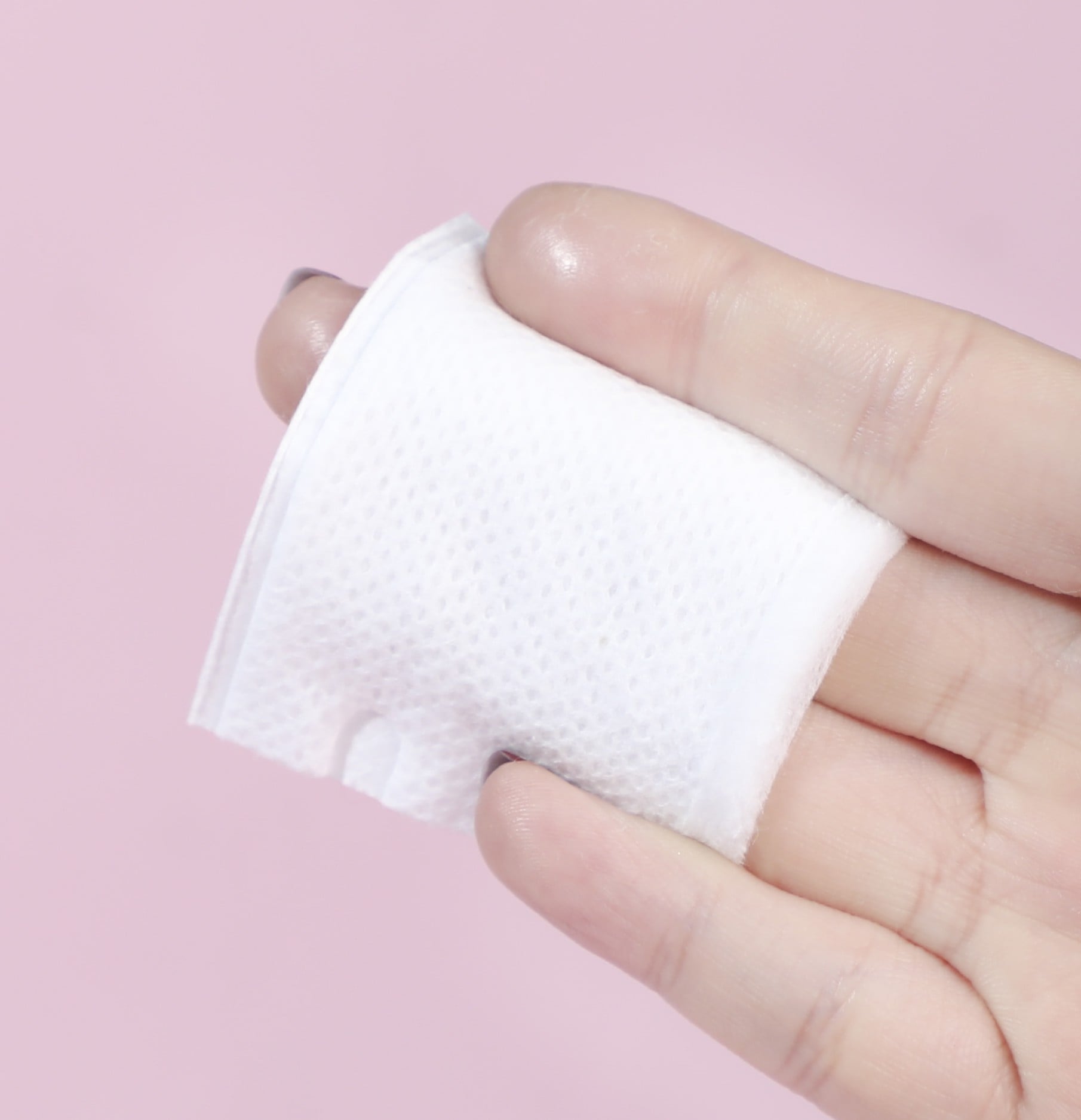
Sourcing high-quality textiles requires more than just checking price lists and delivery timelines. When you need oeko-tex certified cotton fabric for your manufacturing operations, verification becomes a critical step in your supply chain quality assurance process. Many buyers struggle to distinguish authentic oeko-tex certified cotton fabric from untested alternatives, risking product recalls, brand damage, and regulatory violations. Understanding how to properly verify oeko-tex certified cotton fabric ensures that your supply chain meets international standards and customer expectations for safety and sustainability.
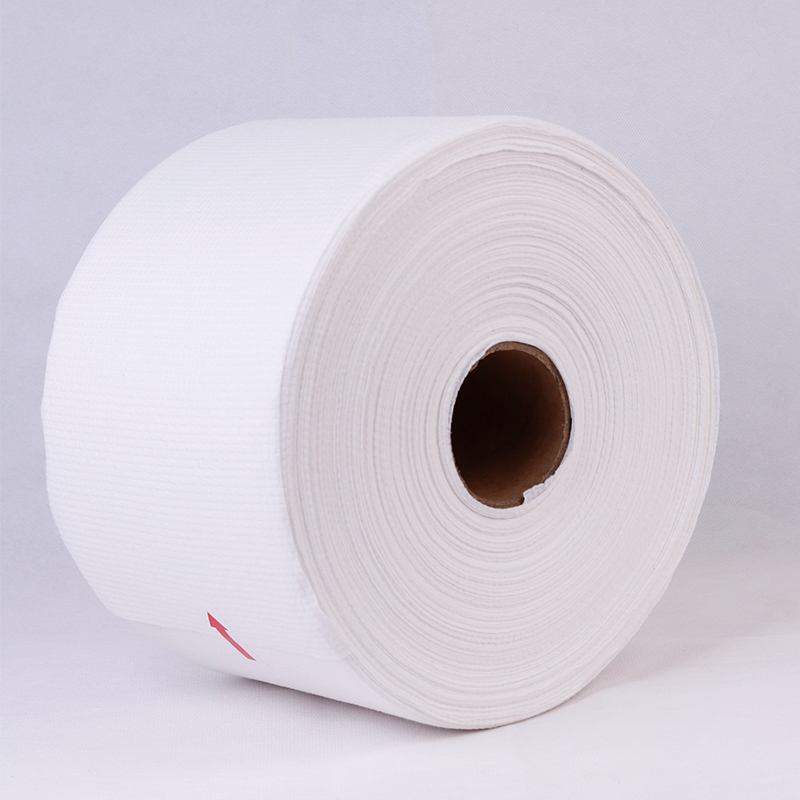
The certification landscape for textile products has become increasingly complex, with multiple standards competing for market recognition. OEKO-TEX certification stands out as one of the most rigorous and globally respected textile safety standards. When you encounter oeko-tex certified cotton fabric in the marketplace, you need practical verification methods that go beyond supplier claims. This guide walks you through the complete verification process, helping you build confidence in your sourcing decisions and protecting your brand reputation.
Understanding OEKO-TEX Standard 100 and Documentation Requirements
What Makes OEKO-TEX Certification Different
OEKO-TEX certification represents a comprehensive safety standard that tests textiles for harmful substances at every production stage. Unlike generic quality marks, oeko-tex certified cotton fabric undergoes independent laboratory testing for over 300 chemical parameters. The standard covers everything from pesticide residues and heavy metals to formaldehyde levels and pH balance. When sourcing oeko-tex certified cotton fabric, you are purchasing textile products that have been validated against stringent toxicological criteria rather than relying on supplier self-certification alone.
The Role of Official Documentation in Verification
Every legitimate oeko-tex certified cotton fabric comes with an official OEKO-TEX certificate document issued by an accredited testing institute. This certificate displays a unique identification number, testing date, certification validity period, and the specific product batch or product class covered. When you receive oeko-tex certified cotton fabric from a supplier, requesting the original certificate is your first verification step. The certificate number itself can be cross-referenced through the official OEKO-TEX database to confirm authenticity, making this a simple yet powerful verification mechanism that separates genuine oeko-tex certified cotton fabric from counterfeit or misleading claims.
Step-by-Step Verification Process for OEKO-TEX Certified Cotton Fabric
Cross-Referencing Certificate Numbers in the Official Database
The OEKO-TEX International Association maintains an online database where every issued certificate for oeko-tex certified cotton fabric can be searched and verified. Navigate to the official OEKO-TEX website and locate their certificate search tool. Enter the certificate number provided by your supplier, and the database will return detailed information about the tested product, testing date, expiration date, and the laboratory that performed the testing. If the oeko-tex certified cotton fabric certificate number does not appear in the database or if the information does not match your supplier's claims, this is an immediate red flag indicating either fraudulent certification or supplier error. This verification step takes minutes and provides concrete evidence of authenticity.
Validating Testing Laboratory Credentials
OEKO-TEX certification must be issued by laboratories that are part of the official OEKO-TEX association network. When reviewing oeko-tex certified cotton fabric documentation, verify that the testing laboratory name appears on the list of accredited OEKO-TEX institutes. Independent or unaffiliated laboratories cannot legitimately issue OEKO-TEX certificates. Fraudulent oeko-tex certified cotton fabric often comes from testing facilities that use similar-sounding names or have modified logos to appear official. Contact the laboratory directly to confirm that they issue OEKO-TEX certifications and that the specific certificate for your oeko-tex certified cotton fabric batch is valid. This additional confirmation prevents costly supply chain mistakes.
Checking Certificate Validity Dates and Product Specifications
OEKO-TEX certificates for certified cotton fabric remain valid for a specific period, typically three years from the testing date. Verify that your oeko-tex certified cotton fabric certificate has not expired and that the validity window covers your intended use period. The certificate should also specify whether it applies to finished products, yarns, or raw materials, ensuring that the tested item matches your actual supply needs. If you are sourcing oeko-tex certified cotton fabric for baby clothing applications, the certificate must explicitly indicate Product Class I approval, as different oeko-tex certified cotton fabric product classes have different testing requirements. This detailed verification prevents procurement errors where the certification technically exists but does not match your application needs.
Evaluating Supplier Practices and Documentation Handling
Assessing Supplier Knowledge and Transparency
Legitimate suppliers of oeko-tex certified cotton fabric can articulate the specific testing protocols, chemical parameters tested, and product class classification that applies to their materials. When you request information about their oeko-tex certified cotton fabric, responsive suppliers provide detailed documentation without hesitation and can explain why their fabric meets the standard. Suppliers who are vague, dismiss questions, or claim that oeko-tex certified cotton fabric information is proprietary are typically not prioritizing certification integrity. Your supplier should proactively maintain current oeko-tex certified cotton fabric certificates, update their documentation as certifications renew, and be willing to provide samples with proper documentation for independent verification if needed.
Requesting Sample Testing and Batch-Specific Documentation
For large-volume purchases of oeko-tex certified cotton fabric, requesting sample testing or batch-specific certification adds another layer of assurance. Some textile suppliers provide generic oeko-tex certified cotton fabric certificates that may not reflect every batch produced, creating compliance gaps. Ask your supplier whether each batch of oeko-tex certified cotton fabric receives its own testing documentation or whether production follows a control system that validates ongoing compliance. Reputable suppliers often invest in continuous testing programs that verify oeko-tex certified cotton fabric consistency across multiple batches. This practice-level insight helps you distinguish between suppliers who view certification as a one-time checkbox and those who embed it into their quality management systems.
Common Verification Mistakes and Red Flags in OEKO-TEX Certified Cotton Fabric Sourcing
Identifying Fake Certificates and Marketing Misrepresentations
Fraudulent oeko-tex certified cotton fabric certificates often contain spelling errors, misaligned logos, or laboratory names that do not match official OEKO-TEX institute listings. Some suppliers display certificates that are decades old or certificates intended for other products, banking on buyer inattention. If a supplier cannot produce the actual PDF certificate or consistently delays documentation requests, this suggests they are selling oeko-tex certified cotton fabric that lacks legitimate certification. Marketing language such as 'OEKO-TEX approved' or 'meets OEKO-TEX standards' without displaying an actual certificate number is also misleading, as oeko-tex certified cotton fabric requires official documentation, not vague compliance claims.
Price-Based Suspicion and Market Context
Oeko-tex certified cotton fabric typically commands a premium over uncertified alternatives due to testing costs and compliance overhead. If a supplier offers oeko-tex certified cotton fabric at prices significantly below competitors while maintaining identical specifications and large order minimums, investigate further before committing to purchase. The testing and certification infrastructure that legitimizes oeko-tex certified cotton fabric creates inherent cost barriers that are reflected in fair market pricing. This does not mean oeko-tex certified cotton fabric is always the most expensive option, but dramatic price outliers warrant verification conversations. Cross-reference your supplier's pricing with industry benchmarks and established distributors to ensure you are not purchasing oeko-tex certified cotton fabric that has been misrepresented to justify cost-cutting measures.
FAQ
How long is an OEKO-TEX certificate for cotton fabric valid?
OEKO-TEX certificates for cotton fabric typically remain valid for three years from the date of testing. After the expiration date, suppliers must retest their oeko-tex certified cotton fabric to maintain active certification status. When sourcing, always verify that the certificate validity window extends beyond your supply contract period to avoid receiving expired oeko-tex certified cotton fabric. Some suppliers renew their oeko-tex certified cotton fabric certification well before expiration to ensure uninterrupted compliance, while others may allow certificates to lapse if they discontinue certain product lines.
Can I verify OEKO-TEX certification online independently?
Yes, the official OEKO-TEX website provides a public certificate search database where you can verify any oeko-tex certified cotton fabric certificate number independently. Enter the certificate number from your supplier's documentation into the search tool, and the system returns detailed information including testing date, laboratory name, product category, and validity status. This independent verification takes only minutes and requires no special access or account creation. If a certificate number does not appear in the database or returns inconsistent information, this is a reliable indicator that the oeko-tex certified cotton fabric may not be genuinely certified.
What should I do if my supplier cannot provide a valid OEKO-TEX certificate?
If your supplier claims to offer oeko-tex certified cotton fabric but cannot produce a valid certificate or the certificate fails database verification, you have several options. Request that the supplier provide the certificate or acknowledge that the oeko-tex certified cotton fabric lacks certification, at which point you can renegotiate pricing and specifications. If certification is essential for your application, consider sourcing from alternative suppliers with documented compliance. Some suppliers may be willing to arrange testing through an accredited OEKO-TEX laboratory if they genuinely believe their oeko-tex certified cotton fabric meets standards but lack current documentation, though this requires time and additional testing investment.

