 EN
EN


Mengapa klinik lebih memilih aplikator kapas bergagang kayu berbanding plastik?
Kemudahan kesihatan di seluruh dunia menghadapi keputusan kritikal apabila memilih bekalan perubatan yang secara langsung memberi kesan kepada kualiti penjagaan pesakit dan kecekapan prosedur. Antara barangan penting ini, aplikator hujung kapas perubatan merupakan salah satu instrumen pakai buang yang paling kerap digunakan dalam pelbagai aplikasi klinikal. Pemilihan antara varian batang kayu dan plastik telah menjadi semakin penting apabila klinik menilai pelbagai faktor, daripada kelestarian alam sekitar hingga ciri pengendalian yang tepat. Memahami perbezaan halus antara bahan-bahan ini membantu profesional kesihatan membuat keputusan pembelian yang bijak yang selaras dengan keperluan klinikal khusus dan keutamaan institusi mereka.
Kandungan Bahan dan Piawaian Pengeluaran
Ciri-ciri Pembinaan Batang Kayu
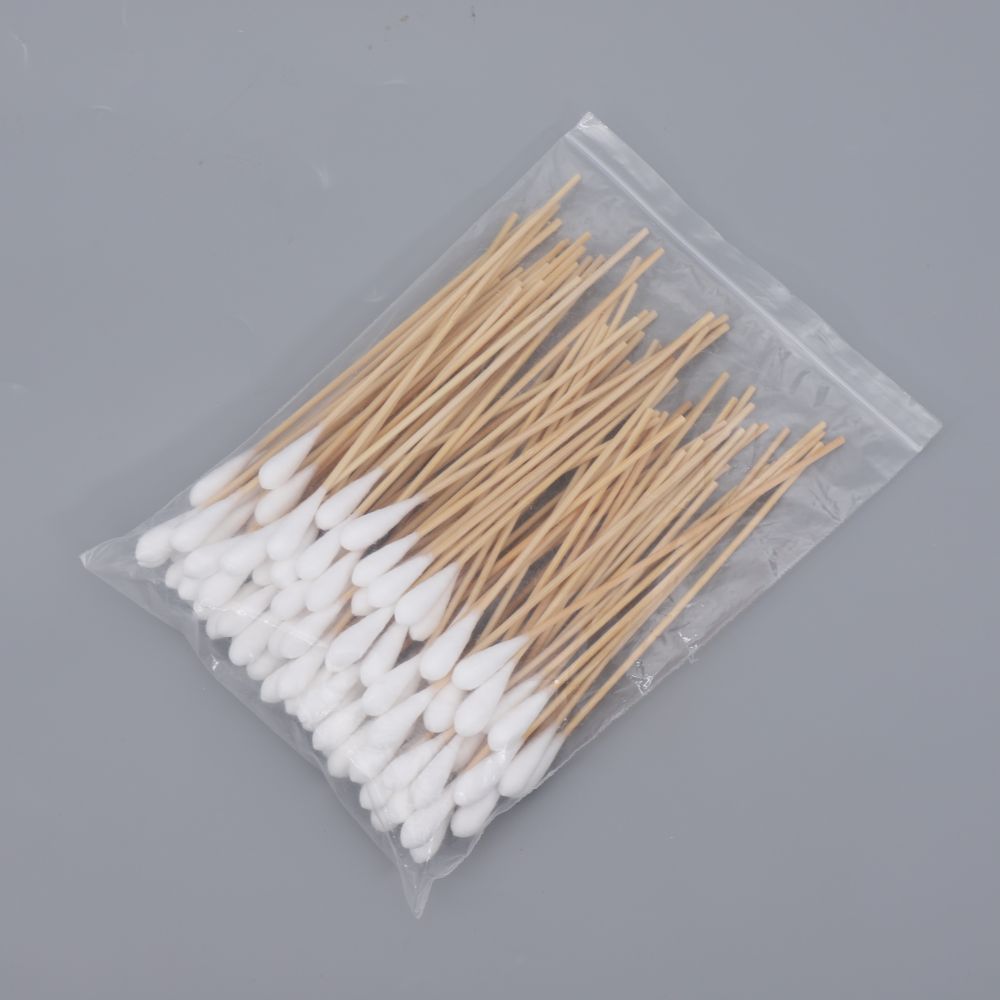
Aplikator Batang Kayu kebanyakannya diperbuat daripada kayu birch atau buluh berkualiti tinggi yang melalui proses pensterilan yang ketat. Struktur gentian semula jadi memberikan sifat antimikrob secara semula jadi sambil mengekalkan kestabilan dimensi dalam pelbagai keadaan suhu dan kelembapan. Piawaian pengeluaran menghendaki batang kayu memenuhi keperluan ketumpatan tertentu, memastikan prestasi yang konsisten merentasi pengeluaran kelompok yang berbeza. Kemasan permukaan aplikator kayu berkualiti ciri-ciri pembinaan yang licin dan bebas serpihan, yang mencegah pencemaran gentian semasa prosedur sensitif.
Langkah kawalan kualiti untuk pengeluaran batang kayu termasuk ujian kandungan kelembapan, pengesahan kekuatan, dan pemeriksaan integriti permukaan. Proses-proses ini memastikan setiap aplikator mengekalkan integriti struktur apabila terdedah kepada pelbagai larutan perubatan dan agen pembersih. Keporosan semula jadi kayu memberikan kelenturan sedikit yang banyak dihargai oleh klinikal untuk tugas manipulasi tisu yang halus. Selain itu, batang kayu boleh dikilangkan dalam pelbagai diameter dan panjang untuk memenuhi keperluan prosedur tertentu tanpa mengorbankan sifat bahan.
Spesifikasi Kejuruteraan Batang Plastik
Aplikator batang plastik menggunakan bahan polipropilena atau polietilena gred perubatan yang menawarkan rintangan kimia dan kestabilan dimensi yang unggul. Proses pengacuan suntikan membolehkan kawalan diameter yang tepat dan ketebalan dinding yang seragam sepanjang panjang batang. Binaan plastik memberikan rintangan yang sangat baik terhadap desinfektan biasa, larutan alkohol, dan bahan kimia perubatan lain tanpa penguraian atau perubahan struktur. Ciri-ciri permukaan tidak berliang pada plastik menghapuskan laluan pencemaran yang mungkin wujud dengan bahan semula jadi.
Formulasi plastik maju menggabungkan bahan tambahan yang meningkatkan kelenturan sambil mengekalkan rintangan terhadap pecah di bawah keadaan pengendalian biasa. Proses pembuatan membolehkan pilihan pengekodan warna untuk saiz aplikator yang berbeza atau aplikasi yang dimaksudkan, meningkatkan pengurusan inventori dan mengurangkan kesilapan pemilihan. Batang plastik menunjukkan konsistensi yang lebih baik dari kelompok ke kelompok berbanding bahan semula jadi, kerana pengeluaran sintetik menghapuskan pembolehubah yang berkaitan dengan penuaian dan pemprosesan bahan organik. Protokol jaminan kualiti bagi aplikator plastik memberi tumpuan kepada pengesahan komposisi kimia, ketepatan dimensi, dan ujian kehalusan permukaan.
Prestasi Klinikal dan Ciri Pengendalian
Ketepatan dan Kawalan Semasa Prosedur
Profesional penjagaan kesihatan secara konsisten melaporkan bahawa aplikator kapas perubatan berhujung kayu memberikan maklum balas sentuhan yang lebih unggul semasa prosedur presisi. Tekstur bahan semula jadi membolehkan kawalan pegangan yang ditingkatkan, terutamanya apabila memakai sarung tangan perubatan yang boleh mengurangkan kepekaan. Batang kayu menawarkan kelenturan sedikit yang membolehkan pelarasan tekanan halus tanpa menggadaikan integriti struktur, menjadikannya sesuai untuk aplikasi yang memerlukan sentuhan tisu yang lembut. Ciri ini terbukti sangat berharga semasa pembersihan luka, pengumpulan spesimen, dan aplikasi ubat topikal di mana kawalan tepat mencegah trauma tisu.
Aplikator batang plastik unggul dalam prosedur yang memerlukan penentuan kedudukan tegar dan aplikasi tekanan yang konsisten. Sifat permukaan seragam memberikan ciri pengendalian yang boleh diramal dan kekal malar sepanjang sesi penggunaan yang panjang. Pakar klinik yang bekerja dalam persekitaran berkelantangan tinggi kerap kali lebih menggemari varian plastik kerana prestasinya yang konsisten dan kurangnya variasi antara aplikator individu. Permukaan licin batang plastik memudahkan pembersihan dan mengurangkan kemungkinan lekatan kontaminasi semasa prosedur berbilang langkah.
Penyerapan dan Pengurusan Cecair
Kualiti pelekat hujung kapas berbeza ketara antara aplikator batang kayu dan plastik, menjejaskan keupayaan penyerapan dan penahanan cecair. Batang kayu kerap menunjukkan lekatan kapas yang lebih unggul disebabkan oleh ciri-ciri ikatan gentian semula jadi, menghasilkan pelekatan hujung yang lebih kukuh dan tahan terhadap pengelupasan semasa digunakan secara kuat. Lekatan yang ditingkatkan ini terbukti sangat berguna apabila digunakan dengan larutan likat atau apabila tekanan besar digunakan semasa prosedur pembersihan. Keporosan sedikit pada batang kayu boleh memberikan kapasiti penyerapan tambahan yang minima dalam aplikasi tertentu.
Pembinaan aci plastik menawarkan kelebihan dalam aplikasi yang memerlukan keserasian kimia dan rintangan bendalir. Permukaan bukan reaktif mencegah interaksi dengan sebatian farmaseutikal, memastikan aplikasi ubat tidak tercemar oleh interaksi bahan aci. Aplikator plastik mengekalkan prestasi yang konsisten apabila terdedah kepada pelbagai aras pH dan komposisi kimia, menjadikannya sesuai untuk aplikasi makmal dan diagnostik khusus. Sifat kedap plastik mencegah pergerakan bendalir sepanjang aci, mengekalkan piawaian kebersihan dalam prosedur sensitif.
Kesan Alam Sekitar dan Pertimbangan Kelestarian
Kebolehbiosesapan dan Amalan Pelupusan
Kesustentaraan alam sekitar telah menjadi semakin penting dalam pengurusan kemudahan penjagaan kesihatan, mempengaruhi keputusan pemilihan bekalan perubatan. Aplikator batang kayu menawarkan ciri-kali biodegradabiliti yang lebih unggul, mereput secara semula jadi dalam tempoh piawaian kompos apabila dipisahkan daripada hujung kapas sintetik. Kemudahan penjagaan kesihatan yang melaksanakan inisiatif mesra alam biasanya menggemari varian kayu untuk mengurangkan kesan jangka panjang terhadap alam sekitar sambil mengekalkan keberkesanan klinikal. Sifat sumber kayu yang boleh diperbaharui menyokong amalan perolehan mampan yang selaras dengan matlamat alam sekitar institusi.
Protokol pelupusan yang betul untuk aplikator kayu biasanya melibatkan aliran sisa perubatan piawai, di mana bahan batang organik tidak menimbulkan kebimbangan alam sekitar yang ketara. Walau bagaimanapun, kemudahan perlu mempertimbangkan bahawa aplikator kayu yang tercemar memerlukan rawatan biohazad yang sama seperti varian plastik apabila terdedah kepada bahan berjangkit. Jejak karbon yang dikaitkan dengan pengeluaran aplikator kayu secara amnya kekal lebih rendah daripada alternatif plastik, terutamanya jika diperoleh daripada operasi perhutanan yang diurus secara mampan. Penilaian impak alam sekitar semakin menggemari bahan semula jadi untuk produk perubatan pakai buang di mana prestasi klinikal kekal setara.
Analisis Kitar Hidup dan Penggunaan Sumber
Analisis kitar hidup menyeluruh menunjukkan bahawa pengeluaran batang kayu memerlukan input tenaga yang jauh lebih rendah berbanding proses pembuatan plastik. Penuaian, pemprosesan, dan pensterilan bahan kayu menghasilkan pelepasan gas rumah hijau yang lebih rendah sambil memberikan fungsi klinikal yang setara. Kajian pemanfaatan sumber menunjukkan bahawa aplikator kayu boleh dihasilkan menggunakan bahan sisa pertanian, seterusnya mengurangkan kesan alam sekitar melalui pemanfaatan biomasa yang cekap. Kemudahan pengilangan yang menghasilkan aplikator kayu biasanya melaporkan penggunaan tenaga keseluruhan yang lebih rendah dan keperluan pemprosesan kimia yang dikurangkan.
Pengeluaran aci plastik melibatkan bahan mentah berasaskan petroleum dan proses pembuatan yang memerlukan tenaga tinggi, yang menyumbang kepada kos alam sekitar yang lebih tinggi. Namun begitu, aplikator plastik menawarkan kelebihan dari segi kualiti yang konsisten dan kurang sisa bahan semasa pengeluaran disebabkan oleh had toleransi pembuatan yang tepat. Ketahanan dan rintangan kimia aci plastik mungkin mengurangkan kadar kegagalan produk, secara potensinya mengimbangi sebahagian kos alam sekitar melalui kebolehpercayaan yang ditingkatkan. Fasiliti penjagaan kesihatan perlu menyeimbangkan pertimbangan alam sekitar dengan keperluan klinikal dan keberkesanan kos apabila memilih antara pilihan bahan.
Analisis Kos dan Faktor Ekonomi
Kos Perolehan Awal
Pertimbangan ekonomi memainkan peranan penting dalam pengurusan rantaian bekalan penjagaan kesihatan, dengan pemilihan aplikator memberi kesan besar terhadap belanjawan operasi. Aplikator berbatang kayu biasanya menawarkan kelebihan dari segi kos pada perolehan awal, dengan kos bahan mentah yang kekal relatif stabil disebabkan ketersediaan sumber yang boleh diperbaharui. Perjanjian pembelian volum untuk varian kayu kerap kali memberi peluang penjimatan tambahan, terutamanya bagi kemudahan dengan isipadu penggunaan yang tinggi. Kesederhanaan proses pembuatan aplikator kayu menyumbang kepada penetapan harga yang kompetitif sambil mengekalkan piawaian kualiti yang diperlukan untuk aplikasi perubatan.
Aplikator batang plastik secara umum mempunyai harga premium disebabkan kos bahan dan kerumitan pengeluaran, walaupun pembelian dalam kuantiti besar boleh mengurangkan perbelanjaan seunit. Kualiti yang konsisten dan kebolehubahan yang rendah pada produk plastik mungkin dapat menjustifikasi kos awal yang lebih tinggi melalui peningkatan kecekapan prosedur dan pengurangan sisa. Analisis kos perlu mengambil kira keseluruhan nilai yang ditawarkan, termasuk kebolehpercayaan prestasi, keperluan penyimpanan, dan kemungkinan komplikasi prosedur yang boleh berlaku akibat kegagalan atau ketidakkonsistenan bahan.
Nilai Jangka Panjang dan Kecekapan Operasi
Penilaian nilai jangka panjang melampaui harga pembelian awal untuk merangkumi kos penyimpanan, pengurusan inventori, dan faktor kecekapan klinikal. Aplikator kayu biasanya memerlukan keadaan penyimpanan piawai tetapi mungkin sensitif terhadap perubahan kelembapan yang melampau yang boleh menjejaskan integriti batang. Amalan pusingan inventori perlu mengambil kira ciri bahan semula jadi sambil memastikan kualiti produk yang konsisten sepanjang tempoh penyimpanan. Kos kehilangan produk yang berpotensi akibat faktor persekitaran harus dipertimbangkan dalam analisis kos menyeluruh.
Aplikator plastik menawarkan kestabilan penyimpanan yang lebih baik dan jangka hayat yang lebih panjang, yang berpotensi mengurangkan kos perputaran inventori dan pembaziran akibat produk luput. Konsistensi varian plastik mungkin membawa kepada peningkatan kecekapan prosedur melalui ciri pengendalian yang boleh diramalkan serta masa penyesuaian klinikal yang lebih singkat. Fasiliti penjagaan kesihatan harus menilai jumlah kos pemilikan, termasuk kos tersembunyi yang berkaitan dengan kepelbagaian produk, keperluan penyimpanan, dan perbezaan prestasi klinikal yang memberi impak terhadap kecekapan operasi secara keseluruhan.
Standard Kualiti dan Pematuhan Peraturan
Keperluan Pengkelasan Peranti Perubatan
Aplikator kapas perubatan mesti mematuhi keperluan peraturan yang ketat tanpa mengira komposisi bahan batang, untuk memastikan keselamatan pesakit dan keberkesanan klinikal. Produk berbatang kayu memerlukan pematuhan terhadap piawaian keserasian biologi yang menangani risiko tindak balas alahan serta kebimbangan berkaitan keserasian tisu. Proses pengilangan mesti menunjukkan keberkesanan pensterilan yang konsisten sambil mengekalkan integriti struktur sepanjang tempoh hayat simpanan yang diperlukan. Sistem pengurusan kualiti mesti menangani variabiliti semula jadi bahan-bahan semula jadi sambil memastikan kekonsistenan dari keluaran satu pukal ke pukal seterusnya memenuhi piawaian peranti perubatan.
Aplikator batang plastik mendapat manfaat daripada sifat terkawal bahan sintetik, memudahkan pematuhan terhadap keperluan dimensi dan komposisi kimia. Proses pengeluaran membolehkan kawalan tepat ke atas ciri-ciri produk, menyenangkan protokol jaminan kualiti dan dokumentasi peraturan. Ujian pelarutan kimia dan penilaian keserasian biologi berfokus kepada interaksi bahan sintetik dengan sistem biologi dan sebatian farmaseutikal. Penghantaran peraturan untuk varian plastik biasanya menekankan konsistensi dan kebolehramalan dalam ciri prestasi.
Pensterilan dan Kawalan Pencemaran
Keberkesanan pensterilan berbeza antara bahan batang kayu dan plastik, memerlukan pendekatan pengesahan yang berbeza untuk memastikan kawalan pencemaran yang mencukupi. Aplikator kayu mungkin memerlukan parameter pensterilan yang diubahsuai untuk menampung struktur bahan organik sambil mencapai tahap jaminan steriliti yang diperlukan. Sifat berliang pada kayu menuntut pengesahan menyeluruh terhadap penembusan agen pensterilan dan penyingkiran baki kimia. Ujian kawalan kualiti mesti mengesahkan bahawa proses pensterilan tidak merosakkan integriti batang atau memperkenalkan sisa kimia yang berbahaya.
Kelebihan pensterilan batang plastik daripada struktur bahan yang tidak poros memudahkan taburan seragam agen pembersihan dan penghapusan kimia yang boleh diramal. Kaedah pensterilan seperti sinaran gamma dan gas etilena oksida menunjukkan keserasian yang sangat baik dengan bahan plastik sambil mengekalkan integriti produk. Rintangan kimia bahan plastik membolehkan protokol pensterilan yang lebih agresif apabila diperlukan untuk aplikasi khusus. Kajian pengesahan biasanya menunjukkan keputusan yang lebih konsisten dengan bahan plastik disebabkan oleh kurangnya variabiliti dalam sifat bahan dan interaksi agen pembersihan.
Aplikasi Klinikal dan Penggunaan Khusus
Aplikasi Diagnostik dan Makmal
Persekitaran makmal kerap memerlukan ciri prestasi khusus daripada aplikator kapas berhujung medis, yang mempengaruhi keputusan pemilihan bahan. Aplikator berbatang kayu unggul dalam aplikasi yang memerlukan kawalan pegangan dan maklum balas taktil yang lebih baik, seperti prosedur pengumpulan spesimen tepat dan penyediaan sampel. Sifat semula jadi bahan tersebut memberikan kestabilan semasa tugas manipulasi panjang sambil mengekalkan keselesaan bagi kakitangan makmal. Keserasian dengan pelbagai larutan pewarna dan reagen menjadikan aplikator kayu sesuai untuk aplikasi histologi dan mikrobiologi di mana interaksi kimia perlu diminimumkan.
Varian batang plastik menunjukkan prestasi unggul dalam sistem makmal automatik dan persekitaran pemprosesan aliran tinggi. Sifat dimensi yang konsisten membolehkan prestasi boleh dipercayai dalam sistem pengendalian mekanikal dan aplikasi robotik. Kedataran kimia memastikan aplikator plastik tidak mengganggu prosedur analitikal sensitif atau memperkenalkan pencemaran yang boleh menjejaskan keputusan ujian. Sifat permukaan yang seragam memudahkan prosedur pembersihan dan penyahcucian yang diperlukan dalam persekitaran makmal khusus.
Prosedur Pembedahan dan Penjagaan Luka
Aplikasi pembedahan memerlukan ketepatan dan kebolehpercayaan yang luar biasa daripada aplikator kapas bercucuk perubatan, dengan pemilihan bahan yang memberi kesan terhadap hasil prosedur. Aplikator berbatang kayu memberikan deria taktil yang lebih baik yang membolehkan ahli pembedahan mengesan rintangan tisu dan menyesuaikan tekanan dengan sewajarnya. Kelenturan sedikit bahan kayu membolehkan navigasi tepat di sekitar struktur anatomi yang halus tanpa menyebabkan trauma tisu. Ciri kebolehsesuaian biologi aplikator kayu berkualiti tinggi menyokong penggunaannya dalam aplikasi sentuhan langsung dengan tisu tanpa reaksi buruk.
Aplikator batang plastik menawarkan kelebihan dalam persekitaran pembedahan yang memerlukan keserasian kimia dan kestabilan dimensi. Binaan yang tegar memberikan penempatan konsisten untuk aplikasi ubat yang tepat dan prosedur pengaliran luka. Rintangan terhadap larutan persediaan pembedahan dan disinfektan memastikan prestasi aplikator kekal malar sepanjang prosedur yang panjang. Permukaan licin mengurangkan geseran semasa sentuhan tisu, meminimumkan ketidakselesaan pesakit dan kerengsaan tisu semasa aplikasi sensitif.
Pengurusan Penyimpanan dan Inventori
Keperluan Penyimpanan Persekitaran
Keadaan penyimpanan yang sesuai memberi kesan besar terhadap prestasi dan jangka hayat aplikator kapas bercucuk perubatan, dengan komposisi bahan menentukan keperluan persekitaran tertentu. Produk berbatang kayu memerlukan persekitaran kelembapan terkawal untuk mengelakkan pengembangan, pengecutan bahan, atau pertumbuhan kulat yang berkemungkinan semasa tempoh penyimpanan yang panjang. Kestabilan suhu mengekalkan kestabilan dimensi sambil mencegah penghanyiran resin atau perubahan permukaan yang boleh mempengaruhi ciri pemegangan. Kemudahan penyimpanan mesti melaksanakan sistem pemantauan untuk memastikan keadaan persekitaran kekal dalam parameter yang ditetapkan sepanjang kitar hayat produk.
Aplikator batang plastik menunjukkan rintangan persekitaran yang lebih baik, mengekalkan sifat-sifat konsisten dalam julat suhu dan kelembapan yang lebih luas. Komposisi bahan sintetik menghapuskan kebimbangan mengenai penguraian organik atau pencemaran semasa penyimpanan sambil memudahkan protokol pengurusan inventori. Kepekaan yang berkurangan terhadap variasi persekitaran membolehkan susunan penyimpanan yang lebih fleksibel dan tempoh hayat simpan yang lebih panjang. Walau bagaimanapun, pendedahan suhu ekstrem boleh mempengaruhi sifat bahan plastik, memerlukan pertimbangan dalam pemilihan lokasi penyimpanan dan sistem kawalan iklim.
Putaran Inventori dan Pengurusan Tempoh Hayat Simpan
Protokol pengurusan inventori yang berkesan perlu mengambil kira ciri-ciri spesifik bahan yang mempengaruhi jangka hayat produk dan keperluan putaran. Aplikator kayu biasanya memerlukan putaran masuk dahulu, keluar dahulu untuk meminimumkan penurunan kualiti berkaitan umur serta memastikan ciri prestasi yang optimum. Protokol pemeriksaan visual harus mengenal pasti tanda-tanda kemerosotan bahan, perubahan permukaan, atau pencemaran yang boleh merosakkan keberkesanan klinikal. Sistem inventori mesti menjejaki sejarah pendedahan persekitaran dan melaksanakan prosedur pengesahan kualiti yang sesuai sebelum digunakan secara klinikal.
Produk batang plastik secara umum menawarkan jangka hayat simpan yang lebih panjang dan mengurangkan kerumitan putaran disebabkan oleh kestabilan bahan dan rintangan terhadap faktor persekitaran. Sistem pengurusan inventori boleh memberi tumpuan kepada pengoptimuman kos berbanding kebimbangan kualiti berkaitan usia, yang berpotensi menyederhanakan operasi perolehan dan penyimpanan. Walau bagaimanapun, kemudahan masih perlu melaksanakan protokol pemeriksaan yang sesuai untuk mengenal pasti kerosakan pembungkusan atau pencemaran yang boleh merosakkan integriti produk. Kekonsistenan bahan plastik membolehkan perancangan inventori yang lebih boleh diramal dan mengurangkan sisa yang berkaitan dengan tamat tempoh produk.
Soalan Lazim
Apakah perbezaan utama antara aplikator kapas perubatan batang kayu dan plastik?
Perbezaan utama melibatkan sifat bahan, kesan terhadap alam sekitar, dan ciri prestasi klinikal. Batang kayu memberikan maklum balas sentuhan yang lebih baik dan boleh terurai secara biologi tetapi mungkin menunjukkan sedikit kepelbagaian antara unit. Batang plastik menawarkan rintangan kimia yang lebih unggul, kestabilan dimensi, dan jangka hayat simpanan yang lebih panjang walaupun memerlukan proses pembuatan yang menggunakan lebih banyak tenaga. Kedua-dua bahan memenuhi piawaian peranti perubatan apabila dibuat dan disterilkan dengan betul.
Bahan manakah yang lebih mampan dari segi alam sekitar untuk kemudahan penjagaan kesihatan?
Aplikator berbatang kayu secara umum menunjukkan kelestarian alam yang lebih baik melalui pemanfaatan sumber yang boleh diperbaharui, kemudahan terurai secara biologi, dan keperluan tenaga pengilangan yang lebih rendah. Ciri-ciri penguraian semula yang semula jadi mengurangkan kesan jangka panjang terhadap alam sekitar apabila dibuang dengan betul melalui saluran sisa perubatan. Namun begitu, varian plastik mungkin mengimbangi sebahagian kos alam sekitar melalui konsistensi yang lebih baik dan kadar kegagalan produk yang lebih rendah, memerlukan analisis kitaran hayat yang menyeluruh untuk perbandingan yang tepat.
Adakah batang kayu atau plastik memberikan prestasi klinikal yang lebih baik?
Prestasi klinikal bergantung kepada keperluan aplikasi khusus dan keutamaan pengamal. Batang kayu unggul dalam prosedur yang memerlukan maklum balas sentuhan yang dipertingkatkan dan kawalan tekanan yang fleksibel, manakala varian plastik memberikan kekonsistenan dan keserasian kimia yang lebih baik. Kedua-dua bahan menawarkan prestasi yang mencukupi untuk aplikasi perubatan biasa, dengan pemilihan biasanya berdasarkan keperluan prosedur, pertimbangan alam sekitar, dan faktor kos berbanding perbezaan kesan klinikal asas.
Bagaimanakah perbezaan keperluan penyimpanan antara aplikator batang kayu dan plastik?
Aplikator batang kayu memerlukan persekitaran kelembapan yang terkawal untuk mencegah perubahan bahan dan mengekalkan kestabilan dimensi, manakala varian plastik menunjukkan rintangan persekitaran yang lebih luas. Kos penyimpanan mungkin lebih rendah untuk produk plastik disebabkan oleh keperluan kawalan persekitaran yang berkurangan dan jangka hayat simpan yang lebih panjang. Walau bagaimanapun, kedua-dua bahan ini memerlukan pencegahan pencemaran yang sesuai dan pemantauan kualiti sepanjang tempoh penyimpanan untuk memastikan keberkesanan klinikal dan pematuhan peraturan.

