 EN
EN


ဆေးဘက်ဆိုင်ရာ ပိုးသတ်ထားသော ချုံးဖုန်စွမ်းမှုများ၏ ပိုးသတ်ထားမှုနှင့် နူးညံ့မှုကို အာမခံပေးသည့်အရာမှာ အဘယ်နည်း။
ကမ္ဘာတစ်ဝှမ်းရှိ ကျန်းမာရေးစီမံခန့်ခွဲမှုနေရာများတွင် ပိုးသတ်ထားသော ပတ်ဝန်းကျင်များကို ထိန်းသိမ်းခြင်းနှင့် အရည်အသွေးမြင့် ဆေးဘက်ဆိုင်ရာပစ္စည်းများကို အသုံးပြုခြင်းသည် လူနေမှုအတွက် အရေးကြီးသည့် အချက်ဖြစ်ပါသည်။ အရေးကြီးသော ဆေးဘက်ဆိုင်ရာ သုံးစွဲမှုပစ္စည်းများအနက် ပိုးသတ်ထားသော ဆေးဘက်ဆိုင်ရာ ချုံးဖုန်စွမ်းများသည် အနာကုသမှု၊ ဆေးဝါးအသုံးပြုမှုနှင့် အခြားသေးငယ်သော ဆေးဘက်ဆိုင်ရာလုပ်ထုံးများအတွက် နေ့စဉ်အသုံးပြုရသည့် အခြေခံကိရိယာများဖြစ်ပါသည်။ ဤအရှင်းလင်းသော ထုတ်ကုန်များသည် ဆေးဘက်ဆိုင်ရာနေရာများတွင် လိုအပ်သည့် စံနှုန်းများကို ပြည့်မြေ့စေရန် အထူးဂရုစိုက်၍ ထုတ်လုပ်ခြင်းနှင့် အရည်အသွေးထိန်းချုပ်မှု လုပ်ထုံးများကို အကောင်အထည်ဖော်ခြင်းခံရပါသည်။
သုံးစွဲရန်အတွက် ပုံစောင်းထုတ်လုပ်ရှိသည့် သူ့သုံးသော ပုံစောင်းများသို့ ရောင်းချရန်အတွက် သုံးစွဲရန်အတွက် ပုံစောင်းထုတ်လုပ်ရှိသည့် သူ့သုံးသော ပုံစောင်းများသို့ ရောင်းချရန်အတွက် သုံးစွဲရန်အတွက် ပုံစောင်းထုတ်လုပ်ရှိသည့် သူ့သုံးသော ပုံစောင်းများသို့ ရောင်းချရန်အတွက် ပိုးသတ်ထားသော ဆေးဘက်ဆိုင်ရာ ကော့ထ်ဂွမ်း ဘောလုံးများ ဤလုပ်ငန်းစဉ်များသည် အဆင့်မြင့်သော ထုတ်လုပ်မှုနည်းပညာများနှင့် တင်းကြပ်သော အရည်အသွေးအာမခံရေး စံနှုန်းများကို အသုံးပြုပါသည်။ ဤလုပ်ငန်းစဉ်များကို နားလည်ခြင်းဖြင့် ကျွမ်းကျင်သော ကျန်းမာရေးစီမံခန့်ခွဲမှုပုဂ္ဂိုလ်များ၊ ဝယ်ယူရေးအထူးကျွမ်းကျင်သူများနှင့် ဆေးဘက်ဆိုင်ရာပုဂ္ဂိုလ်များသည် ပေးသွင်းသူများကို ရွေးချယ်ရာတွင် သိမ်းထားသော ဆုံးဖြတ်ချက်များကို ချမှတ်နိုင်ပါသည်။ ဤထုတ်ကုန်များအတွက် ထုတ်လုပ်မှုအရည်အသွေးများသည် လူနေမှုအဆင်ပေးမှုများနှင့် ဆေးရုံလုပ်ငန်းများကို တိုက်ရိုက်သက်ရောက်စေပါသည်။ ထို့ကြောင့် ပေးသွင်းသူများကို ရွေးချယ်ခြင်းသည် ကျွမ်းကျင်သော ကျန်းမာရေးဆိုင်ရာ ဆုံးဖြတ်ချက်တစ်ခုဖြစ်ပါသည်။
သုံးစွဲရန်အတွက် ပုံစောင်းများရွေးချယ်ခြင်းနှင့် အစေးအနေဖြင့် အစေးအနေဖြင့် ပုံစောင်းများကို အသုံးပြုခြင်း
ပုံစောင်းများ၏ အရည်အသွေးစံနှုန်းများ
အရည်အသွေးမြင့်သေးသေးခြောက်သေးသေး ဆေးဘက်ဆိုင်ရာ ပိုလ်များ၏ အခြေခံသည် ဆေးဘက်ဆိုင်ရာအဆင့်မှီ သတ်မှတ်ချက်များနှင့် ကိုက်ညီသော အရည်အသွေးမြင့် ပိုလ်များကို ရွေးချယ်ခြင်းဖြင့် စတင်ပါသည်။ ထုတ်လုပ်သူများသည် စိုက်ပျိုးရေးဆိုင်ရာ စည်းမျဉ်းများကို အလွန်တင်းကြပ်စွာ လိုက်နာသည့် အတည်ပြုထားသော ပေးသွေးသူများမှ ပိုလ်များကို ဝယ်ယူကြပါသည်။ ထိုသို့ဖြင့် မူလပစ္စည်းသည် ရောဂါပိုးသတ်ဆေးများ၊ ဓာတုပစ္စည်းကျန်ရှိမှုများနှင့် လူနေမှုအတွက် အန္တရာယ်ဖော်ပေးနိုင်သည့် မသန့်ရှင်းမှုများမှ လွတ်မောက်စေရန် သေချာစေပါသည်။ ဆေးဘက်ဆိုင်ရာအသုံးပျော်များတွင် ထိရောက်စွာ အသုံးပျော်နိုင်ရန် ပိုလ်များသည် စုပ်ယူမှုကောင်းမှု၊ နူးညံ့မှုနှင့် ဖွဲ့စည်းပုံအားကောင်းမှုတို့ကို ထူးခြားစွာ ပြသရမည်ဖြစ်ပါသည်။
ဆေးဘက်ဆိုင်ရာအသုံးပြုရန် သုံးသည့် သူဌေးအဆင့် ချုပ်ထည်များကို ထုတ်လုပ်မှုစီစဉ်မှုသို့ စတင်မှုမှီ အမျှင်အလျား၊ အမျှင်အား၊ သန့်ရှင်းမှုအဆင့်များကို စနစ်တကျ စမ်းသပ်စစ်ဆေးမှုများ ပြုလုပ်ပါသည်။ ဤအရည်အသွေးစစ်ဆေးမှုများတွင် အ foreign ပစ္စည်းများကို ဖော်ထုတ်ရန် အဏုကြည့်မှန်ပြောင်းဖြင့် စစ်ဆေးခြင်း၊ အန္တရာယ်ဖော်ပေးသည့် ဓာတုပစ္စည်းများ မပါဝင်ကြောင်း အတည်ပြုရန် ဓာတုဆိုင်ရာ စစ်ဆေးခြင်းနှင့် အမျှင်များ၏ အကောင်းဆုံး ဂုဏ်သတ္တိများကို အတည်ပြုရန် ရုပ်ပိုင်းဆိုင်ရာ စစ်ဆေးမှုများ ပါဝင်ပါသည်။ ဤစနစ်တကျ စစ်ဆေးမှုများကို အောင်မှုန်သည့် ချုပ်ထည်များသာလျှင် ဆေးဘက်ဆိုင်ရာ သန့်စင်ထားသည့် ချုပ်ထည်ဘောလ်များ ထုတ်လုပ်ရေးအတွက် နောက်ထိုး ထုတ်လုပ်မှုအဆင့်များသို့ ဆက်လက်သွားပါသည်။
သန့်စင်ခြင်းနှင့် သန့်ရှင်းရေးလုပ်ငန်းစဉ်များ
ရွေးချယ်ပြီးနောက် မစင်ကြယ်သော ပိုးသုံးပိုး (raw cotton) ကို အဆုံးသတ်ထုတ်ကုန်၏ အရည်အသွေးကို ထိခိုက်စေနိုင်သည့် သဘောသော ဆီများ၊ မီးခိုးများနှင့် အခြားကျန်ရှိနေသော ညစ်ညမ်းမှုများကို ဖယ်ရှားရန် စနစ်ကျသော သန့်စင်မှုလုပ်ငန်းစဉ်များဖြင့် သန့်စင်ပါသည်။ စက်မှုလုပ်ငန်းဆေးကြောရေးစနစ်များတွင် အပူချိန်ထိန်းချုပ်ထားသော ရေအိုင်များနှင့် အသိအမှတ်ပြုထားသော ဆေးကြောဆေးများကို အသုံးပြု၍ ညစ်ညမ်းမှုများကို ဖယ်ရှားပေးပါသည်။ ထိုသို့ဖြင့် ပိုးသုံးပိုး၏ သဘောသော နူးညံ့မှုနှင့် စုပ်ယူနိုင်မှုဂုဏ်သတ္တိများကို ထိန်းသိမ်းပေးပါသည်။ ဤအစေးအစား သန့်စင်မှုအဆင့်သည် နောက်ဆိုင်း အဆင့်များအတွက် ပစ္စည်းကို ပြင်ဆင်ရန်အတွက် အလွန်အရေးကြီးပါသည်။
သန့်စင်မှုလုပ်ငန်းစဉ်တွင် ဆေးဆေးကြောမှုအဆင့်များကို ဆေးဆေးကြောရေးစနစ်များဖြင့် အကြိမ်ပေါင်းများစွာ ပြုလုပ်ပါသည်။ ထိုရေစနစ်များသည် ဆေးဝါးနှင့် သက်ဆိုင်သော အရည်အသွေးစံနှုန်းများကို ဖော်ပြထားသည့် စနစ်များဖြစ်ပါသည်။ အထူးပြုထားသော စက်ကိရိယာများဖြင့် ဆေးကြောမှုလုပ်ငန်းစဉ်တစ်လျှောက် ရေ၏ အရည်အသွေးဆိုင်ရာ အချက်အလက်များကို စောင်းကြည့်ပါသည်။ ထိုသို့ဖြင့် ရလဒ်များကို တစ်သေးတစ်ဖေး ထိန်းသိမ်းပေးပါသည်။ ထို့အပြင် ထုတ်လုပ်မှုအများအပြားကြား ညစ်ညမ်းမှုများ ကူးစက်ခြင်းကို ကာကွယ်ပေးပါသည်။ ဆေးကြောပြီးနောက် ပိုးသုံးပိုးကို အထူးထိန်းချုပ်ထားသော ခြောက်သွေ့မှုလုပ်ငန်းစဉ်များဖြင့် ခြောက်သွေ့ပါသည်။ ထိုသို့ဖြင့် အမျှင်များ၏ အစိမ်းသော အားကောင်းမှုကို ထိန်းသိမ်းပေးပါသည်။ ထို့အပြင် ပုံသောင်းခြင်းနှင့် ပုံစံဖော်ခြင်းလုပ်ငန်းစဉ်များအတွက် ပစ္စည်းကို ပြင်ဆင်ပေးပါသည်။
ထုတ်လုပ်မှုနှင့် ပုံသောင်းခြင်းနည်းလမ်းများ
အလိုအလျောက် ပုံသေဖုန်စုတ်ခြင်း
ခေတ်မှီ ထုတ်လုပ်ရေးစက်ရုံများတွင် တိကျသောအတိုင်းအတာများနှင့် ပုံစံများကို ပေးစွမ်းနိုင်သည့် သန့်စင်ရေးဆိုင်ရာ ပုံသေဖုန်စုတ်များကို ဖန်တီးရန် အဆင့်မြင့် အလိုအလျောက်စနစ်များကို အသုံးပြုကြသည်။ ဤအဆင့်မြင့်စက်များတွင် ဖုန်စုတ်များ၏ ဖြန့်ဖြူးမှု၊ ဖိအားပေးမှုအဆင့်များနှင့် နောက်ဆုံးပုံသေဖုန်စုတ်၏ သိပ်သည်းဆကို ထိန်းညှိရန် အစီအစဉ်ချထားသော ထိန်းချုပ်မှုစနစ်များကို အသုံးပြုကြသည်။ ထို့ကြောင့် ထုတ်လုပ်မှုအစီအစဉ်တစ်ခုလုံးတွင် တစ်သေးတည်းသော အရည်အသွေးကို အာမခံနိုင်သည်။ အလိုအလျောက်ဖုန်စုတ်ဖန်တီးမှုလုပ်ငန်းစဉ်တွင် ဖုန်စုတ်ဖွဲ့စည်းမှုအတွင်း လူသားများ၏ ကိုင်တွယ်မှုကို လုံးဝဖျေက်ပေးခြင်းဖြင့် ညစ်ညမ်းမှုအန္တရာယ်များကို လျော့ချပေးပြီး ထုတ်ကုန်အရည်အသွေးကို တည်ငြိမ်စေသည်။
ပုံသေးခြင်းလုပ်ငန်းစဉ်တွင် ပုံမှန်မဟုတ်သော ပိုက်ဆံအားဖြင့် ထုံးစွဲထားသော ပုံစံများကို ဖန်တီးရန် လေစီရီးကြောင်းစနစ်များကို သေချာစွာ ထိန်းချုပ်ထားပါသည်။ ထိုသို့သော လေစီရီးကြောင်းစနစ်များသည် ပုံမှန်မဟုတ်သော ပိုက်ဆံများကို ပုံစံမှန်သော လုံးပတ်ပုံစံများအဖြစ် ဖန်တီးပေးပြီး ပစ္စည်း၏ သဘောသဘောအတိုင်း စုပ်ယူနိုင်မှု ဂုဏ်သတ္တိများကို ထိခိုက်စေခြင်းမရှိပါ။ ထုတ်လုပ်မှုလိုင်းတွင် ပါဝင်သော အရည်အသွေးစောင်းမှုများသည် လုံးပတ်များ၏ အလေးချိန်၊ အချင်းနှင့် သိပ်သည်းဆ စသည့် အချက်များကို အဆက်မပါ စောင်းမှုပေးပါသည်။ လုံးပတ်များသည် လက်ခံနိုင်သော အတိုင်းအတာများကို ကျော်လွန်သည့်အခါ အလိုအလျောက် ဖျက်သိမ်းပေးပါသည်။ ဤသို့သော တိကျမှုရှိသော ထုတ်လုပ်မှုနည်းလမ်းသည် ကျန်းမာရေးစင်တာများသို့ သန့်စင်ထားသော ဆေးဘက်ဆိုင်ရာ ပုံမှန်မဟုတ်သော ပိုက်ဆံများကို ပုံမှန်အတိုင်း အသုံးပြုနိုင်ရန် အာမခံပေးပါသည်။
ထုတ်လုပ်မှုအတွင်း အရည်အသွေးထိန်းချုပ်မှု
ထုတ်လုပ်မှုဖြစ်စဉ်တစ်လျှောက်လုံးတွင် အရည်အသွေးထိန်းချုပ်ရေး စစ်ဆေးမှုများကို အဆင့်ဆင့် ပြုလုပ်၍ ဆေးဘက်ဆိုင်ရာအသုံးပြုမှုအတွက် လိုအပ်သော စံနှုန်းများကို ထုတ်ကုန်များက ထိန်းသိမ်းထားနေကြောင်း အတည်ပြုပါသည်။ အရည်အသွေးအာမခံရေး နည်းပညာပုဂ္ဂိုလ်များသည် စံချိန်သုံး တိကျသော တိုင်းတာမှုကိရိယာများဖြင့် ပုံစံ၊ အလေးချိန်နှင့် ဖွဲ့စည်းပုံအားလုံး သတ်မှတ်ထားသော စံနှုန်းများနှင့် ကိုက်ညီမှုရှိမှုကို ပုံမှန်စစ်ဆေးပါသည်။ ဤစနစ်ကြီးသော အကဲဖြတ်မှုများသည် ထုတ်လုပ်မှုအတွင်း ဖြစ်ပေါ်လာနိုင်သော အပေါ်ယံအပေါ်မှ အပေါ်ယံအပေါ်မှ အပေါ်ယံအပေါ်မှ အပေါ်ယံအပေါ်မှ အပေါ်ယံအပေါ်မှ အပေါ်ယံအပေါ်မှ အပေါ်ယံအပေါ်မှ အပေါ်ယံအပေါ်မှ အပေါ်ယံအပေါ်မှ အပေါ်ယံအပေါ်မှ အပေါ်ယံအပေါ်မှ အပေါ်ယံအပေါ်မှ အပေါ်ယံအပေါ်မှ အပေါ်ယံအပေါ်မှ အပေါ်ယံအပေါ်မှ အပေါ်ယံအပေါ်မှ အပေါ်ယံအပေါ်မှ အပေါ်ယံအပေါ်မှ အပေါ်ယံအပေါ်မှ အပေါ်ယံအပေါ်မှ အပေါ်ယံအပေါ်မှ အပေါ်ယံအပေါ်မှ အပေါ်ယံ......
မှုန်းသော အလင်းရေးစနစ်များသည် မျက်စိဖြင့် စစ်ဆေးခြင်းကို ဖြည့်စွက်ပေး၍ မျက်နှာပုံပေါ်ရှိ မတ်မတ်မှုများ၊ အန်တီများ သို့မဟုတ် ဖွဲ့စည်းပုံဆိုင်ရာ အကွက်များကို အလိုအလျောက် ရှာဖွေထုတ်ပေးပါသည်။ ထုတ်ကုန်အာမခံရေးကို ထိခိုက်စေနိုင်သော အဆိုပါ အကွက်များကို အသုံးပြုမှုအတွက် အထူးသဖြင့် အရေးကြီးပါသည်။ စံနှုန်းအလိုက် ထုတ်လုပ်မှုစနစ်ထိန်းချုပ်မှု (SPC) နည်းလမ်းများကို အသုံးပြုခြင်းဖြင့် ထုတ်လုပ်သူများသည် ထုတ်လုပ်မှုအကြောင်းအရာများကို ခြေရာခံနိုင်ပါသည်။ ထုတ်လုပ်မှုအတွင်း မှုန်းသော အကွက်များကို ရှာဖွေ၍ အဆင်ပေးမှုများကို ဖော်ထုတ်နိုင်ပါသည်။ ထုတ်လုပ်မှုအဆင်များ နှင့် အချိန်ကာလများအလိုက် အရည်အသွေးအဆင်များကို တစ်သေးတစ်သေး ထိန်းသိမ်းနိုင်ပါသည်။
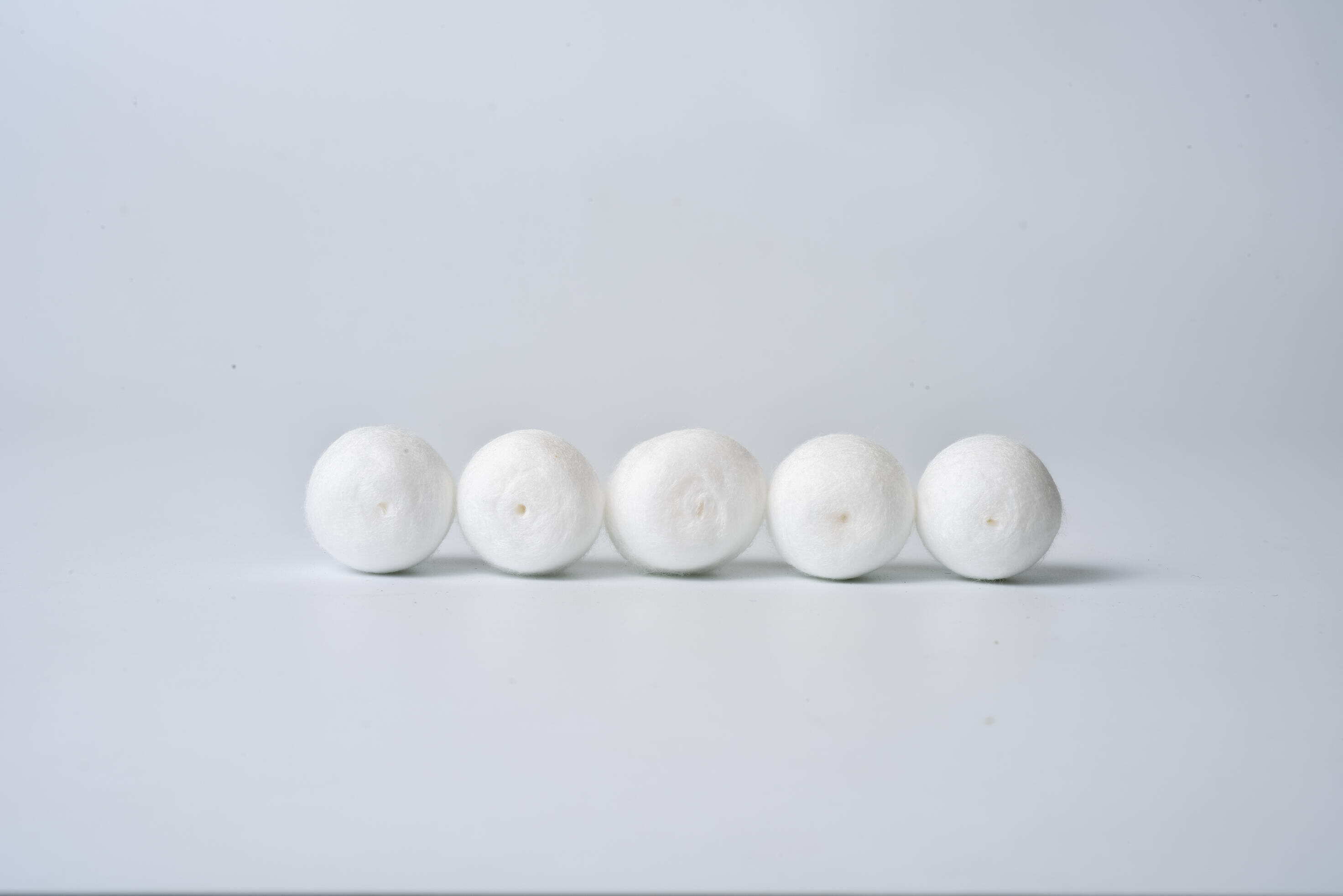
ပိုးသတ်နည်းများနှင့် အတည်ပြုခြင်း
ဂမ္မာအသေးစိတ်ဖောက်ထွင်းခြင်းဖြင့် သန့်စင်ခြင်း
ဂမ္မာအလင်းရောင်ဖြင့် စွမ်းအားပေးခြင်းသည် သန့်စင်ထားသော ဆေးဘက်ဆိုင်ရာ ပိုက်ဆံပုံစံ ပိုက်ဆံများအတွက် အထိရောက်ဆုံးသော သန့်စင်ရေးနည်းလမ်းများထဲမှ တစ်ခုဖြစ်ပြီး ပိုက်ဆံ၏ ရုပ်ပိုင်းဆိုင်ရာ ဂုဏ်သတ္တိများကို မထိခိုက်စေဘဲ မိုက်ခရိုအော်ဂဲနစ်များကို ဖျက်ဆီးရန် ထိန်းချုပ်ထားသော အလင်းရောင်စွမ်းအားကို အသုံးပြုပါသည်။ ဤသန့်စင်ရေးနည်းလမ်းသည် ထုပ်ပိုးမှုပစ္စည်းများနှင့် ပိုက်ဆံများ၏ အမျှင်များအထိ တစ်သျှူးတည်း စွမ်းအားပေးနိုင်ပါသည်။ ထို့ကြောင့် ထုတ်ကုန်၏ အစိတ်အပိုင်းအားလုံးတွင် မိုက်ခရိုအော်ဂဲနစ်များ လုံးဝဖျက်ဆီးနိုင်ပါသည်။ ဤလုပ်ငန်းစဉ်သည် ပတ်ဝန်းကျင်အပူခါးတွင် အလုပ်လုပ်ပါသည်။ ထို့ကြောင့် ဆေးဘက်ဆိုင်ရာအသုံးပြုမှုများအတွက် အရေးကြီးသော ပိုက်ဆံ၏ သဘောသမ်မ်ဗော်န်များနှင့် စုပ်ယူနိုင်မှုဂုဏ်သတ္တိများကို ထိန်းသိမ်းပေးပါသည်။
အတည်ပြုထားသော ရေဒီယိုသွင်းစက်ရုံများတွင် နောက်ဆုံးပေါ် ဒိုးစီမေတ်ရီ စနစ်များကို အသုံးပြု၍ အန်တာနေရှင်နယ် ဆေးဘက်ဆိုင်ရာ ကိရိယာများအတွက် သတ်မှတ်ထားသော စံချိန်စံညွှန်းများနှင့် ကိုက်ညီသော သန့်စင်မှုအာမခံချက်အဆင့်များကို အောင်မြင်စွာ ရရှိစေရန် အကောင်းဆုံး ရေဒီယိုသွင်းမှုအဆင့်များကို ပေးအပ်ပါသည်။ သန့်စင်ခြင်းလုပ်ငန်းစဉ်တွင် ရေဒီယိုသွင်းမှုအချက်အလက်များ၏ အကောင်အယောင်ကောင်းမှုကို အတည်ပြုရန်နှင့် သန့်စင်ပြီးသော ဆေးဘက်ဆိုင်ရာ ပုံသေဖုံးများသည် ကုသမှုအပြီးတွင် အသက်ရှင်နေသော မိုက်ခရိုအော်ဂဲနစ်များမှ လုံးဝကင်းစင်ကြောင်း အတည်ပြုရန် စုံလင်သော အတည်ပြုခြင်း လုပ်ထုံးလုပ်နည်းများ ပါဝင်ပါသည်။ ဤအတည်ပြုခြင်းလုပ်ထုံးများတွင် ဇီဝအညွှန်ပ indicators (biological indicators)၊ ဓာတုဒိုးစီမေတ်ရီများ (chemical dosimeters) နှင့် သန့်စင်မှုစမ်းသပ်မှုများ (sterility testing) တို့ ပါဝင်ပါသည်။
အိသီလီးန် အောက်ဆိုဒ် ပိုးသတ်ခြင်း
အက်သီလီန် ოက်ဆိုက်ဒ် စတီရီလိုက်ဇေးရှင်းသည် ဆေးဘက်ဆိုင်ရာ ပုံမှန် ပိုးသတ်ထားသော ပိုက်ဆံဖြင့် ပုံသေးသေးလေးများ ထုတ်လုပ်ရာတွင် အစားထိုးနည်းလမ်းတစ်ခုဖြစ်ပြီး အထူးသဖြင့် သိမ်မွေ့သော စီမံခန့်ခွဲမှုအခြေအနေများ လိုအပ်သည့် ထုတ်ကုန်များအတွက် အသင့်တော်ဆုံးဖြစ်ပါသည်။ ဤဓာတ်ငွေ စတီရီလိုက်ဇေးရှင်းနည်းသည် အပူခါးများ သိမ်မွေ့သော အပူခါးများတွင် လုပ်ဆောင်ပြီး ဆေးဘက်ဆိုင်ရာ နေရာများတွင် ပိုးဝင်မှုအန္တရာယ်များကို ဖြစ်စေနိုင်သည့် ဘက်တီးရီးယားများ၊ ဗိုင်းရပ်စ်များနှင့် ပိုးမွေးများကို ထိရောက်စွာ ဖျက်ဆီးပေးနိုင်ပါသည်။ ဤလုပ်ငန်းစဉ်တွင် စတီရီလိုက်ဇေးရှင်း၏ ထိရောက်မှုကို အများဆုံးဖြစ်အောင် ပြုလုပ်ရန်နှင့် ထုတ်ကုန်၏ အရည်အသွေးကို ထိန်းသိမ်းရန် အချိန်ကာလများ၊ အပူခါးများနှင့် စိုထိုင်းဆ အခြေအနေများကို ဂရုတစိုက် ထိန်းညှိထားပါသည်။
အက်သီလီန် ოက်ဆိုဒ်ဖြင့် ပြုပြုလုပ်ပြီးနောက် ထုတ်ကုန်များကို ကုန်စည်အက်သီလီန် ဓာတ်ကြွင်းကျန်မှုများကို ဖယ်ရှားရန်နှင့် လူနေမှုနှင့် တိုက်ရိုက်ထိတွေ့မှုအတွက် လုံခြုံရေးစံနှုန်းများကို အာမခံရန် ထိန်းချုပ်ထားသော လေထုဖြင့် လေဝင်လေထွက်လုပ်ခြင်းကာလများကို ဖော်ပြပါသည်။ ခေတ်မှီသော စောင်းကြည့်စနစ်များဖြင့် သန့်စင်မှုဖြစ်စဉ်တစ်လျှောက် ဓာတ်ငွေသို့မဟုတ် ဓာတ်ငွေအက်သီလီန်၏ အက်သီလီန်ပမာဏ၊ ထိတွေ့မှုကာလနှင့် လေဝင်လေထွက်လုပ်ခြင်း ပါရာမီတာများကို စောင်းကြည့်ထားပါသည်။ အတည်ပြုခြင်းလေ့လာမှုများအရ ဤသန့်စင်မှုနည်းလမ်းသည် သန့်စင်မှုလိုအပ်ချက်များကို အမြဲတမ်းအောင်မြင်စွာ အောင်မြင်စေပါသည်။ ထို့အပြင် သူ့၏ အရေးကြီးသော စွမ်းဆောင်ရည် လက္ခဏာများကို ထိန်းသိမ်းပေးပါသည်။
ထုတ်ပိုးမှုနှင့် သိုလှောင်မှု ထည့်သွင်းစဉ်းစားရမည့်အချက်များ
သန့်စင်ထုပ်ပိုးမှုစနစ်များ
ထုပ်ပိုးမှုသည် ဆေးဘက်ဆိုင်ရာ ချုံးသုံး ပိုးသတ်ထားသော ပိုးသတ်ထားသော ပိုးသတ်ထားသော ပိုးသတ်ထားသော ပိုးသတ်ထားသော ပိုးသတ်ထားသော ပိုးသတ်ထားသော ပိုးသတ်ထားသော ပိုးသတ်ထားသော ပိုးသတ်ထားသော ပိုးသတ်ထားသော ပိုးသတ်ထားသော ပိုးသတ်ထားသော ပိုးသတ်ထားသော ပိုးသတ်ထားသော ပိုးသတ်ထားသော ပိုးသတ်ထားသော ပိုးသတ်ထားသော ပိုးသတ်ထားသော ပိုးသတ်ထားသော ပိုးသတ်ထားသော ပိုးသတ်ထားသော ပိုးသတ်ထားသော ပို......
တစ်ဦးချင်းစီ ထုပ်ပိုးမှု ရွေးချယ်စရာများတွင် သန့်စင်ထားသော ပုံးများ၊ ဘလစ်တာ ပက်က်များနှင့် အသုံးပြုမှု ပုံစံများနှင့် ကျေးရှားဆေးကုသရေး စင်တာများ၏ tastes နှင့် လိုအပ်ချက်များကို ဖော်ပေးရန် ဒီဇိုင်းထုတ်ထားသော အထုပ်များ ပါဝင်ပါသည်။ ထုပ်ပိုးမှု ဒီဇိုင်းတွင် ထုတ်ကုန်ကို အလွ easily ဖွင့်နိုင်သော အင်္ဂါရပ်များ ပါဝင်ပြီး ထုတ်ကုန်ကို အသုံးပြုရာတွင် သန့်စင်မှုကို ထိန်းသိမ်းပေးပါသည်။ ထုတ်ကုန်၏ အမည်နှင့် သက်တမ်းကုန်ဆုံးရက်စွဲကို ရှင်းလင်းစွာ ဖော်ပြပေးပါသည်။ အရည်အသွေးမြင့် ထုပ်ပိုးမှုစနစ်များသည် ဆေးကုသရေး ပညာရှင်များအား သူတို့၏ ကုသမှုလုပ်ငန်းများတွင် ဆေးကုသရေးအဆင့် သန့်စင်ထားသော ပုံသေးသေးလေးများ၏ အရည်အသွေးကို ထိန်းသိမ်းရာတွင် အထောက်အကူပေးပါသည်။
သိမ်ထားမှုနှင့် ဖြန့်ဖြူးမှုလိုအပ်ချက်များ
ဆေးကုသရေးအဆင့် သန့်စင်ထားသော ပုံသေးသေးလေးများ၏ အရည်အသွေးနှင့် သန့်စင်မှုကို သုံးစွဲမှုကာလ အတွင်း ထိန်းသိမ်းရန် သင့်လျော်သော သိုလှောင်မှုအခြေအနေများ အရေးကြီးပါသည်။ အကြံပြုထားသော သိုလှောင်မှုနေရာများတွင် ထုတ်ကုန်များ ပျက်စီးမှုများကို ကာကွယ်ရန် အပူခါးနှင့် စိုထိုင်းဆကို ထိန်းညှိထားသော ပတ်ဝန်းကျင်များ ပါဝင်ပါသည်။ ထုတ်ကုန်များ၏ ထုပ်ပိုးမှု အရည်အသွေးကို ထိန်းသိမ်းရန် လည်း အရေးကြီးပါသည်။ ဖြန့်ဖြူးရေးစနစ်များသည် ထုတ်ကုန်များကို ရုပ်ပိုင်းဆိုင်ရာ ပျက်စီးမှုများ၊ ညစ်ညမ်းမှုများနှင့် ထုတ်ကုန်များ၏ ဆေးကုသရေးအဆင့် ဂုဏ်သတ္တေများကို ထိခိုက်စေနိုင်သော ပတ်ဝန်းကျင်ဆိုင်ရာ အခြေအနေများမှ ကာကွယ်ရန် လိုအပ်ပါသည်။
ပရော်ဖက်ရှင်နယ် ဖြန့်ဖြူးရေးကွန်ရက်များသည် ဆေးဘက်ဆိုင်ရာထုတ်ကုန်များအတွက် အထူးဒီဇိုင်းထုတ်ထားသော ရောင်းဝယ်ရေးအတွက် ရောင်းချမှုအပူခွင်လေးစိမ်းခြင်း ပို့ဆောင်ရေးနှင့် သိုလှောင်ရေးစနစ်များကို အသုံးပြုကြသည်။ ဤစနစ်များသည် သိုလှောင်မှုအခြေအနေများ၊ ကိုင်တွယ်မှုလုပ်ထုံးလုပ်နည်းများနှင့် ပိုင်ဆိုင်မှုလုပ်ငန်းစဉ်များကို အသေးစိတ်မှတ်တမ်းတင်ထားပြီး စည်းမျဉ်းစည်းကမ်းနှင့် ကိုက်ညီမှုနှင့် အရည်အသွေးအာမခံမှုလုပ်ငန်းများကို ပံ့ပိုးပေးသည်။ ကျန်းမာရေးစင်တာများသည် ထုတ်ကုန်များ၏ အမြဲတမ်းရရှိနိုင်မှုနှင့် အရည်အသွေးစံနှုန်းများကို အာမခံပေးနိုင်သော ယုံကုံစိတ်ချရသော ဖြန့်ဖြူးရေးမှုများနှင့် ပူးပေါင်းမှုများမှ အကျေးဇူးပါသည်။
အရည်အချင်းသိပ်ခံရာနှင့် မှုမျဉ်းချက်များအတိုင်း ကိုက်ညီမှု
အပြည်ပြည်ဆိုင်ရာ စံနှုန်းများနှင့် အတည်ပြုလက်မှတ်များ
သန့်စင်ရေးဆေးဘက်ဆိုင်ရာ ပိုက်ဆံဖြင့် ထုတ်လုပ်သည့် စက်ရုံများသည် ဆေးဘက်ဆိုင်ရာ ပစ္စည်းများအတွက် အရည်အသွေးစီမံခန့်ခွဲမှုစနစ်များအတွက် ISO 13485 နှင့် သန့်စင်ရေးအတည်ပြုခြင်းလိုအပ်ချက်များအတွက် ISO 11137 တို့ကဲ့သို့သော ကမ္ဘာလုံးဆိုင်ရာ စံနှုန်းများကို တင်းကြပ်စွာ လိုက်နာရမည်။ ဤစံနှုန်းများသည် သုံးစွဲမှုအတွက် အရင်းအမြစ်များမှ အဆုံးသတ်ထုတ်ကုန်များကို ဖြန့်ဖြူးခြင်းအထိ ထုတ်လုပ်မှု၏ အားလုံးသော အဆင့်များကို ဖော်ပြပေးပြီး ကမ္ဘာလုံးဆိုင်ရာဈေးကွက်များတွင် အရည်အသွေးနှင့် လုံခြုံရေးကို တည်ငြိမ်စွာ အာမခံပေးသည်။ စံနှုန်းများနှင့် ကိုက်ညီမှုရှိခြင်းသည် လူနေမှုအတွက် လုံခြုံရေးနှင့် ထုတ်ကုန်အရည်အသွေးကောင်းမှုကို ထုတ်လုပ်သူများ၏ စိတ်အားထက်သန်မှုကို ဖော်ပြပေးသည်။
တတိယအဖွဲ့အစည်းများသည် သက်ဆိုင်ရာစံနှုန်းများနှင့် စည်းမျဉ်းများနှင့် ကိုက်ညီမှုကို စစ်ဆေးရန် ပုံမှန်စစ်ဆေးမှုများကို ပြုလုပ်ပါသည်။ ထိုစစ်ဆေးမှုများတွင် စာရွက်စာတမ်းစနစ်များ၊ ထုတ်လုပ်မှုလုပ်ငန်းစဉ်များနှင့် အရည်အသွေးထိန်းချုပ်မှုလုပ်ထုံးလုပ်နည်းများကို စစ်ဆေးပါသည်။ ဤလွတ်လပ်သော အကဲဖြတ်မှုများသည် ကျန်းမာရေးဝန်ဆောင်မှုဖောက်သည်များအား သန့်စင်ထားသော ဆေးဘက်ဆိုင်ရာ ပိုးသတ်ထားသော ပိုက်ဆံများသည် သတ်မှတ်ထားသော ဘေးကင်းရေးနှင့် စွမ်းဆောင်ရည်စံနှုန်းများနှင့် ကိုက်ညီကြောင်း ယုံကြည်မှုကို ပေးစေပါသည်။ လက်ရှိအထုတ်လုပ်မှုလုပ်ငန်းစဉ်များကို ထိန်းသိမ်းရန်အတွက် အရည်အသွေးစနစ်များတွင် အဆက်မပါသော ရင်းနှီးမှုများနှင့် အဆက်မပါသော တိုးတက်မှုလုပ်ငန်းများကို အမြဲတမ်း အာရုံစိုက်ရပါမည်။
စမ်းသပ်ခြင်းနှင့် တံဆိပ်ခြင်း ပုံမှန်အတိုင်း
စုံလငုံသော စမ်းသပ်မှုအစီအစဉ်များသည် သန့်စင်ထားသော ဆေးဘက်ဆိုင်ရာ ပိုးသတ်ထားသော ပိုက်ဆံများသည် သတ်မှတ်ထားသော စွမ်းဆောင်ရည်လိုအပ်ချက်များနှင့် ဘေးကင်းရေးစံနှုန်းများကို အမြဲတမ်း ကိုက်ညီကြောင်း အတည်ပြုပါသည်။ ဤစမ်းသပ်မှုများတွင် အသက်ရှင်နေသော မိုက်ခရိုအော်ဂဲနစ်များ မရှိကြောင်း အတည်ပြုရန် အတည်ပြုထားသော နည်းလမ်းများဖြင့် သန့်စင်မှုစမ်းသပ်မှုများ၊ အရည်စုပ်ယူမှု စမ်းသပ်မှုများ (အရည်စုပ်ယူမှု စွမ်းရည်ကို အတည်ပြုရန်) နှင့် ပိုက်ဆံများ၏ အသုံးဝင်မှုနှင့် တည်ငြိမ်မှုကို စစ်ဆေးရန် ရုပ်ပိုင်းဆိုင်ရာ စမ်းသပ်မှုများ ပါဝင်ပါသည်။ ပုံမှန်စမ်းသပ်မှုအချိန်ဇယားများသည် အရည်အသွေးသတ်မှတ်ချက်များနှင့် အမြဲတမ်း ကိုက်ညီမှုကို အာမခံပါသည်။
အတည်ပြုခြင်းလေ့လာမှုများသည် ထုတ်ကုန်အရည်အသွေးကို သတ်မှတ်ထားသော သိုလှောင်မှုကာလအတွင်း ထိန်းသိမ်းပေးနိုင်ရန် ထုတ်လုပ်မှုလုပ်ငန်းစဉ်များ၊ သန့်စင်ရေးနည်းလမ်းများနှင့် ထုပ်ပိုးမှုစနစ်များ၏ ထိရောက်မှုကို သိပ်သည်းစွာ စစ်ဆေးအတည်ပြုပေးပါသည်။ ဤလေ့လာမှုများတွင် အရှိန်မြင့်ထုတ်ကုန်အိုမင်းမှုစမ်းသပ်မှုများ၊ အချိန်အတိအကျဖော်ပြသည့် တည်ငြိမ်မှုလေ့လာမှုများနှင့် သိုလှောင်မှုနှင့် ကိုင်တွယ်မှုအခြေအနေများစွာအောက်တွင် စွမ်းဆောင်ရည်စမ်းသပ်မှုများ ပါဝင်ပါသည်။ ထိုလေ့လာမှုများမှ ရရှိလာသည့် အချက်အလက်များသည် ထုတ်ကုန်မှတ်ပုံတင်မှုလိုအပ်ချက်များကို ပံ့ပိုးပေးပြီး ကျန်းမာရေးစောင်းထောက်မှုဖောက်သည်များအား ထုတ်ကုန်၏ ယုံကြည်စိတ်ချရမှုနှင့် ဘေးအန္တရာယ်ကင်းမှုတွင် ယုံကြည်မှုကို ပေးအပ်ပါသည်။
ကျန်းမာရေးစောင်းထောက်မှုနေရာများတွင် အသုံးပြုမှုများ
အနာကုသခြင်းနှင့် ကုသမှု
ကျန်းမ်ားရေးစောင်းပေးသူများသည် အနာကုသမှုဆိုင်ရာ လုပ်ငန်းစဉ်များဖြစ်သည့် သန့်စင်ခြင်း၊ ဆေးဝါးအသုံးပြုခြင်းနှင့် ကာကွယ်ရေးအဖ покရ်များတွင် သန့်စင်ထားသော ဆေးဘက်ဆိုင်ရာ ပိုင်းကြီးများကို အသုံးပြုကြသည်။ အရည်အသွေးမြင့် ပိုင်းကြီးများ၏ စုပ်ယူမှုစွမ်းရည်မြင့်မှုနှင့် နူးညံ့သော အသားအရေသည် အနာမှ ရေစုပ်ထုတ်မှုကို စီမံခန့်ခွဲရာတွင် အကောင်းဆုံးဖြစ်စေပြီး ကုသမှုလုပ်ငန်းစဉ်အတွင်း လူနေမှုအဆင်ပေးမှုကို အနည်းဆုံးဖြစ်အောင် လုပ်ပေးနိုင်သည်။ သန့်စင်ထားသော သဘောသည် အနာမှ ညစ်ညမ်းမှုကြောင့် ဖြစ်ပေါ်လာနိုင်သည့် ပိုးဝင်မှုအန္တရာယ်များကို ဖယ်ရှားပေးပြီး အကောင်းမြင့်မှုအတွက် အကောင်းဆုံး အနာကုသမှုရလဒ်များကို ပံ့ပိုးပေးသည်။
အရေးပေါ်ဌာနများ၊ အေးစေးခန်းများနှင့် အပြင်ပိုင်းဆေးခန်းများတွင် အနာများကို ချက်ချင်းကုသရေးနှင့် အဆက်မပြတ် ကုသမှုစီမံခန့်ခွဲမှုအတွက် သန့်စင်ထားသော ဆေးဘက်ဆိုင်ရာ ပိုင်းကြီးများကို အသုံးပြုကြသည်။ ဤထုတ်ကုန်များ၏ လုံလေးမှုသည် ကျန်းမ်ားရေးစောင်းပေးသူများအား အနာအမျိုးမျိုးနှင့် အရွယ်အစားများကို ကုသရေးအတွက် သန့်စင်မှုနည်းလမ်းများကို ထိန်းသိမ်းရေးအတွက် အသုံးပြုနိုင်စေပါသည်။ ထုတ်ကုန်အရည်အသွေးကို တစ်သေးတည်းထားရေးသည် ကွဲပြားသည့် ဆေးကုသမှုအခြေအနေများနှင့် လူနေမှုအုပ်စုများတွင် ယုံကြည်စိတ်ချရသည့် အလုပ်လုပ်မှုကို အာမခံပေးသည်။
ဆေးထုတ်ပေးခြင်း
သန့်စင်ထားသော ဆေးဘက်ဆိုင်ရာ ပိုးသတ်ထားသည့် ပိုက်ဆံခွေများသည် ဆေးဝါးများ ပြင်ဆင်ခြင်းနှင့် ထောက်ကူပေးခြင်း လုပ်ထုံးလုပ်နည်းများတွင် အရေးပါသော အခန်းကဏ္ဍများ ယူဆောင်ပေးပါသည်။ အထူးသဖြင့် အသားပေါ်သို့ အသုံးပြုသည့် ဆေးများ နှင့် ထိုးသွင်းမှုနေရာများ ဂရုစိုက်ခြင်းတွင် ဖြစ်ပါသည်။ ၎င်းတို့၏ စုပ်ယူနိုင်မှု ဂုဏ်သတ္တိများကြောင့် ပိုးသတ်ဆေးဖျော်ရည်များဖြင့် ထိုးသွင်းမှုနေရာများကို သန့်စင်ရာတွင် ထိရောက်မှုရှိပါသည်။ အပ်ထိုးသွင်းမှု လုပ်ထုံးလုပ်နည်းများအတွင်း မှုန်မှုန်များ ဝင်ရောက်မှုကို ကာကွယ်ရာတွင် ၎င်းတို့၏ သန့်စင်မှု ဂုဏ်သတ္တိများကြောင့် ဖြစ်ပါသည်။ ကျန်းမာရေး ဝန်ထမ်းများသည် ကုသမှု ပရိုတိုကောលများအတွင်း အသုံးပြုသည့် အသုံးအဆောင်များကို အသုံးပြုရာတွင် အစိမ်းရောင် နည်းလမ်းများကို ထိန်းသိမ်းရာတွင် ဤထုတ်ကုန်များပေါ်တွင် မှီခိုပါသည်။
ဆေးဆိုင်ဌာနများနှင့် ကျန်းမာရေး ကုသမှု ဌာနများသည် ဆေးဝါးများ ပြင်ဆင်ခြင်း လုပ်ငန်းများနှင့် လူနာများကို ဂရုစိုက်ခြင်း လုပ်ငန်းများကို အထောက်အကူပေးရာတွင် သန့်စင်ထားသော ဆေးဘက်ဆိုင်ရာ ပိုးသတ်ထားသည့် ပိုက်ဆံခွေများကို သိုလှောင်ထားပါသည်။ အရည်အသွေးမြင့်မားပြီး အမြဲတမ်း တူညီသည့် အရည်အသွေးရှိသည့် ထုတ်ကုန်များ ရရှိနေခြင်းသည် ကျန်းမာရေး အဖွဲ့အစည်းများအား လုပ်ငန်းစဉ်များကို ထိရောက်စွာ လုပ်ဆောင်နေစေပါသည်။ ထို့အတူ လူနာများ၏ ဘေးအန္တရာယ်ကင်းမှု စံနှုန်းများကို သေချာစေပါသည်။ ယုံကြည်စိတ်ချရသည့် ထုတ်ကုန်များ၏ စွမ်းဆောင်ရည်သည် ကျန်းမာရေး စီမံခန့်ခွဲမှုနေရာများတွင် လူနာများ၏ အတွေ့အကြုံများနှင့် ကုသမှု ရလဒ်များကို အကောင်းများစေပါသည်။
ထောက်ပံ့သူရွေးချယ်ခြင်းနှင့် ဝယ်ယူခြင်း
ထုတ်လုပ်မှုအရည်အသွေးကို အကဲဖြတ်ခြင်း
ကျန်းမာရေးစောင်းထုတ်မှုအထူးကျွမ်းကျင်သူများသည် သန့်စင်ထားသော ဆေးဘက်ဆိုင်ရာ ပိုက်ဆို့သော ပိုက်ဆို့သော ပိုက်ဆို့သော ပိုက်ဆို့သော ပိုက်ဆို့သော ပိုက်ဆို့သော ပိုက်ဆို့သော ပိုက်ဆို့သော ပိုက်ဆို့သော ပိုက်ဆို့သော ပိုက်ဆို့သော ပိုက်ဆို့သော ပိုက်ဆို့သော ပိုက်ဆို့သော ပိုက်ဆို့သော ပိုက်ဆို့သော ပိုက်ဆို့သော ပိုက်ဆို့သော ပိုက်ဆို့သော ပိုက်ဆို့သော ပိုက်ဆို့သော ပိုက်ဆို့သော ပိုက်ဆို့သော ပိုက်ဆို့သော ပ......
အရေးကြီးသော အကဲဖြတ်ရေး စံနှုန်းများတွင် ထုတ်လုပ်မှုစွမ်းရည်၊ အရည်အသွေးအောင်မှုလက်မှတ်များ၊ သန့်စင်ခြင်း အတည်ပြုခြင်းဆိုင်ရာ အချက်အလက်များနှင့် ဖောက်သည်ဝန်ဆောင်မှု စွမ်းရည်များ ပါဝင်သည်။ ဆေးဘက်ဆိုင်ရာ ကိရိယာများ ထုတ်လုပ်မှုတွင် အတည်ပြုထားသော အတွေ့အကြုံရှိပြီး စည်းမျဉ်းစည်းကမ်းများနှင့် ကိုက်ညီမှုရှိသော ပေးသွင်းသူများသည် အရည်အသွေးမြင့်မားသော သန့်စင်ထားသော ဆေးဘက်ဆိုင်ရာ ပိုက်ဆို့သော ပိုက်ဆို့သော ပိုက်ဆို့သော ပိုက်ဆို့သော ပိုက်ဆို့သော ပိုက်ဆို့သော ပိုက်ဆို့သော ပိုက်ဆို့သော ပိုက်ဆို့သော ပိုက်ဆို့သော ပိုက်ဆို့သော ပိုက်ဆို့သော ပိုက်ဆို့သော ပိုက်ဆို့သော ပိုက်ဆို့သော ပိုက်ဆို့သော ပိုက်ဆို့သော ပိုက်ဆို့သော ပိုက်ဆို့သော ပိုက်ဆို့သော ပိုက်ဆို့သော ပိုက်ဆို့သော ပိုက်ဆို့သော ပိုက်ဆို့သေ......
စရိတ်စဉ်းစားရမည့်အချက်များနှင့် တန်ဖိုး ဆန်းစစ်ခြင်း
စျေးနှုန်းသည် ဆေးဘက်ဆိုင်ရာ ဝယ်ယူမှုတွင် အရေးပါသော အချက်တစ်ခုဖြစ်သော်လည်း ဆေးရုံများနှင့် ကုသမှုစင်တာများသည် သန့်စင်ထားသော ဆေးဘက်ဆိုင်ရာ ပိုးသတ်ထားသော သံပုရွက်သီးများ ပေးသွင်းသူများကို ရွေးချယ်ရာတွင် စျေးနှုန်းအပေါ် အလေးပေးမှုကို အရည်အသွေးလိုအပ်ချက်များနှင့် စုစုပေါင်း ပိုင်ဆိုင်မှုစုစုပေါင်းစုန်းကုန်များ (Total Cost of Ownership) နှင့် ဟန်ခေါင်းညှိရမည်။ အရည်အသွေးမြင့်မားသော ထုတ်ကုန်များသည် စျေးနှုန်းမြင့်မားမှုကို တောင်းဆိုနိုင်သော်လည်း အများအားဖြင့် ပိုမိုကောင်းမွန်သော စွမ်းဆောင်ရည်၊ အကုန်စုန်းမှုလျော့နည်းခြင်းနှင့် လူနေမှုအဆင်ပေးမှုအတွက် ပိုမိုကောင်းမွန်သော ရလဒ်များကို ပေးစေပြီး ထိုရင်းနှီးမှုကို အကျေးဇူးတင်စွာ အကောင်အထည်ဖော်နိုင်ပါသည်။ စုစုပေါင်းတန်ဖိုးအကဲဖြတ်မှုများတွင် ထုတ်ကုန်၏ စွမ်းဆောင်ရည်၊ ပေးသွင်းသူ၏ ယုံကြည်စိတ်ချရမှုနှင့် ရှည်လျော်စွာ ပူးပေါင်းဆောင်ရွက်မှုများမှ ရရှိသော အကျိုးကျေးဇူးများကို ထည့်သွင်းစဉ်းစားပါသည်။
အရေအတွက်များစွာဖြင့် ဝယ်ယူခြင်းနှင့် အရေအတွက်အလိုက် သဘောတူညီချက်များသည် ကုသမှုဆိုင်ရာ လုပ်ငန်းစဉ်များကို အထောက်အကူပေးရန် လုံလောက်သော ကုန်ပစ္စည်းများကို ထိန်းသိမ်းရာတွင် စျေးနှုန်းအက advantage များကို ပေးစေပါသည်။ ထုပ်ပိုးမှုအမျိုးမျိုးကို ပေးသွင်းနိုင်ခြင်း၊ စျေးနှုန်းများကို ယှဉ်ပြိုင်နိုင်ခြင်းနှင့် အချိန်မှန်ကာမှန် ပေးပို့နိုင်ခြင်းတို့ကို ပေးသွင်းသူများက ပေးနိုင်ပါက ဆေးရုံများနှင့် ကုသမှုစင်တာများသည် ၎င်းတို့၏ ဝယ်ယူမှုနောက်ကွယ်ရှိ ဗျူဟာများကို အကောင်အထည်ဖော်ရာတွင် ပိုမိုကောင်းမွန်စေပါသည်။ အရည်အသွေးမြင့်မားသော ထုတ်ကုန်များနှင့် စျေးနောက်ကွယ်ရှိ ထိရောက်မှုရှိသော ဝယ်ယူမှုနည်းလမ်းများကို ပေါင်းစပ်ခြင်းဖြင့် လူနေမှုအဆင်ပေးမှုအတွက် ရည်မှန်းချက်များနှင့် လုပ်ငန်းလည်ပုန်းမှု ထိရောက်မှုအတွက် ရည်မှန်းချက်များကို အကောင်အထည်ဖော်ရာတွင် အထောက်အကူပေးပါသည်။
မေးလေ့ရှိသောမေးခွန်းများ
ဆေးဘက်ဆိုင်ရာ ပိုးသတ်ထားသော ချုံးစုပ်မှုန်များအတွက် အသုံးများသည့် ပိုးသတ်နည်းလမ်းများမှာ အတွက် အသုံးများသည့် ပိုးသတ်နည်းလမ်းများမှာ အတွက် အသုံးများသည့် ပိုးသတ်နည်းလမ်းများမှာ အတွက် အသုံးများသည့် ပိုးသတ်နည်းလမ်းများမှာ အတွက် အသုံးများသည့် ပိုးသတ်နည်းလမ်းများမှာ အတွက် အသုံးများသည့် ပိုးသတ်နည်းလမ်းများမှာ အတွက် အသုံးများသည့် ပိုးသတ်နည်းလမ်းများမှာ အတွက် အသုံးများသည့် ပိုးသတ်နည်းလမ်းများမှာ အတွက် ......
ပိုးသတ်ထားသည့် ဆေးဘက်ဆိုင်ရာ ချုံးစုပ်မှုန်များအတွက် အသုံးများသည့် ပိုးသတ်နည်းလမ်းများတွင် ဂမ္မာ အလင်းရောင်ဖြင့် ပိုးသတ်ခြင်းနှင့် အက်သီလီးင် ၏အောက်ဆိုဒ်ဖြင့် ပိုးသတ်ခြင်းတို့ ပါဝင်ပါသည်။ ဂမ္မာ အလင်းရောင်ဖြင့် ပိုးသတ်ခြင်းကို ထုပ်ပိုးမှုနှင့် ချုံးစုပ်မှုန်များအတွင်းသို့ အလင်းရောင် ထိရောက်စွာ စိမ်းဝင်နိုင်မှုရှိခြင်း၊ ချုံးစုပ်မှုန်၏ ဂုဏ်သတ္တိများကို ထိန်းသိမ်းရန် အပူချိန်ပုံမှန်အတိုင်း အလုပ်လုပ်နိုင်ခြင်းတို့ကြောင့် ဦးစားပေးသုံးသည်။ အက်သီလီးင် ၏အောက်ဆိုဒ်ဖြင့် ပိုးသတ်ခြင်းသည် အပူချိန်နိမ့်သည့် နည်းလမ်းတစ်များဖြစ်ပြီး မိုက်ခရိုအော်ဂနစ်များကို ထိရောက်စွာ ဖျက်ဆီးနိုင်ပြီး ထုတ်ကုန်၏ အရည်အသွေးကို ထိန်းသိမ်းပေးနိုင်ပါသည်။ ဤနည်းလမ်းနှစ်များသည် ဆေးဘက်ဆိုင်ရာ ကိရိယာများ၏ စံနှုန်းများနှင့် ကိုက်ညီရန် အောင်မြင်စွာ စမ်းသပ်မှုများကို ပြုလုပ်ပြီး ပိုးသတ်မှုအာမခံချက်ကို အောင်မြင်စွာ ရရှိပါသည်။
ပိုးသတ်ထားသည့် ဆေးဘက်ဆိုင်ရာ ချုံးစုပ်မှုန်များကို ဖွင့်ပြီးနောက် ပိုးသတ်မှုအာမခံချက် မည်မျှကြာမှုအထိ ထိန်းသိမ်းနိုင်ပါသည်။
အဖွင့်ပြီးသည့်နောက် သန့်စင်ထားသော ဆေးဘက်ဆိုင်ရာ ပိုက်ဆံချေးမှု (cotton balls) များကို ချက်ချင်းသုံးရမည် သို့မဟုတ် လုပ်ငန်းခွင့်ပြုချက်များတွင် သတ်မှတ်ထားသည့် အချိန်ကာလအတွင်း သုံးရမည်။ ယေဘုယျအားဖြင့် သန့်စင်ပြီး ခြောက်သော ပတ်ဝန်းကျင်တွင် သိမ်းဆောင်ထားပါက ၂၄ နာရီအတွင်း သုံးရမည်။ အဖွင့်မထားသော ထုပ်ပိုးမှုများ၏ သန့်စင်မှုကို သက်တမ်းကုန်မတိုင်မီ အထိသာ အာမခံပေးပါသည်။ ကျန်းမာရေးစောင်းဆောင်မှုလုပ်ငန်းများသည် အဖွင့်ထားသော ထုပ်ပိုးမှုများကို ကိုင်တွယ်ရန် ရှင်းလင်းသော လုပ်ထုံးလုပ်နည်းများ ချမ်းသာစေရန်နှင့် အသုံးပြုစဉ် ညစ်ညမ်းမှုများ မဖြစ်ပါစေရန် သန့်စင်မှုနည်းလမ်းများကို ဝန်ထမ်းများအား လေ့ကျင်းပေးရမည်။ ညစ်ညမ်းမှု သို့မဟုတ် စိုထေးမှုလက္ခဏာများ ပေါ်လာသည့် ပိုက်ဆံချေးမှုများကို ချက်ချင်းစွန့်ပါ။
ဆေးဘက်ဆိုင်ရာ ပိုက်ဆံချေးမှုများအတွက် ပေးသောင်းသူများသည် အရည်အသွေးအထောက်အထားများ မည်သည့်အရည်အသွေးအထောက်အထားများ ရှိရမည်နည်း။
သန့်စင်ရေးဆေးဘက်ဆိုင်ရာ ပိုင်းခြားထားသော သံသရာမှုန်များကို ဖော်ပေးသည့် ယုံကြည်စိတ်ချရသော ပေးသွင်းသူများသည် ဆေးဘက်ဆိုင်ရာပစ္စည်းများအတွက် အရည်အသွေးစီမံခန့်ခွဲမှုစနစ်များအတွက် ISO 13485 အထောက်အထားနှင့် သန့်စင်ရေးစမ်းသပ်မှုအတည်ပြုခြင်းအတွက် ISO 11137 အထောက်အထားကို ထိန်းသိမ်းထားရမည်။ အပိုအထောက်အထားများတွင် ဥရောပဈေးကွက်အတွက် CE အမှတ်အသား၊ အမေရိကန်ဈေးကွက်အတွက် FDA မှတ်ပုံတင်ခြင်းနှင့် ဖြန့်ဖြူးရောင်းချမှုနေရာအလိုက် အခြားဒေသအလိုက် စည်းမျဉ်းစည်းကမ်းဆိုင်ရာ အတည်ပြုခြင်းများ ပါဝင်နိုင်ပါသည်။ တတိယအဖွဲ့မှ အရည်အသွေးအထောက်အထားများသည် ထုတ်လုပ်မှုလုပ်ငန်းများတစ်လျှောက် အရည်အသွေးစံနှုန်းများကို စံနှုန်းတူညီစေရန်နှင့် စည်းမျဉ်းစည်းကမ်းများနှင့် ကိုက်ညီမှုကို ထိန်းသိမ်းရန် ပေးသွင်းသူများ၏ စိတ်အားထက်သန်မှုကို ဖော်ပြပေးပါသည်။
သိုလှောင်ရေးအခြေအနေများသည် သန့်စင်ရေးဆေးဘက်ဆိုင်ရာ ပိုင်းခြားထားသော သံသရာမှုန်များ၏ အရည်အသွေးကို မည်သို့အကျိုးသက်ရောက်မှုရှိပါသန်း
ဆေးဘက်ဆိုင်ရာ ပိုင်းခြားထားသော ချုပ်ထည့်မှုများ (medical cotton balls) ၏ အရည်အသွေးနှင့် သန့်စင်မှုကို သုံးစွဲနိုင်သည့် ကာလအတွင်း ထိန်းသိမ်းရာတွင် သင့်လျော်သော သိုလှောင်ရေး အခြေအနေများ အလွန်အရေးကြီးပါသည်။ အကြံပြုထားသော သိုလှောင်ရေးနည်းလမ်းများတွင် အပူချိန်နှင့် စိုထုံးမှု အခြေအနေများကို ထိန်းညှိထားခြင်း၊ တိုက်ရိုက်နေရောင်ခြင်းမှ ကာကွယ်ခြင်းနှင့် ညစ်ညမ်းမှုများကင်းဝေးပါသည့် သန့်ရှင်းပြီး ခြောက်သွေ့သော ပတ်ဝန်းကျင်များတွင် သိုလှောင်ခြင်း ပါဝင်ပါသည်။ အပူချိန်အလွန်များခြင်း၊ စိုထုံးမှုများခြင်း သို့မဟုတ် ဓာတုပစ္စည်းများနှင့် ထိတွေ့မှုရှိခြင်းတို့သည် ထုပ်ပိုးမှု၏ အက်ခ်ခ်အ်ခ်အ်ခ်ခ်အ်ခ်အ်ခ်အ်ခ်အ်ခ်အ်ခ်အ်ခ်အ်ခ်အ်ခ်အ်ခ်အ်ခ်အ်ခ်အ်ခ်အ်ခ်အ်ခ်အ်ခ်အ်ခ်အ်ခ်အ်ခ်အ်ခ်အ်ခ်အ်ခ်အ်ခ်အ်ခ်အ်ခ်အ်ခ်အ်ခ်အ်ခ်အ်ခ်အ်ခ်အ်ခ်အ်ခ်အ်ခ်အ်ခ်အ်ခ်အ်ခ်အ်ခ်အ်ခ်အ်ခ်အ်ခ်အ်ခ်အ်ခ်အ်ခ်အ်ခ်အ်ခ်အ်ခ်အ်ခ်အ်ခ်အ်ခ်အ်ခ်အ်ခ်အ်ခ်အ်ခ်အ်ခ်အ်ခ်အ်ခ်အ်ခ်အ်ခ်အ်ခ်အ်ခ်အ်ခ်အ်ခ်အ်ခ်အ်ခ်အ်ခ်အ်ခ်အ်ခ်အ်ခ်အ်ခ်အ်ခ်အ်ခ်အ်ခ်အ်ခ်အ်ခ်အ်ခ်အ်ခ်အ်ခ်အ်ခ်အ်ခ်အ်ခ်အ်ခ်အ်ခ်အ်ခ်အ်ခ်အ်ခ်အ်......

