 EN
EN


Hvordan er bomullstipper festet sikkert for presisjon og hygiene?
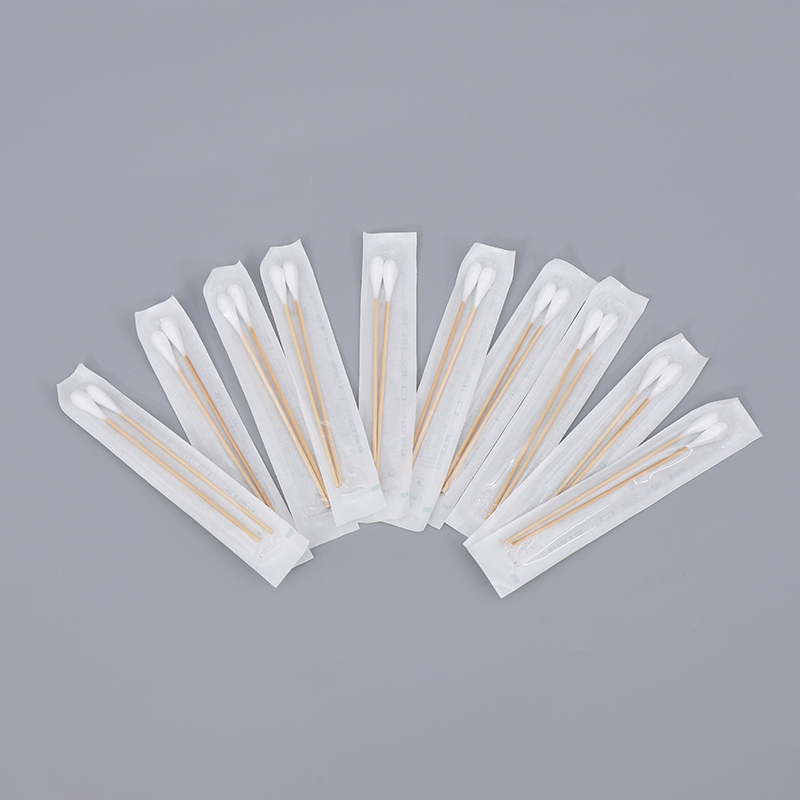
I helsevesen og presisjonsapplikasjoner representerer sikker forbindelse av bomullstipper en kritisk produksjonsprosess som direkte påvirker pasienttrygghet og nøyaktighet under prosedyrer. Metodene som brukes for å feste bomull fibre til applikatorstenger bestemmer påliteligheten, sterilegenskapene og ytelsesegenskapene til disse essensielle verktøyene. Å forstå festemetodene som brukes i produksjon av medisinske bomullstippede applikatorer gir innsikt i hvorfor visse produkter yter bedre i krevende kliniske miljøer, mens andre kan ligge under profesjonelle standarder.
Bomullspissenes bindingsstyrke korrelerer direkte med effektiviteten deres i medisinske prosedyrer, prøvetaking og presisjonsrengjøring. Når bomullsfibre løsner fra stilkene under bruk, kan konsekvensene variere fra kompromittert prøvetaking til potensiell kontamineringsrisiko i sterile miljøer. Produksjonsprosesser må derfor prioritere både den innledende bindingsstyrken og den langsiktige stabiliteten til bindingen mellom bomull og stilk under ulike miljøforhold og bruksscenarier.
Produksjonsteknikker for liming av bomullsapplikatorer
Limsystemer
Modern produksjon av medisinske bomullspinn med påført bomull er primært avhengig av spesialiserte limsystemer som er designet for å skape varige bindinger mellom bomullsfibre og plast- eller trestenger. Disse medisinske limstoffene gjennomgår omfattende testing for å sikre biokompatibilitet og motstandskraft mot vanlige steriliseringsmetoder, inkludert gammastråling og eksponering for etylenoksid. Prosessen for påføring av lim krever nøyaktig kontroll av temperatur, fuktighet og herdetid for å oppnå optimal bindestyrke uten å kompromittere steriliteten eller absorberende egenskaper til bomullstippen.
Valget av passende limformuleringer avhenger av den tenkte bruken og regulatoriske krav til det endelige produktet. Smelteklæbelim gir rask sammenføyning og utmerket initiell klebrighet, noe som gjør dem egnet for produksjon i høy volum. Tvert imot tilbyr løsemiddelbaserte systemer bedre penetrering i bomullsfibermatriser, men krever ekstra tørketid og vurdering av ventilasjon under produksjon.
Termiske samlingsprosesser
Termisk samlingsprosess representerer en alternativ metode der varme og trykk skaper mekanisk sammenheng mellom bomullsfibre og spesielt designede stavoverflater. Denne metoden eliminerer behovet for kjemiske limstoffer, reduserer potensielle forurensningsrisikoer og forenkler godkjenningsprosessen hos myndighetene for medisinske bomullsapplikatorer. Den termiske samlingsprosessen krever nøyaktig temperaturregulering for å myke opp plaststavmaterialer uten å degradere bomullsfibrenes integritet eller danne giftige biprodukter.
Avansert termisk bindeutstyr inneholder tilbakemeldingskontrollsystemer som overvåker binding under dannelse i sanntid, og sikrer konsekvent kvalitet gjennom produksjonspartier. Prosessparametre som temperatur, trykk og varighet må nøye optimaliseres for ulike typer bomullsfibre og skaftmaterialer for å oppnå ønsket bindestyrke samtidig som fleksibilitet og absorpsjonsevne bevares – egenskaper som er viktige for medisinske anvendelser.
Kvalitetssikring og testprosedyrer
Vurdering av bindestyrke
Omfattende testprosedyrer verifiserer at medisinske bomullsapplikatorer oppfyller strenge ytelsesstandarder før de når helseinstitusjoner. Trekktester måler kraften som kreves for å skille bomullstipper fra skaftene deres, og fastsetter minimumsgrenser som sikrer pålitelig ytelse under kliniske prosedyrer. Disse testene simulerer belastningene som oppstår under typiske bruksituasjoner, inkludert prøvetaking, rengjøring av sår og nøyaktig påføring av topikale legemidler.
Metoder for statistisk prosesskontroll sporer variasjoner i bindingsstyrke over produksjonslotter, og identifiserer potensielle problemer med råvarer, utstyrsprestasjon eller miljøforhold som kan kompromittere produktkvalitet. Avanserte testfasiliteter bruker automatiserte systemer i stand til å vurdere hundrevis av prøver per time, mens de opprettholder nøyaktige målinger og genererer detaljert dokumentasjon for å oppfylle regulatoriske krav.
Sterilitet og biokompatibilitetsvurdering
Bindingsmaterialer og -prosesser brukt i produksjon av medisinske bomullspinn applikatorer må vise kompatibilitet med standard steriliseringsmetoder uten at bindingsintegriteten blir påvirket eller skadelige rester blir innført. Akselererte aldringsstudier vurderer langsiktig stabilitet under ulike lagringsforhold, og sikrer at produktene beholder sine ytelsesegenskaper gjennom hele deres forventede holdbarhetstid.
Biokompatibilitetstestprotokoller verifiserer at limmaterialer ikke utløser uønskede reaksjoner når de kommer i kontakt med humant vev eller kroppsvæsker. Disse vurderingene inkluderer cytotoxicitetsvurderinger, sensibiliseringsstudier og analyse av ekstraherbare stoffer som potensielt kan migrere fra den limte grensesnittet under bruk. Omfattende dokumentasjon av disse testresultatene støtter reguleringssøknader og gir helsepersonell tillit til produktsikkerhet.
Miljøfaktorer som påvirker limfestegenskaper
Temperatur- og fuktighetsbetraktninger
Miljøforhold har betydelig innflytelse på langtidsholdbarheten til limte bomullstipper i medisinske anvendelser. Miljø med høy fuktighet kan påvirke visse limsystemer og potensielt føre til nedbrytning av limfugen over tid. Produksjonsprosesser må ta hensyn til disse faktorene ved å velge passende limmaterialer og implementere kvalitetskontrolltiltak som bekrefter ytelsen under reelle lagrings- og bruksforhold.
Temperatursvingninger under transport og lagring kan belaste den limte forbindelsen, spesielt når produkter gjennomgår gjentatte frys-tin-sykluser eller utsettes for høye temperaturer. Medisinske bomullspisser fremstilt med robuste limsystemer viser konsekvent ytelse over et bredt temperatonområde, noe som sikrer pålitelighet i ulike helsemiljøer – fra nødtransportmidler til anlegg i tropiske klimasoner.
Kjemisk motstandsforlangelser
Helseapplikasjoner innebærer ofte eksponering for ulike kjemikalier, inkludert desinfeksjonsmidler, legemidler og biologiske væsker, som potensielt kan påvirke limintegriteten. Limsystemene brukt i medisinske bomullspisser må vise motstand mot vanlige helsekjemi uten å kompromittere deres limende egenskaper eller innføre kontamineringsrisiko.
Kjemisk kompatibilitetstesting vurderer limfestens ytelse etter eksponering for representatieve stoffer som forekommer i kliniske miljøer. Disse studiene bidrar til å identifisere potensielle begrensninger og veilede helsepersonell i valg av passende produkter for spesifikke anvendelser. Avanserte limformuleringer inneholder kjemiske resistensforsterkere som opprettholder limfestens styrke, selv når de utsettes for aggressive løsemidler eller rengjøringsløsninger med høyt pH-nivå, som ofte brukes i medisinske anlegg.
Innovasjon innen bomullsappplim-teknologi
Bærekraftige limløsninger
Økt miljøbevissthet i helsetjenesten har drevet innovasjon mot bærekraftige limløsninger for medisinske bomullsappplikatorer. Biobaserte limstoffer utledet fra fornybare ressurser gir sammenlignbar ytelse med tradisjonelle petroleumbaserte systemer, samtidig som de reduserer miljøpåvirkningen. Disse innovative formuleringene gjennomgår de samme strenge testprosedyrene for å sikre at de oppfyller kravene til medisinsk klasse.
Biologisk nedbrytbare limsystemer støtter helseinstitusjoners bærekraftige initiativ uten å kompromittere produktets ytelse eller sikkerhet. Forskning på polymerer basert på planter og naturlig forekommende limstoffer fortsetter å utvide valgmulighetene for miljøvennlige medisinske bomullspinn med spiss som beholder de kravene til høy ytelse som er nødvendig for kritiske helserelaterte anvendelser.
Avansert Produksjonsautomatisering
Automatiserte produksjonssystemer forbedrer konsistensen og kvaliteten i prosessen for festing av bomullsspisser, samtidig som de reduserer produksjonskostnader og øker effektiviteten. Visjonssystemer overvåker limingen i sanntid og identifiserer defekte produkter før de sendes videre til emballering. Disse teknologiene sikrer at hver eneste medisinske bomullspinne med spiss oppfyller strenge kvalitetskrav for limstyrke og plassering av bomullsspissen.
Maskinlæringsalgoritmer analyserer produksjonsdata for automatisk å optimere bindeparametere, redusere variasjon og forbedre den totale produktkvaliteten. Systemer for prediktiv vedlikehold overvåker utstyrsytelse og planlegger vedlikeholdsaktiviteter for å forhindre kvalitetsproblemer med binding før de oppstår, og sikrer konsekvent produksjon av høykvalitets medisinske bomullspinn i løpet av lengre produksjonsrunder.
Applikasjoner og ytelseskrav
Innsamling av kliniske prøver
Prosedyrer for prøvesamling krever medisinske bomullspisser med spesiell pålitelig limfesting for å forhindre forurensing eller tap av prøvemateriale under transport til laboratoriefasiliteter. Limfesteringsystemet må bevare sin integritet gjennom hele innsamlingsprosessen, samtidig som det tillater fullstendig frigjøring av samlet materiale under analyseprosedyrer. Spesialiserte limfesteringsteknikker kan inkludere kontrollerte frigjøringsegenskaper som letter prøvehenting, samtidig som de opprettholder strukturell integritet under innsamling.
Molekylærdiagnostiske applikasjoner krever spesielt strenge bindemiddelstandarder for å hindre forstyrrelser av følsomme analyseteknikker. Bindematerialene må vise minimal utlakbarhet av stoffer og opprettholde stabilitet under de lagringsforholdene som kreves for ulike diagnostiske protokoller. Avanserte testprosedyrer bekrefter at limte medisinske bomullspinn setter ikke ut forurensninger som kan kompromittere testresultater eller forstyrre enzymer som brukes i moderne diagnostiske prosedyrer.
Kirurgiske og sårpleieapplikasjoner
Kirurgiske inngrep krever medisinske bomullspinner med lim som tåler mekanisk påkjenning under vevshåndtering og væskehåndtering. Limfugen må beholde sin integritet når den er mettet med blod eller andre biologiske væsker, samtidig som den gir jevn absorpsjon gjennom hele inngrepet. Spesialiserte formuleringer kan inneholde antimikrobielle egenskaper for å redusere infeksjonsrisiko i kirurgiske miljøer.
Behandling av sår stiller krav til limfuger som forblir stabile ved eksponering for ulike topiske legemidler og sårutsmykninger. Limmaterialene må være kompatible med vanlige produkter for sårpleie, inkludert desinfeksjonsmidler, antibiotika og helbredelsesfremmende stoffer. Langtidsstabilitetsstudier bekrefter at medisinske bomullspinner beholder sine ytelsesegenskaper gjennom lengre sårpleieprotokoller og samtidig støtter optimale helbredelsesresultater.
Ofte stilte spørsmål
Hvilke testmetoder bekrefter limstyrken til medisinske bomullspinner
Fasthetsprøving av bindningen innebærer typisk kontrollerte trekkprøver ved bruk av kalibrert kraftmåleutstyr for å bestemme minimumskraften som kreves for å skille bomullstipper fra deres skaft. Industrinarbeider spesifiserer prøveprosedyrer som simulerer reelle bruksforhold, inkludert scenarier med våt og tørr prøving. Statistiske stikkprøvemetoder sikrer representativ vurdering over produksjonsbatcher, mens automatiserte prøvingssystemer gir konsekvente og gjentakbare resultater for kvalitetsikring.
Hvordan påvirker miljømessige lagringsforhold bomullstipps bindningsintegritet
Miljøfaktorer som temperatur, fuktighet og eksponering for kjemikalier kan betydelig påvirke limfestenes ytelse over tid. Akselererte aldringsstudier vurderer limfestenes stabilitet under forhøyede temperatur- og fuktighetsforhold for å forutsi langsiktig ytelse. Riktig lagring i kontrollerte miljøer hjelper å bevare limfestenes integritet, mens emballeringssystemer beskytter produkter fra miljøpåkjenninger som kan kompromittere ytelsen før bruk i medisinske anvendelser.
Hvilke regulatoriske krav gjelder for limmaterialer brukt i medisinske bomullapplikatorer
Reguleringsmyndigheter krever omfattende biokompatibilitetstesting for alle materialer som brukes i medisinske bomullspinnsvabber, inkludert limmidler og klebemidler. Disse vurderingene må dokumentere sikkerhet for tenkt bruk, inkludert cytotoxicitet, sensibilisering og analyse av ekstraherbare stoffer. Dokumentasjonskrav inkluderer detaljerte materialspesifikasjoner, kontroll av produksjonsprosesser og kvalitetssikringsprotokoller som sikrer konsekvent overholdelse av regelverk for medisinsk utstyr.
Hvordan sammenlignes bærekraftige limløsninger med tradisjonelle klebemidlersystemer
Moderne, biobaserte limsystem viser ytelsesegenskaper som kan sammenlignes med tradisjonelle petroleumbaserte limstoffer, samtidig som de tilbyr bedre miljøprofil. Disse bærekraftige løsningene gjennomgår identiske testprosedyrer for å bekrefte medisinsk klasse-ytelse, inkludert bindingsstyrke, biokompatibilitet og krav til kjemikalieresistens. Innovasjon innen fornybare limmaterialer fortsetter å utvide valgmulighetene for helseinstitusjoner som søker miljøvennlige medisinske bomullsapplikatorer uten å kompromittere kliniske ytelsesstandarder.

