 EN
EN


Како изабрати стерилне апликаторе за медицинску и лабораторијску употребу?
У медицинским и лабораторијским условима, чак и најмања потрошна средства могу имати велики утицај на безбедност, тачност и ефикасност. Међу овим основним средствима, стерилни апликатори у медицинске и лабораторијске сврхе имају кључну улогу у прикупљању узорака, руковању примерцима, чишћењу површина и контролисаној применама супстанци. Избор одговарајућих стерилних апликатора за медицинску и лабораторијску употребу није само пословна одлука већ процес који директно утиче на контролу инфекција, поузданост експеримената и поштовање прописа. Разумевање материјала, стандарда стерилности, сценарија примене и осигурања квалитета може помоћи доносиоцима одлука да одаберу производе који заиста испуњавају професионалне захтеве, истовремено одржавајући економичност и конзистентност.
Како изабрати стерилне апликаторе за медицинску и лабораторијску употребу?
Разумевање улоге стерилних апликатора у здравственој заштити и лабораторијама
Sterilni aplikatori za medicinsku i laboratorijsku upotrebu dizajnirani su tako da omogućavaju kontrolisan, higijenski kontakt sa pacijentima, uzorcima ili osetljivim površinama. Široko se koriste u negi rana, sakupljanju uzoraka, mikrobiološkom testiranju, pripremi farmaceutskih sredstava i dijagnostičkim postupcima. Njihova primarna funkcija je da smanji kontaminaciju, istovremeno obezbeđujući preciznost i ponovljivost u svakodnevnom radu.
U bolnicama i klinikama, sterilni aplikatori za medicinsku i laboratorijsku upotrebu podržavaju protokole za sprečavanje infekcija time što smanjuju rizik od unakrsne kontaminacije. U laboratorijama, oni pomažu u očuvanju integriteta eksperimenata, posebno u mikrobiologiji, molekularnoj biologiji i testiranju kontrole kvaliteta. Budući da ove sredine zahtevaju doslednost, dizajn aplikatora, njegova upijajuća sposobnost i nivo osiguranja sterilnosti imaju veliki značaj.
Још један важан аспект је ефикасност радног процеса. Адекватно одабрани стерилни апликатори за медицинску и лабораторијску употребу могу смањити време руковања, минимизирати отпад и повећати самопоуздање особља. Када особље има поверења у алата које користи, број грешака током поступака се смањује, а општа оперативна ефикасност се побољшава. Због тога је одабир апликатора стратешки, а не рутински задатак.
Уобичајени сценарији примене и захтеви у вези са употребом
Различити сценарији примене захтевају различите типове стерилних апликатора за медицинску и лабораторијску употребу. На пример, чишћење ране захтева меке врхове који не остављају пахуље како би се избегло раздраживање ткива, док узимање узорака у лабораторији може захтевати високу упијајућу моћ и прецизну геометрију врха. Разумевање тога где и како ће се апликатори користити је први корак ка доношењу обавештеног избора.
У дијагностичким лабораторијама, стерилни апликатори за медицинску и лабораторијску употребу често се користе за преношење малих запремина течности, узимање брисова са површина или наношење реагенаса. Ови задаци захтевају конзистентну величину врха и компатибилност материјала са хемикалијама. Насупрот томе, у фармацеутским срединама посебна пажња се поклања апликаторима који могу издржати контролисане услове и испуњавати стандарде чистих соба.
Други фактор је учесталост употребе. Установе са великим капацитетима могу имати потребу за стерилним апликаторима за медицинску и лабораторијску употребу који су ефикасно паковани и лаки за дозирање, док се специјализоване лабораторије можда више фокусирају на прилагођеност и карактеристике перформанси. Усклађивање учесталости употребе са паковањем и дизајном помаже у оптимизацији складиштења и смањењу отпада.
Зашто стандардизација има значај у свакодневним операцијама
Стандардизација се често занемарује, а ипак је од суштинског значаја приликом бирања стерилних апликатора за медицинску и лабораторијску употребу. Коришћење стандардизованих апликатора у различитим одсекима поједностављује обуку, управљање залихама и контролу квалитета. Особље се навикава на технику руковања, чиме се смањују грешке и побољшава конзистентност поступака.
Са становишта прописаности, стандардизовани стерилни апликатори за медицинску и лабораторијску употребу олакшавају ревизију и документацију. Регулаторна тела често захтевају пративост и конзистентност потрошних материјала, нарочито у акредитованим лабораторијама и здравственим установама. Када апликатори испуњавају признаје стандарде, доказивање прописаности постаје једноставније.
Стандардизација такође подржава скалабилност. Како се организације шири или проширују услуге, постојање унапред одређене спецификације за стерилне апликаторе за медицинску и лабораторијску употребу осигурава да нови одсеки или локације могу одржавати исти ниво квалитета и безбедности без поновљених циклуса процене.
Кључни материјали за разматрање код стерилних апликатора
Материјали врха и њихове карактеристике перформанси
Материјал врха је један од најважнијих елемената стерилних апликатора за медицинску и лабораторијску употребу. Уобичајени материјали укључују памук, полиестер, пену и микровлакно, од којих сваки има својствене предности зависно од примене. Врхови од памука традиционално се користе за опште чишћење и апсорпцију, али могу губити влакна у осетљивим лабораторијским срединама.
Sterilne aplikatore sa vunenim vrhovima za medicinsku i laboratorijsku upotrebu koriste se zbog svojstva niskog odluživanja i visoke apsorpcije. Posebno su pogodni za ravnomerno nanošenje rastvora ili uzimanje uzoraka bez ostavljanja ostataka. S druge strane, vrhovi od poliestera nude izuzetnu otpornost na hemikalije i trajnost, što ih čini idealnim za laboratorijske i industrijske testove.
Odabir odgovarajućeg materijala vrha osigurava kompatibilnost sa supstancama kojima se manipuliše. Na primer, pri radu sa rastvaračima ili reagensima, neophodna je otpornost na hemikalije. Procena performansi vrha u stvarnim uslovima rada pomaže da se osigura da sterilni aplikatori za medicinsku i laboratorijsku upotrebu daju pouzdane rezultate.
Materijali drške i strukturna stabilnost
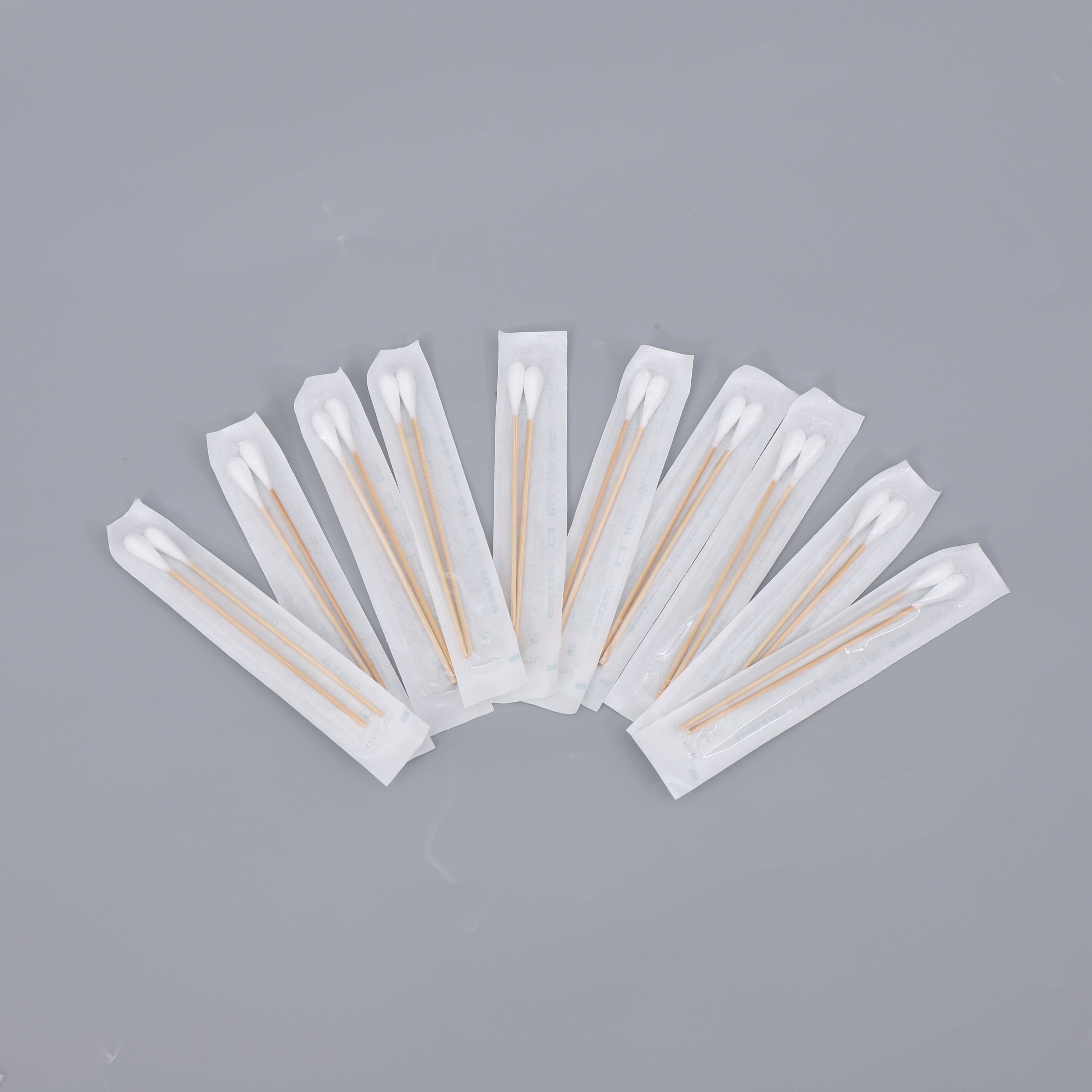
Врат стерилних апликатора за медицинску и лабораторијску употребу мора обезбедити довољну чврстоћу, флексибилност и контролу. Уобичајени материјали за врат укључују пластiku, полипропилен и дрво. Пластични вратови нуде једноликост и мање су склони цепању, што их чини погодним за стерилна окружења.
Дрвене вратове често се бирају због њихове крутиности и економичности, али могу не бити идеални за све лабораторијске примене. Приликом задатака високе прецизности, чак и мали неусаглашености у дебљини врата могу утицати на контролу. Стога, лабораторије често преферирају стерилне апликаторе са пластичним вратом за медицинску и лабораторијску употребу због боље конзистентности.
Структурна стабилност такође утиче на кориснички комфор. Апликатори који се лако савијају или ломе могу угрозити поступке и сигурност. Проценa дизајна врата и ергономије осигурава да стерилни апликатори за медицинску и лабораторијску употребу омогућавају тачно руковање током дужег коришћења.
Компатибилност са хемикалијама и биолошким узорцима
Хемијска и биолошка компатибилност је од суштинског значаја приликом избора стерилних апликатора за медицинску и лабораторијску употребу. Неки материјали могу реаговати са отапачима, дезинфектантима или биолошким узорцима, што може довести до контаминације или нетачних резултата. Познавање компатибилности материјала помаже у избегавању ових ризика.
У лабораторијама за микробиологију и молекуларну биологију, стерилни апликатори за медицинску и лабораторијску употребу не смеју инхибирати раст микроорганизама или ометати анализу ДНК и РНК. Ниски ниво екстраката и минимални остатак су кључни захтеви у таквим условима. Произвођачи који спроводе тестове компатибилности могу обезбедити вредне гаранције.
За примену у здравственој заштити, подједнако је важна компатибилност са антисептицима, мастима и растворима за негу рана. Избор стерилних апликатора за медицинску и лабораторијску употребу који одржавају интегритет у различитим условима осигурава сталну перформансу и безбедност пацијената.
Обезбеђење стерилности и стандарди усклађености
Методе стерилизације и њихове последице
Стерилни апликатори за медицинску и лабораторијску употребу могу се стерилисати коришћењем различитих метода, укључујући гама зрачење, етилен оксид и пару. Свака метода има последице по интегритет материјала, рок трајања и безбедност. Разумевање ових разлика помаже купцима да дођу до информисаних одлука.
Гама зрачење се често користи за једнократне стерилне апликаторе за медицинску и лабораторијску употребу зато што осигурава дубоко продирање и поуздану стерилност. Етилен оксид је погодан за материјале осетљиве на топлоту, али захтева пажљиву контролу како би се избегли остатни гасови. Стерилизација паром, иако ефикасна, можда није компатибилна са свим материјалима апликатора.
Одабир одговарајуће методе стерилизације зависи од захтева примене и услова складиштења. Поуздане фирме јасно наводе процесе стерилизације и обезбеђују документацију, чиме помажу корисницима да провере да ли стерилни апликатори за медицинску и лабораторијску употребу испуњавају регулаторна очекивања.
Интегритет паковања и рок трајања
Pakovanje igra ključnu ulogu u održavanju sterilnosti sterilnih aplikatora za medicinsku i laboratorijsku upotrebu. Individualno pakovanje smanjuje rizik od kontaminacije i idealno je za klinička okruženja, dok se pakovanje u većim količinama može koristiti u kontrolisanim laboratorijskim uslovima.
Materijali za pakovanje moraju obezbediti efikasan barijer protiv vlage, prašine i mikroorganizama. Loše pakovanje može ugroziti sterilnost čak i ako je aplikator inicijalno pravilno sterilisan. Stoga je procena kvaliteta pakovanja jednako važna kao i procena samog aplikatora.
Vek trajanja je još jedan ključni faktor. Sterilni aplikatori za medicinsku i laboratorijsku upotrebu treba da imaju jasno označene rokove trajanja i uputstva za skladištenje. Duži rok trajanja olakšava planiranje zaliha i smanjuje otpad, pogotovo za objekte koji zadržavaju velike količine zaliha.
Regulatorne i kvalitetne certifikacije
Придржавање прописаним стандардима је обавезно за стерилне апликаторе намењене медицинској и лабораторијској употреби. Сертификати као што су ISO стандарди или релевантни прописи о медицинским уређајима обезбеђују сигурност у вези са конзистентним процесима производње и контроле квалитета.
Сертификати о квалитету указују да произвођач прати проверене поступке, од набавке сировина до коначног прегледа. Овај ниво контроле смањује варијабилност и повећава поверење у рад апарата. За лабораторије које теже акредитацији, коришћење сертификованих стерилних апликатора за медицинску и лабораторијску употребу подржава прегледе у складу са захтевима прописа.
Сарадња са произвођачима који стављају на прво место прозрачност и документацију може поједноставити поступке набавке и осигурања квалитета. Јасна ознака, трагабилност серије и извештаји о тестовима доприносе поверењу у стерилне апликаторе за медицинску и лабораторијску употребу.
Избор добаравача и осигуравање сталног квалитета
Процена производних способности
Pouzdanost sterilnih aplikatora za upotrebu u medicinske i laboratorijske svrhe u velikoj meri zavisi od mogućnosti proizvođača. Napredna proizvodna oprema, kontrolisana okruženja i obučeno osoblje doprinose konzistentnom kvalitetu. Procena ovih faktora pomaže kupcima da identifikuju pouzdane partnere.
Proizvođači koji poseduju sopstvene kapacitete za sterilizaciju ili imaju jake partnerstve sa akreditovanim pružaocima usluga sterilizacije često nude bolje rokove isporuke i kontrolu kvaliteta. Njihova sposobnost da prilagode sterilne aplikatore za upotrebu u medicinske i laboratorijske svrhe prema specifičnim zahtevima takođe može biti značajna prednost.
Još jedan važan aspekt je skalabilnost proizvodnje. Kako se potražnja menja, dobavljači moraju biti u stanju da održe kvalitet uz prilagođavanje proizvodnje. Odabir proizvođača sa dokazanim kapacitetima obezbeđuje dugoročnu stabilnost snabdevanja.
Prilagođavanje i rešenja specifična za primenu
Не могу сва подручја примене бити покривена стандардним производима. Могућности прилагођавања омогућавају да се стерилни апликатори за медицинску и лабораторијску употребу прилагоде по величини врха, дужини дршке, паковању и означавању. Ово је посебно важно за специјализоване лабораторијске протоколе или брендоване здравствене материјале.
Прилагођени стерилни апликатори за медицинску и лабораторијску употребу могу побољшати ефикасност тако што прецизно одговарају поступним захтевима. На пример, одређене дужине дршке могу побољшати достизање у тесним просторима, док специфични облици врха могу побољшати тачност узимања узорака.
Добављачи који подржавају прилагођавање показују флексибилност и дубље разумевање потреба крајњих корисника. Такав сараднички приступ често резултира бољим дугорочним партнерствима и ефикаснијим решењима.
Pouzdanost lanca snabdevanja i tehnička podrška
Конзистентна доступност је од суштинског значаја за стерилне апликаторе намењене медицинској и лабораторијској употреби, нарочито у здравственим срединама где недостатак може прекинути негу пацијената. Процена способности добаљача у логистици и праксама управљања залихама помаже у осигуравању непрекидне испоруке.
Техничка подршка је још један често потцењивани фактор. Добаљачи који пружају упутства о избору производа, чувању и употреби додају вредност која иде даље од самог производа. Њихово стручно знање може помоћи корисницима да оптимизују радњу стерилних апликатора за медицинску и лабораторијску употребу.
Јасна комуникација, брза услуга и стабилни рокови испоруке сви доприносе поузданом ланцу снабдевања. Ови фактори на крају крајева подржавају оперативну континуитет и сигурност у свакодневној употреби.
Често постављене питања
Које су најчешће употребе стерилних апликатора за медицинску и лабораторијску употребу?
Sterilni aplikatori za medicinsku i laboratorijsku upotrebu često se koriste za negu rana, uzimanje uzoraka, nanošenje reagenasa, uzorkovanje površina i kontrolisano čišćenje. Njihova univerzalnost ih čini neophodnim u bolnicama, klinikama, istraživačkim laboratorijama i pogonima za kontrolu kvaliteta. Odabir odgovarajućeg tipa osigurava bezbednost, tačnost i pridržavanje propisa u svakoj pojedinačnoj primeni.
Kako treba skladištiti sterilne aplikatore za medicinsku i laboratorijsku upotrebu?
Treba ih čuvati na čistom, suvom mestu, u skladu sa uputstvima proizvođača. Održavanje originalne ambalaže sve do upotrebe je od presudnog značaja za očuvanje sterilnosti. Pogodni uslovi skladištenja pomažu da sterilni aplikatori za medicinsku i laboratorijsku upotrebu ostanu bezbedni i efikasni tokom celokupnog roka trajanja.
Da li su jednokratni sterilni aplikatori za medicinsku i laboratorijsku upotrebu bolji od višekratnih?
Jednokratni sterilni aplikatori za medicinsku i laboratorijsku upotrebu uopšte su pogodniji u medicinskim i laboratorijskim uslovima, jer smanjuju rizik od unakrsne kontaminacije i eliminiraju potrebu za ponovnom sterilizacijom. Ponovno upotrebljivi modeli mogu biti prikladni u ograničenim situacijama, ali zahtevaju stroge postupke čišćenja i validacije.

