 EN
EN


How to select cotton pads for hospital and cosmetic applications?
Selecting the right cotton pads for professional applications requires careful consideration of multiple factors that directly impact both safety and effectiveness. Whether you're managing a healthcare facility, cosmetic clinic, or beauty salon, the choice between different types of disposable medical cotton pads can significantly influence patient outcomes and customer satisfaction. Understanding the specific requirements of your application, from sterility standards to absorption capacity, will guide you toward making informed purchasing decisions that align with both regulatory compliance and operational efficiency.
The medical and cosmetic industries have evolved to demand increasingly sophisticated disposable medical cotton pads that meet stringent quality standards while remaining cost-effective for high-volume applications. Modern healthcare professionals recognize that the quality of consumable supplies directly correlates with treatment outcomes and patient safety protocols. Additionally, cosmetic applications require cotton pads that provide gentle yet effective cleansing without leaving residue or causing irritation to sensitive skin types.
Essential Quality Standards for Medical Applications
Sterility and Contamination Prevention
Medical-grade disposable medical cotton pads must undergo rigorous sterilization processes to eliminate harmful microorganisms that could compromise patient safety. Gamma radiation sterilization remains the gold standard for achieving the sterility assurance level required in critical healthcare applications. Ethylene oxide sterilization represents another acceptable method, particularly for materials that might be sensitive to radiation exposure. The packaging integrity of sterilized products plays an equally important role in maintaining sterility until the moment of use.
Quality control measures during manufacturing include environmental monitoring of production facilities to ensure minimal bioburden before sterilization. Clean room classifications typically range from ISO Class 7 to ISO Class 8 for cotton pad manufacturing, depending on the intended application level. Batch testing protocols verify that each production run meets predetermined sterility standards, with documentation maintained for traceability purposes. Regular audits by regulatory bodies ensure ongoing compliance with established safety protocols.
Material Composition and Purity
The fiber composition of disposable medical cotton pads directly affects their performance characteristics and biocompatibility with human tissue. One hundred percent pure cotton fibers provide optimal absorption properties while minimizing the risk of allergic reactions in sensitive patients. Bleaching processes must use approved methods that eliminate chemical residues, as any remaining bleach compounds could cause tissue irritation or interfere with wound healing processes.
Binding agents and adhesives used in cotton pad construction require careful selection to ensure they meet biocompatibility standards. Some manufacturers utilize thermal bonding techniques that eliminate the need for chemical binders entirely, reducing the potential for adverse reactions. Fiber length consistency affects both absorption capacity and structural integrity, with longer fibers generally providing superior performance in medical applications. Quality testing includes assessments for pH levels, extractable substances, and fiber shedding characteristics.
Cosmetic Industry Specifications
Gentleness and Skin Compatibility
Cosmetic applications require disposable medical cotton pads that provide effective cleansing while maintaining skin health and comfort. The fiber structure must be soft enough to avoid micro-abrasions on delicate facial skin, yet sufficiently structured to remove makeup and impurities effectively. Hypoallergenic properties become particularly important when products will be used on clients with sensitive skin conditions or known allergies to common cosmetic ingredients.
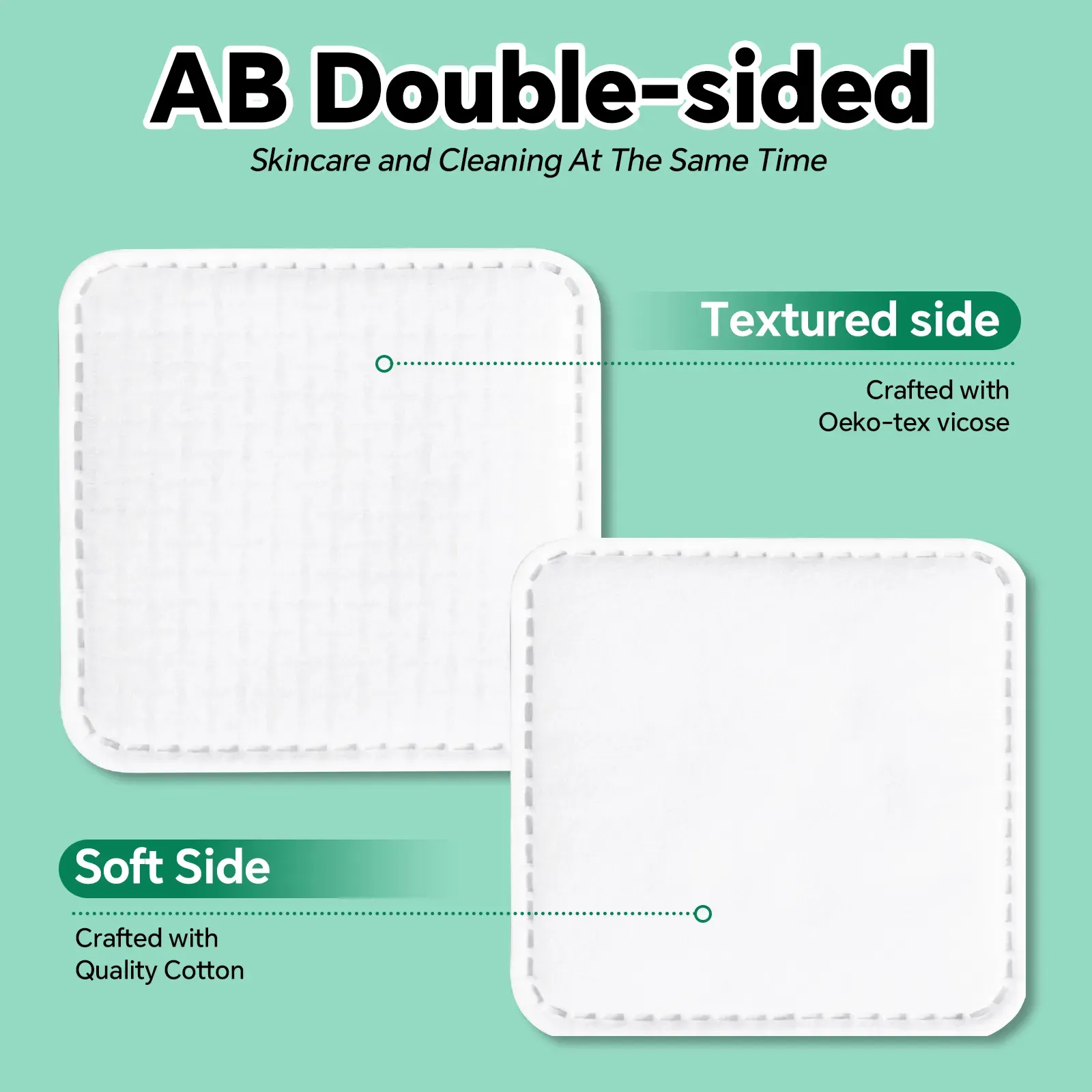
Surface texture variations allow for different cleansing applications, with smooth surfaces ideal for gentle toning and textured surfaces better suited for exfoliation purposes. The lint-free characteristic prevents fiber residue from remaining on the skin after use, which could clog pores or interfere with subsequent cosmetic applications. Dermatological testing confirms that cotton pads meet safety standards for repeated use on facial skin without causing irritation or sensitization reactions.
Absorption and Liquid Retention
Professional cosmetic applications demand cotton pads with superior liquid absorption and retention capabilities to maximize product efficiency. The internal structure must allow for even distribution of cleansing solutions, toners, or treatment products throughout the pad material. High-quality disposable medical cotton pads maintain their structural integrity even when fully saturated, preventing disintegration during use.
Release characteristics determine how effectively absorbed liquids transfer to the skin during application. Optimal products provide controlled release that allows for thorough distribution of active ingredients without excessive dripping or waste. The balance between absorption capacity and release properties varies depending on the specific cosmetic procedure, with some applications requiring high retention and others prioritizing easy release of absorbed materials.
Size and Shape Considerations
Standard Dimensions for Different Applications
Professional-grade disposable medical cotton pads are available in various standardized sizes to accommodate different medical and cosmetic procedures. Round pads typically measure between 50mm to 80mm in diameter, providing adequate coverage for facial applications while remaining manageable for precise work. Square formats offer corner access that proves beneficial for detailed cleaning around wound sites or intricate cosmetic procedures requiring precision application.
Thickness variations range from thin, flexible pads suitable for gentle applications to thick, highly absorbent options designed for wound care or heavy-duty cleansing tasks. Medical applications often require thicker pads that can absorb significant amounts of blood or other bodily fluids while maintaining structural integrity. Cosmetic uses typically favor thinner profiles that conform well to facial contours and provide better control during makeup removal or skincare application processes.
Specialty Shapes for Specific Procedures
Specialized shapes of disposable medical cotton pads address unique procedural requirements in both medical and cosmetic settings. Eye-shaped pads feature contoured edges that fit naturally around the orbital area, making them ideal for eye makeup removal or periocular medical procedures. Triangular pads provide pointed access for precision work in areas where round or square formats prove too bulky or unwieldy for effective use.
Mini pads serve applications requiring detailed work on small areas, such as nail care procedures or spot treatments in dermatological practices. Extra-large formats accommodate procedures requiring extensive coverage or high absorption capacity, such as surgical site preparation or full-face cosmetic treatments. The selection of appropriate pad shapes directly influences both efficiency and comfort during various professional procedures.
Manufacturing Standards and Certifications
Regulatory Compliance Requirements
Manufacturing facilities producing disposable medical cotton pads must adhere to strict regulatory standards that vary by intended application and geographic market. FDA registration requirements for medical devices apply to pads intended for healthcare use, necessitating comprehensive documentation of manufacturing processes, quality control measures, and safety testing protocols. CE marking indicates compliance with European Union safety standards, while other regional certifications may be required for international distribution.
Good Manufacturing Practice guidelines govern every aspect of production, from raw material sourcing through final packaging and distribution. Quality management systems must demonstrate continuous monitoring and improvement of manufacturing processes to ensure consistent product quality. Regular inspections by regulatory authorities verify ongoing compliance with established standards, and any deviations require immediate corrective action and documentation.
Quality Control Testing Protocols
Comprehensive testing protocols ensure that each batch of disposable medical cotton pads meets predetermined quality specifications before release to market. Physical testing evaluates absorption capacity, tensile strength, and dimensional accuracy to verify that products perform as intended. Chemical analysis confirms the absence of harmful substances and verifies that pH levels fall within acceptable ranges for safe skin contact.
Microbiological testing establishes baseline bioburden levels before sterilization and confirms sterility achievement after treatment. Packaging integrity testing ensures that sterile products remain uncontaminated throughout their shelf life under normal storage conditions. Statistical sampling protocols provide confidence that tested samples accurately represent entire production batches, with documented procedures for handling non-conforming products.
Cost Considerations and Bulk Purchasing
Economic Factors in Product Selection
Budget considerations significantly influence the selection of disposable medical cotton pads, particularly for high-volume users such as hospitals, clinics, and beauty salons. Unit cost analysis must account for the total cost of ownership, including factors such as absorption efficiency, which affects the number of pads required per procedure. Higher-quality products may justify premium pricing through reduced waste and improved procedural efficiency.
Volume discounts available through bulk purchasing agreements can substantially reduce per-unit costs for large-scale users. However, storage requirements and shelf life limitations must be considered when determining optimal order quantities. Some facilities benefit from just-in-time delivery arrangements that minimize storage costs while ensuring consistent product availability. Contract pricing agreements provide budget predictability and may include provisions for automatic price adjustments based on raw material costs.
Supplier Evaluation and Relationship Management
Selecting reliable suppliers of disposable medical cotton pads requires evaluation of multiple factors beyond price considerations alone. Supplier certifications, quality management systems, and regulatory compliance history provide insight into their ability to consistently deliver products meeting required specifications. Geographic proximity may influence delivery times and shipping costs, while supplier capacity determines their ability to meet volume requirements during peak demand periods.
Long-term supplier relationships often yield benefits such as priority allocation during supply shortages, customized product development opportunities, and enhanced technical support services. Regular supplier audits verify ongoing compliance with quality standards and identify potential improvement opportunities. Diversified supplier strategies reduce supply chain risk while maintaining competitive pricing through multiple sourcing options.
Storage and Handling Best Practices
Environmental Controls and Contamination Prevention
Proper storage conditions for disposable medical cotton pads directly affect product quality and shelf life, particularly for sterile products used in medical applications. Temperature control prevents degradation of packaging materials and maintains product integrity throughout the storage period. Humidity levels must be controlled to prevent moisture absorption that could compromise sterility or promote microbial growth within packaging systems.
Clean storage environments minimize contamination risk and preserve product quality until use. Air filtration systems remove particulate matter that could contaminate products during handling and storage. Regular cleaning schedules for storage areas prevent accumulation of dust and debris that could compromise product cleanliness. Access controls limit handling to trained personnel who understand proper procedures for maintaining product integrity.
Inventory Management and Rotation Protocols
First-in-first-out rotation procedures ensure that disposable medical cotton pads are used before their expiration dates, minimizing waste and maintaining quality standards. Inventory tracking systems monitor product age and alert users to approaching expiration dates. Automated inventory management reduces human error and ensures adequate stock levels without excessive overstocking that increases storage costs and expiration risks.
Regular inventory audits verify actual stock levels against recorded quantities and identify potential issues such as damage, contamination, or unauthorized use. Documentation systems maintain records of product receipt, storage conditions, and usage patterns to support quality assurance and regulatory compliance requirements. Emergency stock procedures ensure product availability during supply disruptions while maintaining quality standards through proper storage and handling protocols.
FAQ
What sterilization methods are acceptable for medical-grade cotton pads
Medical-grade disposable medical cotton pads typically undergo gamma radiation sterilization or ethylene oxide treatment to achieve the required sterility assurance level. Gamma radiation is preferred for most applications as it provides reliable sterilization without leaving chemical residues. Ethylene oxide sterilization may be used for materials sensitive to radiation, but requires additional aeration time to remove residual gas. Both methods must be validated through biological indicators and regular monitoring to ensure consistent sterility achievement.
How do I determine the appropriate absorption capacity for my application
Absorption capacity requirements depend on the specific procedure and volume of liquid involved in your application. Medical procedures requiring blood absorption typically need higher-capacity disposable medical cotton pads compared to cosmetic applications using small amounts of cleansing solutions. Consider factors such as procedure duration, liquid viscosity, and desired absorption speed when selecting appropriate products. Testing different options in controlled conditions helps determine optimal absorption characteristics for specific applications.
What quality certifications should I look for when selecting cotton pads
Look for FDA registration for medical applications and CE marking for European compliance when selecting disposable medical cotton pads. ISO 13485 certification indicates quality management systems specifically designed for medical devices. Additional certifications may include biocompatibility testing results, sterility validation documentation, and manufacturing facility registrations with relevant regulatory authorities. Supplier quality certifications and third-party audit results provide additional assurance of consistent product quality.
How should sterile cotton pads be stored to maintain their integrity
Sterile disposable medical cotton pads require storage in clean, dry environments with controlled temperature and humidity levels to prevent package deterioration and contamination. Avoid exposure to direct sunlight, extreme temperatures, or areas with high humidity that could compromise packaging integrity. Store products in their original packaging until use, and inspect packages for damage before opening. Maintain first-in-first-out inventory rotation to ensure products are used before expiration dates while preserving sterility throughout the storage period.

