 EN
EN


What benefits do sealed edges offer for sterile medical usage?
In clinical and sterile medical environments, even the smallest detail in material design can have a significant impact on patient safety and procedural outcomes. When it comes to wound care, surgical preparation, and general clinical hygiene, the structural integrity of absorbent materials is non-negotiable. Sealed edge cotton pads have emerged as one of the most reliable solutions available to healthcare facilities seeking to eliminate contamination risks that stem from loose fibers, frayed borders, and compromised sterile barriers. Understanding the precise benefits these sealed edges provide is essential for procurement teams, clinical managers, and medical device suppliers alike.
The term "sealed edge" refers to a manufacturing process in which the perimeter of a cotton pad is heat-bonded, ultrasonically welded, or otherwise sealed to prevent fiber shedding and maintain a uniform, contained structure. Unlike traditional cut-edge pads that can release microscopic cotton fibers into open wounds or sterile fields, sealed edge cotton pads are specifically designed to maintain their form throughout use. This article explores the full spectrum of benefits these pads deliver for sterile medical usage, helping industry professionals make informed purchasing and specification decisions.
The Role of Edge Integrity in Sterile Medical Environments
How Loose Fibers Threaten Sterile Fields
In any sterile medical procedure, the introduction of foreign particles — however small — can lead to complications ranging from local inflammation to post-operative infection. Traditional cotton pads with unfinished or cut edges are known to shed fibers when handled, especially under the mechanical stress of wound cleaning or surface preparation. These shed fibers, if they enter a sterile field or an open wound, can act as irritants or pathogen carriers, undermining the integrity of the entire sterile environment. Healthcare-associated infections (HAIs) remain a global concern, and preventing fiber contamination is one practical step toward reducing that risk.
Sealed edge cotton pads address this problem at the source. By enclosing the cotton material within a bonded perimeter, the design ensures that fibers remain contained regardless of how the pad is manipulated during use. Whether a nurse is applying pressure to a wound, a dental technician is cleaning an oral surface, or a surgeon is prepping an incision site, the pad retains its structural integrity from first touch to final disposal. This reliability is not just a convenience — it is a clinical requirement in settings where contamination control is paramount.
The consistency of edge-sealed pads also reduces variability between individual units. Mass-produced pads with sealed edges offer a uniformity that cut-edge alternatives simply cannot match, providing clinical teams with a predictable and dependable tool that performs the same way every time it is used. This repeatability is a cornerstone of evidence-based clinical practice.
Compatibility with Sterilization Pouches and Packaging Standards
For sealed edge cotton pads to fulfill their promise of sterility, they must be housed within appropriate sterilization packaging that maintains their clean status from manufacturing to point of use. Self-sealing sterilization pouches are the industry-standard solution for this purpose. These pouches, often made with a combination of medical-grade paper and clear film, allow for steam or chemical sterilization while maintaining a protective barrier until the pouch is deliberately opened. When properly packaged, sealed edge cotton pads arrive at the point of care with a verifiable sterility assurance level that meets regulatory expectations.
The compatibility between sealed-edge pad construction and sterilization pouch packaging is not coincidental. When a pad lacks structural edge integrity, the fibers that shed inside the pouch can compromise the inner surface of the packaging material, potentially creating micro-abrasions or blockages that affect sterilization cycles. A sealed edge eliminates this mechanical interference, ensuring that sterilization gases or steam penetrate the packaging evenly and effectively. For dental clinics, surgical centers, and hospital supply chains, this compatibility is a practical and regulatory advantage.
Clinical Benefits of Sealed Edges During Direct Patient Application
Reduced Risk of Foreign Body Retention
One of the most serious and documented risks in surgical and wound care settings is the retention of foreign bodies — material left behind in a wound or cavity. While large items like gauze sponges are tracked through counting protocols, microscopic cotton fibers from standard pads are nearly impossible to account for. The clinical literature recognizes fiber contamination as a contributor to foreign body granulomas, delayed wound healing, and chronic inflammation. Sealed edge cotton pads fundamentally reduce this risk by ensuring no loose fiber can detach and migrate into tissue.
For wound care nurses and surgical teams, this translates to greater confidence during procedures. When a pad is applied to an open wound, a mucous membrane, or a freshly sutured site, the clinician can focus entirely on the therapeutic task rather than managing the risk of material contamination. This peace of mind is supported by the physical design of the pad, not by extra monitoring or corrective steps in the workflow.
In pediatric care, neonatal units, and immunocompromised patient populations, the margin for error is even smaller. Sealed edge cotton pads provide a level of protection that aligns with the heightened sensitivity of these cases, making them a preferred choice in high-acuity clinical environments where the stakes of fiber contamination are highest.
Enhanced Absorbency Without Structural Compromise
A common concern when edge-sealing technology is mentioned is whether the sealed perimeter reduces the effective absorbency of the pad. In well-engineered sealed edge cotton pads, this is not the case. The interior cotton mass remains free and unbonded, retaining its natural capacity to absorb exudate, antiseptic solutions, or blood. The sealed edge acts purely as a containment boundary and does not compress or restrict the core material in a way that reduces function.
In fact, the sealed edge can enhance performance in a secondary way: by preventing the pad from fraying and losing material at its edges, the total volume of absorbent cotton is preserved throughout the procedure. A traditional cut-edge pad that sheds fibers during use is effectively losing some of its absorbent capacity as the material disperses. Sealed edge cotton pads maintain their full material content from application to removal, ensuring consistent performance across the entire surface of the pad.
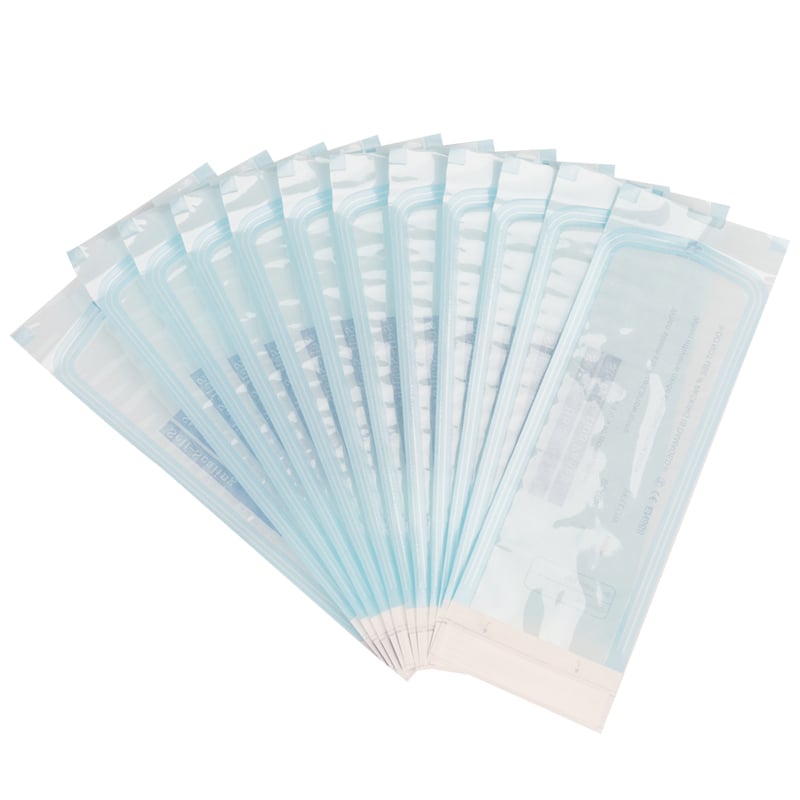
Procurement professionals evaluating absorbency specifications should look at both the weight of the cotton content and the edge construction method. A sealed-edge design that preserves total fiber mass will consistently outperform a same-weight cut-edge pad when measured over the full duration of a procedure or dressing change.
Sterility Assurance and Regulatory Compliance
Meeting International Standards for Medical Consumables
Medical consumables used in sterile procedures must meet a range of international and regional standards that govern packaging integrity, biocompatibility, and sterilization validation. Sealed edge cotton pads that are manufactured under quality management systems such as ISO 13485 and packaged in accordance with ISO 11607 standards are positioned to meet the documentation and traceability requirements that hospitals, dental clinics, and ambulatory surgical centers increasingly demand from their suppliers.
The sealed edge itself contributes to regulatory compliance in a tangible way. Standards governing medical device packaging require that the seal integrity of packaging be maintained throughout the product's shelf life. When the contents of a sterile pouch shed loose fibers due to poor edge construction, this can create internal contamination that compromises the package's sterility status before it is even opened. Sealed edge cotton pads minimize this internal risk and make it easier for manufacturers and end users to demonstrate compliance with seal integrity testing requirements.
For healthcare procurement managers navigating supplier qualification processes, the edge construction method of a cotton pad is a meaningful quality indicator. It signals not only manufacturing capability but also the supplier's understanding of sterile medical environments and their requirements. Requesting sealed-edge specifications in procurement documentation is a straightforward way to raise the baseline quality standard of consumable sourcing.
Traceability and Lot Control in Sterile Supply Chains
Effective sterility assurance depends not only on product design but also on the traceability of individual units through the supply chain. Sealed edge cotton pads packaged in individually labeled sterilization pouches support lot-level traceability, allowing healthcare facilities to track which pads were used in specific procedures and respond efficiently to any quality notifications or recall events. This is a significant advantage over bulk-packaged or loosely distributed pads, which offer no individual-unit accountability.
In dental and surgical settings where procedure documentation is a regulatory obligation, the ability to record the lot number and sterilization date of each pad used in a patient encounter adds a layer of quality assurance that protects both the patient and the provider. Sealed edge cotton pads are often designed with this documentation workflow in mind, featuring packaging labels that include key traceability data in a format compatible with electronic health record systems.
Operational and Procurement Advantages for Healthcare Facilities
Reducing Procedural Waste and Rework
When clinical teams use pads that shed fibers or degrade during application, the procedural response is typically to discard the compromised pad and retrieve a replacement, interrupting the workflow and increasing material consumption. Over time, this pattern generates meaningful waste — both in materials and in clinician time. Sealed edge cotton pads eliminate this cycle by delivering a product that maintains its form and function throughout a single use, without the need for mid-procedure replacement due to structural failure.
This operational reliability also has cost implications that are easy to overlook in unit-price comparisons. A slightly higher per-unit cost for sealed edge cotton pads can be offset by reduced overall consumption, lower disposal volumes, and fewer interruptions to clinical workflows. When procurement teams calculate the total cost of consumable usage rather than focusing solely on purchase price, sealed-edge designs frequently demonstrate a more favorable value proposition than their cheaper, lower-quality counterparts.
Infection control officers and quality managers in healthcare facilities are increasingly aware of the hidden costs of substandard consumables. Adverse events linked to contaminated pads, even minor ones, generate reporting obligations, investigation workloads, and potential reputational consequences. Investing in sealed edge cotton pads from qualified manufacturers is a straightforward risk mitigation strategy that pays dividends across multiple dimensions of facility performance.
Supporting Staff Confidence and Procedural Consistency
Clinical staff who regularly work with high-quality consumables develop a productive relationship with those tools — they know what to expect and can apply them with confidence. When a product behaves inconsistently or requires extra handling to prevent contamination, it introduces cognitive load at a moment when clinicians should be focused entirely on patient care. Sealed edge cotton pads reduce this friction by offering a predictable, reliable interface between the clinician and the patient.
Training new staff is also simplified when the consumables in use are consistently manufactured and behave identically across lots and batches. A nurse or dental hygienist who learns proper technique using sealed edge cotton pads does not need to adjust their approach based on the variability of the material. This consistency supports the broader goals of standardized care delivery and ongoing quality improvement initiatives within healthcare organizations.
From an infection prevention standpoint, standardizing on sealed-edge products also simplifies policy documentation. Infection control protocols can be written around the known characteristics of the materials in use, without the need for caveats or conditional instructions based on product variability. This clarity strengthens compliance and makes audit processes more straightforward for accreditation purposes.
FAQ
What makes sealed edge cotton pads different from standard cotton pads?
Sealed edge cotton pads are manufactured with a bonded or heat-sealed perimeter that prevents fiber shedding during use. Standard or cut-edge pads lack this structural containment, making them more likely to release loose cotton fibers into wounds or sterile fields. The sealed edge preserves the pad's form, absorbency, and sterility status throughout the procedure.
Are sealed edge cotton pads suitable for all types of medical procedures?
Sealed edge cotton pads are suitable for a wide range of sterile applications, including wound cleaning, surgical site preparation, dental procedures, and antiseptic application. Their fiber-containment properties make them particularly valuable in open-wound care, immunocompromised patient settings, and any procedure where maintaining a sterile field is critical. Always verify that the specific pad specification matches the clinical requirements of the procedure.
How should sealed edge cotton pads be stored to maintain sterility?
Sealed edge cotton pads packaged in individual sterilization pouches should be stored in a clean, dry environment away from direct sunlight, humidity, and sources of contamination. Pouches should remain sealed until the point of use, and any package with a compromised seal should be discarded. Following the manufacturer's recommended shelf-life guidelines ensures that sterility assurance levels are maintained through the product's usable life.
What should procurement managers look for when sourcing sealed edge cotton pads?
Procurement managers should evaluate the edge-sealing method (heat bonding, ultrasonic welding, or equivalent), the manufacturing quality management certification (such as ISO 13485), compatibility with standard sterilization pouch packaging, and traceability documentation. Verifying that sealed edge cotton pads meet the biocompatibility and sterility testing requirements relevant to their intended clinical application is also an essential step in the qualification process.

