 EN
EN


Why are cotton balls essential in first aid and wound cleaning?
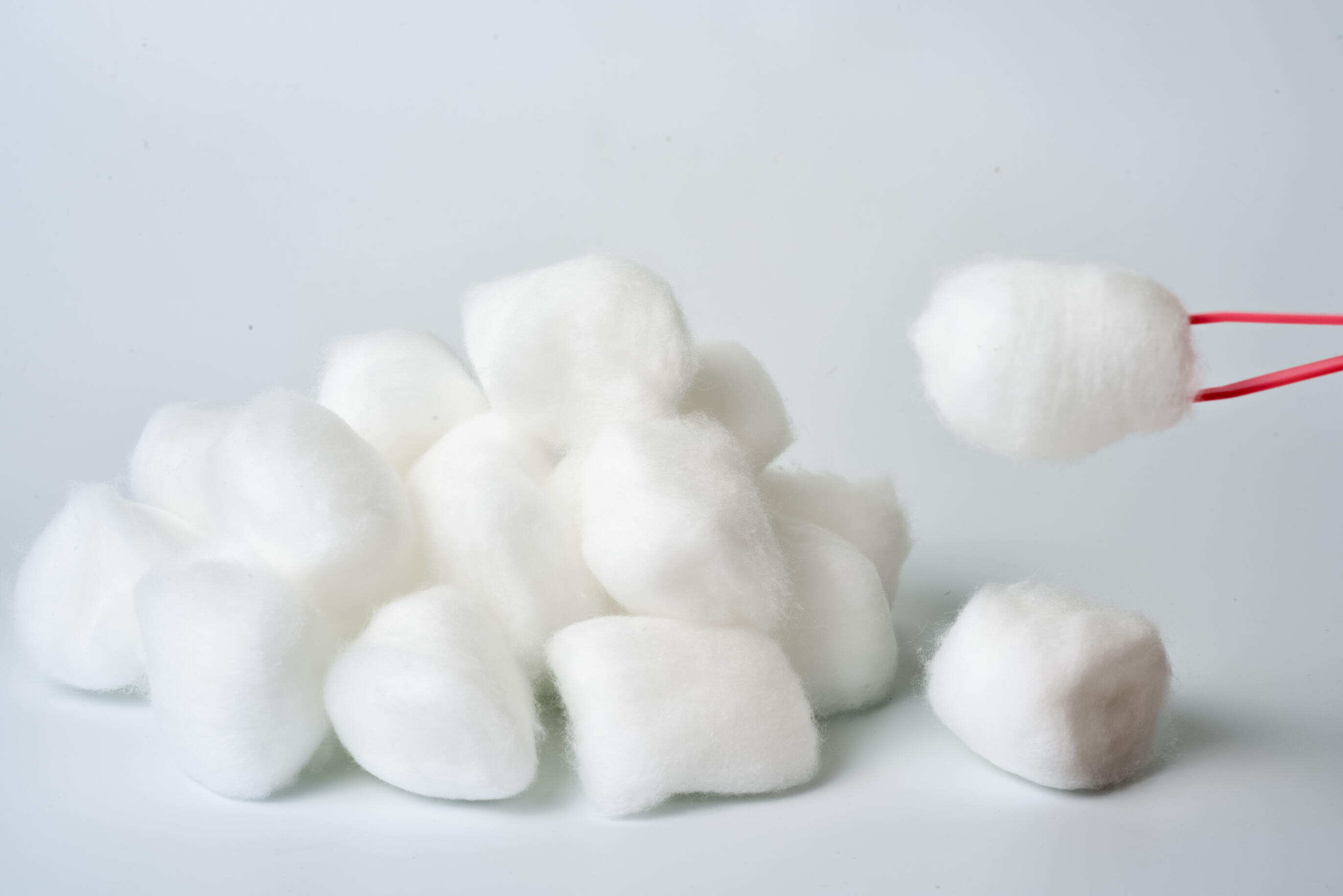
First aid and wound care represent critical components of medical treatment where precision and sterility determine successful outcomes. Among the essential supplies required for effective wound management, sterile medical cotton balls stand as fundamental tools that healthcare professionals and individuals alike depend upon for safe and effective treatment. These specialized cotton products provide the absorbent, non-contaminating surface necessary for cleaning wounds, applying antiseptics, and maintaining proper hygiene during medical procedures. Understanding the vital role that sterile medical cotton balls play in wound care helps ensure optimal healing outcomes while minimizing the risk of infection and complications.
The Science Behind Sterile Cotton Ball Manufacturing
Sterilization Processes and Standards
The manufacturing of sterile medical cotton balls involves rigorous sterilization processes that eliminate harmful microorganisms while preserving the cotton's natural absorbent properties. Medical-grade cotton undergoes gamma radiation sterilization or ethylene oxide treatment, both validated methods that achieve complete sterility without compromising fiber integrity. These processes ensure that each cotton ball meets pharmaceutical standards for medical use, making them safe for direct contact with open wounds and sensitive skin areas. Quality control measures throughout production verify that sterile medical cotton balls maintain consistent density, absorbency, and sterility levels required for professional healthcare applications.
International standards such as ISO 13485 and FDA regulations govern the production of medical cotton products, establishing strict guidelines for material sourcing, manufacturing processes, and packaging requirements. Manufacturers must demonstrate that their sterile medical cotton balls meet specific criteria for bacterial endotoxin levels, residual sterilant content, and physical characteristics including tensile strength and absorption capacity. These comprehensive standards ensure that medical professionals receive cotton balls that perform reliably in critical care situations where contamination could lead to serious patient complications.
Cotton Fiber Selection and Processing
Premium sterile medical cotton balls begin with carefully selected cotton fibers that exhibit superior absorbency and minimal impurities. Raw cotton undergoes extensive purification processes that remove natural oils, waxes, and plant debris that could interfere with absorbent performance or introduce contaminants. The bleaching and scouring processes employed in medical cotton production create uniformly white, highly absorbent fibers that readily accept liquids while maintaining structural integrity during use. This processing ensures that sterile medical cotton balls provide consistent performance characteristics essential for wound care applications.
The carding and forming processes shape individual cotton fibers into compact, round balls with optimal density for medical applications. Advanced manufacturing techniques control fiber orientation and compaction to create cotton balls that resist premature disintegration while maintaining sufficient porosity for rapid liquid absorption. These processing methods result in sterile medical cotton balls that retain their shape during use, preventing fiber shedding that could contaminate wound sites or interfere with healing processes.
Essential Applications in Wound Care Management
Initial Wound Assessment and Cleaning
During the initial stages of wound care, sterile medical cotton balls serve as primary tools for gentle cleaning and debris removal without introducing additional contamination risks. Healthcare providers rely on these sterile implements to safely remove dirt, dried blood, and other foreign materials from wound surfaces before applying antiseptic solutions or dressings. The soft, non-abrasive nature of medical-grade cotton minimizes tissue trauma during cleaning procedures, promoting optimal conditions for natural healing processes to begin effectively.
The absorbent capacity of sterile medical cotton balls enables thorough removal of wound exudate and blood that could harbor bacteria and impede healing progress. Their ability to absorb significant volumes of fluid while maintaining structural integrity prevents cross-contamination between different areas of a wound or between multiple wounds on the same patient. This absorption capability makes sterile medical cotton balls indispensable for managing wounds with moderate to heavy drainage where conventional gauze might prove insufficient or inappropriate for initial cleaning procedures.
Antiseptic Application and Medication Delivery
Applying antiseptic solutions and topical medications requires delivery systems that ensure even distribution while maintaining sterility throughout the application process. Sterile medical cotton balls excel in this role by absorbing antiseptic solutions completely and releasing them gradually during application, ensuring thorough coverage of wound surfaces without waste or contamination. The controlled release characteristics of properly manufactured cotton balls prevent oversaturation that could damage healthy tissue while ensuring adequate antiseptic contact time for effective microbial elimination.
Medical professionals frequently use sterile medical cotton balls for precise application of topical antibiotics, pain management medications, and specialized wound care solutions that require careful dosing and placement. The ability to saturate cotton balls with specific medication volumes allows healthcare providers to deliver consistent therapeutic doses while avoiding systemic absorption risks associated with excessive topical application. This precision in medication delivery makes cotton balls valuable tools for treating localized infections, managing pain, and promoting optimal wound healing outcomes.
Infection Prevention and Control Protocols
Barrier Protection and Contamination Prevention
Maintaining sterile conditions during wound care procedures requires reliable barrier materials that prevent bacterial transmission while allowing necessary medical interventions. Sterile medical cotton balls provide effective barriers between contaminated surfaces and clean wound areas, enabling healthcare workers to maintain aseptic technique during complex procedures. Their single-use design eliminates risks associated with reusable materials that might harbor residual contamination despite cleaning efforts, making them essential components of modern infection control protocols.
The packaging and storage requirements for sterile medical cotton balls ensure they remain contamination-free until the moment of use, supporting comprehensive infection prevention strategies in healthcare facilities. Individual packaging or sealed bulk containers maintain sterility during storage and transport, allowing medical professionals to access sterile supplies immediately when needed for emergency wound care situations. This ready availability of guaranteed sterile materials reduces treatment delays that could compromise patient outcomes or increase infection risks in critical care scenarios.
Cross-Contamination Risk Mitigation
Healthcare-associated infections represent significant concerns in wound care management, making the use of sterile medical cotton balls crucial for preventing cross-contamination between patients and body sites. The single-use nature of cotton balls eliminates risks associated with inadequately sterilized reusable materials that could transfer pathogens between different patients or treatment areas. Medical facilities implementing comprehensive infection control measures recognize cotton balls as cost-effective tools that significantly reduce transmission risks while supporting quality patient care standards.
Proper disposal protocols for used sterile medical cotton balls further support infection prevention efforts by ensuring that contaminated materials are handled and disposed of according to medical waste regulations. These protocols prevent secondary contamination of healthcare environments while protecting sanitation workers and community members from exposure to potentially infectious materials. The integration of cotton ball use with established waste management procedures creates comprehensive safety systems that protect all individuals involved in the healthcare delivery process.
Comparative Analysis with Alternative Materials
Performance Characteristics and Limitations
When compared to alternative wound cleaning materials such as gauze pads, synthetic sponges, or cloth materials, sterile medical cotton balls offer unique advantages in specific clinical applications. Their spherical shape and compact fiber structure provide superior control during precise cleaning procedures, allowing healthcare providers to access irregular wound surfaces and crevices that might be difficult to reach with flat materials. The absorbent capacity of cotton balls often exceeds that of synthetic alternatives while maintaining better cost-effectiveness for single-use applications requiring moderate absorption volumes.
However, sterile medical cotton balls may prove less suitable for certain wound care scenarios requiring high-volume fluid absorption or extended contact time with wound surfaces. Large wounds with significant drainage might require gauze pads or specialized absorbent dressings that can handle greater fluid volumes without frequent replacement. Understanding these performance characteristics helps medical professionals select appropriate materials for specific wound care requirements, optimizing treatment outcomes while managing cost considerations effectively.
Cost-Benefit Analysis in Healthcare Settings
The economic impact of using sterile medical cotton balls in healthcare facilities extends beyond initial purchase costs to include factors such as storage requirements, waste disposal expenses, and staff efficiency considerations. Cotton balls typically offer excellent value for routine wound cleaning procedures due to their low unit cost and minimal storage space requirements compared to bulkier alternatives. Their long shelf life and stable storage characteristics reduce inventory management complications while ensuring reliable availability for urgent care situations.
Healthcare administrators evaluating material selection for wound care protocols must consider the total cost of ownership for sterile medical cotton balls, including training requirements for proper use, disposal costs, and potential liability implications. The standardized nature of cotton ball applications reduces training complexity while the established safety record of medical-grade cotton products minimizes liability concerns associated with material selection decisions. These factors contribute to the continued preference for cotton balls in many healthcare settings despite the availability of newer synthetic alternatives.
Quality Standards and Regulatory Compliance
International Certification Requirements
Global healthcare markets require sterile medical cotton balls to meet stringent certification standards that ensure consistent quality and safety across different manufacturing locations and supply chains. ISO 13485 certification demonstrates that manufacturers maintain quality management systems specifically designed for medical device production, while FDA registration confirms compliance with United States regulatory requirements for medical consumables. These certifications provide healthcare facilities with confidence that their cotton ball supplies meet internationally recognized standards for medical applications.
European CE marking requirements add additional layers of compliance verification for sterile medical cotton balls distributed in European Union markets, ensuring conformity with medical device regulations and safety standards. Manufacturers seeking global market access must navigate complex regulatory landscapes while maintaining consistent product quality across different jurisdictions. This regulatory complexity underscores the importance of selecting cotton ball suppliers with proven track records of compliance and quality management in medical markets.
Testing Protocols and Quality Assurance
Comprehensive testing protocols for sterile medical cotton balls encompass microbiological verification, physical property assessment, and chemical analysis to ensure consistent performance characteristics. Sterility testing using validated methods confirms the absence of viable microorganisms while endotoxin testing verifies that bacterial contamination levels remain below acceptable limits for medical applications. Physical testing evaluates absorption capacity, tensile strength, and dimensional stability to ensure cotton balls perform reliably during clinical use.
Quality assurance programs implemented by reputable manufacturers include statistical process control measures that monitor production variables affecting cotton ball quality throughout manufacturing cycles. These programs identify potential quality deviations before products reach healthcare facilities, preventing distribution of substandard materials that could compromise patient safety. Batch record keeping and traceability systems enable rapid identification and recall of defective products if quality issues are discovered after distribution, supporting comprehensive safety management throughout the supply chain.
Storage and Handling Best Practices
Environmental Control Requirements
Proper storage conditions for sterile medical cotton balls require careful attention to environmental factors that could compromise product integrity and sterility. Temperature control between 15-30°C prevents degradation of cotton fibers while humidity levels below 70% relative humidity prevent moisture absorption that could support microbial growth or packaging deterioration. Healthcare facilities must implement storage area monitoring systems that track environmental conditions and alert staff to deviations that might affect product quality.
Light exposure, particularly ultraviolet radiation, can degrade cotton fibers and packaging materials over time, making controlled lighting conditions important for long-term storage of sterile medical cotton balls. Storage areas should utilize filtered lighting systems that minimize UV exposure while providing adequate illumination for inventory management activities. Proper ventilation systems prevent accumulation of chemical vapors or moisture that could affect product quality while maintaining stable environmental conditions throughout storage periods.
Inventory Management and Rotation Procedures
Effective inventory management for sterile medical cotton balls requires first-in-first-out rotation procedures that ensure older stock is used before newer shipments, preventing expiration of sterile products that could result in waste and potential safety risks. Automated inventory tracking systems help healthcare facilities monitor stock levels, expiration dates, and usage patterns to optimize ordering schedules while minimizing carrying costs. These systems also support compliance with accreditation requirements that mandate proper management of medical supplies and materials.
Staff training programs for handling sterile medical cotton balls must emphasize proper techniques for maintaining package integrity during storage and retrieval operations. Damaged packaging compromises sterility and requires product disposal according to medical waste protocols, making careful handling essential for cost-effective inventory management. Regular auditing of storage areas and handling procedures helps identify potential improvement opportunities while ensuring compliance with established safety protocols throughout the healthcare facility.
FAQ
What makes medical-grade cotton balls different from regular cotton balls?
Sterile medical cotton balls undergo specialized manufacturing processes including purification, bleaching, and sterilization that eliminate impurities and microorganisms not removed in regular cotton ball production. Medical-grade products meet strict pharmaceutical standards for absorbency, sterility, and chemical residue levels, while regular cotton balls may contain oils, debris, or contaminants unsuitable for wound care applications. The sterilization process, typically gamma radiation or ethylene oxide treatment, ensures complete elimination of bacteria, viruses, and fungi that could cause infections when applied to open wounds.
How long do sterile medical cotton balls remain sterile after opening?
Once opened, sterile medical cotton balls maintain sterility only as long as they remain in their original sealed packaging or are used immediately upon removal. Individual cotton balls lose sterility upon exposure to air and environmental contaminants, making them unsuitable for sterile procedures if not used promptly. Healthcare facilities should establish protocols for handling opened packages that minimize exposure time and ensure unused cotton balls are properly disposed of rather than returned to storage, preventing inadvertent use of compromised materials in subsequent procedures.
Can sterile medical cotton balls be used for all types of wounds?
While sterile medical cotton balls are suitable for most routine wound cleaning and antiseptic application procedures, they may not be appropriate for all wound types or clinical situations. Deep puncture wounds, heavily draining wounds, or burns requiring specialized treatment may need alternative materials with different absorption capacities or application methods. Healthcare professionals should assess individual wound characteristics and treatment requirements to determine the most appropriate cleaning and dressing materials, consulting established clinical guidelines and protocols when selecting wound care supplies for specific patient conditions.
What disposal procedures should be followed for used cotton balls?
Used sterile medical cotton balls contaminated with blood, body fluids, or infectious materials must be disposed of as regulated medical waste according to local and federal regulations governing healthcare waste management. These materials should be placed in designated biohazard containers immediately after use, never mixed with regular trash or recycling streams. Healthcare facilities must maintain contracts with licensed medical waste disposal companies that provide proper collection, treatment, and disposal services, ensuring compliance with environmental protection requirements while protecting public health and safety from exposure to potentially infectious materials.

