 EN
EN


Why are disposable medical cotton pads preferred in hygiene care?
Healthcare professionals and patients alike have increasingly turned to disposable medical cotton pads as the gold standard for maintaining optimal hygiene standards in medical environments. These specialized cotton products offer unparalleled benefits in terms of sterility, convenience, and infection control that traditional reusable alternatives simply cannot match. The growing preference for disposable medical cotton pads stems from their ability to eliminate cross-contamination risks while providing consistent quality and performance across diverse medical applications. Medical facilities worldwide have recognized that investing in high-quality disposable medical cotton pads represents a critical component of their infection prevention protocols.
Superior Infection Control and Sterility Standards
Eliminating Cross-Contamination Risks
The single-use nature of disposable medical cotton pads fundamentally eliminates the risk of cross-contamination between patients, making them an essential tool in modern healthcare settings. Unlike reusable cotton materials that may harbor bacteria or pathogens despite thorough cleaning protocols, disposable options ensure that each patient receives a completely sterile product. Healthcare facilities that implement strict infection control measures rely heavily on disposable medical cotton pads to maintain the highest standards of patient safety. The elimination of washing, sterilization, and storage concerns associated with reusable alternatives significantly reduces the potential for human error in hygiene protocols.
Medical professionals appreciate how disposable medical cotton pads remove the uncertainty surrounding the cleanliness of previously used materials. Each pad comes individually packaged or in sterile containers, guaranteeing that contamination has not occurred during storage or transport. This level of assurance is particularly crucial in surgical environments, wound care applications, and procedures involving immunocompromised patients where even minimal bacterial exposure could lead to serious complications.
Maintaining Consistent Quality Standards
Disposable medical cotton pads are manufactured under stringent quality control conditions that ensure uniformity in absorbency, texture, and sterility across every unit produced. This consistency is vital for healthcare providers who need to rely on predictable performance characteristics during critical procedures. The manufacturing processes employed for these products typically involve advanced sterilization techniques such as gamma radiation or ethylene oxide treatment, which guarantee complete elimination of microorganisms.
Quality assurance protocols for disposable medical cotton pads include rigorous testing for lint production, absorption capacity, and structural integrity under various conditions. Medical facilities can trust that each pad will perform identically to the last, enabling standardized procedures and reducing variables that could affect patient outcomes. This reliability factor has made disposable medical cotton pads the preferred choice for applications ranging from routine cleaning to specialized medical treatments.
Enhanced Operational Efficiency in Healthcare Settings
Streamlined Inventory Management
Healthcare facilities benefit significantly from the simplified inventory management that disposable medical cotton pads provide compared to maintaining stocks of reusable cotton materials. The elimination of laundering cycles, sterilization schedules, and quality checks for previously used items allows medical staff to focus their attention on patient care rather than material preparation. Inventory tracking becomes straightforward with disposable products, as facilities can easily calculate usage rates and establish reliable reorder points.
The predictable consumption patterns of disposable medical cotton pads enable healthcare administrators to optimize their supply chain management and reduce carrying costs associated with excess inventory. Storage requirements are minimized since these products typically have extended shelf lives and do not require specialized storage conditions beyond basic temperature and humidity controls. This efficiency translates into cost savings and improved resource allocation throughout medical facilities.
Reduced Labor and Processing Costs
The adoption of disposable medical cotton pads eliminates the substantial labor costs associated with collecting, sorting, washing, sterilizing, and redistributing reusable cotton materials. Healthcare facilities can redirect the time and effort previously spent on these processes toward direct patient care activities, ultimately improving operational efficiency and staff productivity. The hidden costs of utilities, detergents, and sterilization equipment maintenance are completely eliminated when facilities transition to disposable alternatives.
Environmental considerations aside, the immediate financial benefits of reduced processing requirements make disposable medical cotton pads an attractive option for budget-conscious healthcare organizations. The elimination of equipment breakdowns, staff training requirements for sterilization procedures, and quality control testing further contributes to the overall cost-effectiveness of disposable options.
Specialized Design Features for Medical Applications
Advanced Absorption and Retention Properties
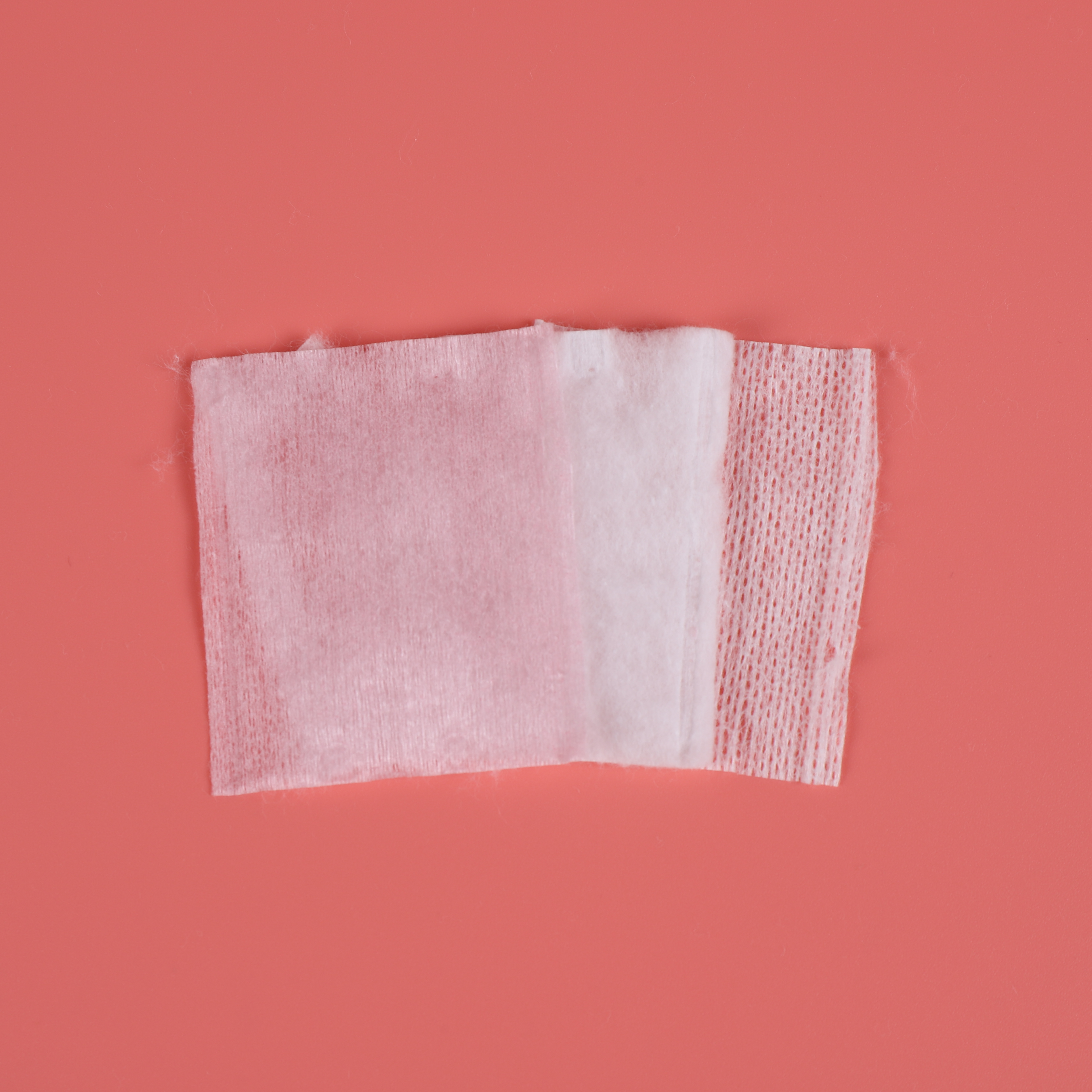
Modern disposable medical cotton pads are engineered with sophisticated fiber structures that optimize fluid absorption while minimizing the risk of fiber separation during use. These products incorporate various cotton fiber lengths and densities to create optimal capillary action for efficient fluid uptake and retention. The specialized manufacturing processes used to create disposable medical cotton pads result in products that can handle significantly more liquid volume than traditional cotton balls or gauze while maintaining their structural integrity.
The retention properties of high-quality disposable medical cotton pads prevent absorbed fluids from being easily squeezed out during application, reducing waste and improving procedural efficiency. This characteristic is particularly valuable in wound cleaning applications where controlled fluid management is essential for optimal outcomes. Medical professionals rely on these advanced absorption properties to ensure thorough cleaning while minimizing the number of pads required for each procedure.
Lint-Free Performance and Material Purity
One of the most critical advantages of premium disposable medical cotton pads is their lint-free construction, which prevents fiber particles from being left behind on treated surfaces or within wounds. This feature is achieved through careful selection of cotton fibers and specialized bonding techniques that secure individual fibers within the pad structure. The absence of loose fibers is crucial for applications involving sensitive tissues or electronic medical equipment that could be compromised by cotton particles.
Material purity standards for disposable medical cotton pads exceed those of many other cotton products, with manufacturers implementing strict controls to eliminate contaminants such as pesticide residues, processing chemicals, or foreign particles. This level of purity ensures that patients with sensitive skin conditions or chemical sensitivities can safely use these products without adverse reactions. The consistent purity achieved through controlled manufacturing processes makes disposable medical cotton pads suitable for the most demanding medical applications.
Versatility Across Medical Specialties
Surgical and Procedural Applications
Disposable medical cotton pads have become indispensable tools across numerous surgical specialties due to their versatility and reliable performance characteristics. In operating rooms, these products serve multiple functions including skin preparation, instrument cleaning, and fluid management during procedures. The sterile nature of disposable medical cotton pads makes them particularly valuable for maintaining aseptic conditions throughout surgical interventions.
Specialized surgical procedures often require cotton pads with specific characteristics such as enhanced absorption capacity or particular size configurations. Manufacturers of disposable medical cotton pads have responded to these needs by developing product lines tailored to specific medical specialties, ensuring that healthcare providers have access to optimal tools for their particular applications. The ability to customize pad specifications while maintaining the benefits of disposable use has further solidified their position as preferred medical supplies.
Wound Care and Patient Comfort
In wound care applications, disposable medical cotton pads provide the gentle touch and superior absorption needed for effective treatment while ensuring patient comfort throughout the healing process. The soft texture and non-adherent properties of quality disposable pads minimize trauma to healing tissues during dressing changes or cleaning procedures. Healthcare providers appreciate how these products can be used confidently on even the most sensitive skin without causing additional irritation or discomfort.
The consistent performance of disposable medical cotton pads allows healthcare professionals to establish standardized wound care protocols that patients can rely upon for predictable comfort levels. This reliability is particularly important for patients requiring frequent dressing changes or ongoing wound management, as it reduces anxiety and improves overall treatment compliance. The peace of mind that comes from knowing each pad is sterile and optimally designed for medical use contributes significantly to positive patient experiences.
Economic Advantages and Cost Considerations
Total Cost of Ownership Analysis
When evaluating the economic impact of disposable medical cotton pads versus reusable alternatives, healthcare facilities must consider the total cost of ownership rather than simply comparing unit prices. The comprehensive cost analysis includes factors such as initial procurement costs, processing expenses, labor requirements, storage needs, and quality assurance activities. Disposable medical cotton pads typically demonstrate superior cost-effectiveness when all these factors are properly accounted for in financial planning models.
The predictable cost structure associated with disposable medical cotton pads enables healthcare administrators to develop more accurate budgets and financial forecasts. Unlike reusable products that may require unexpected replacement due to wear or contamination issues, disposable options provide consistent per-use costs that facilitate precise expense tracking and cost center allocation. This financial predictability is particularly valuable for healthcare organizations operating under tight budget constraints or value-based care contracts.
Risk Mitigation and Liability Considerations
Healthcare facilities face significant liability risks when reusable cotton products fail to meet sterility standards or contribute to healthcare-associated infections. The use of disposable medical cotton pads substantially reduces these risks by eliminating variables associated with cleaning, sterilization, and storage processes that could compromise product safety. Legal and insurance implications of infection control failures make the reliable performance of disposable products an attractive risk mitigation strategy.
The documented quality standards and traceability features built into disposable medical cotton pads provide healthcare organizations with valuable evidence of their commitment to patient safety should liability issues arise. Manufacturers of these products typically maintain comprehensive quality documentation and lot tracking systems that can support healthcare facilities in demonstrating their adherence to best practices and regulatory requirements.
FAQ
What makes disposable medical cotton pads more hygienic than reusable alternatives
Disposable medical cotton pads eliminate the risk of cross-contamination between patients because each pad is used only once and then discarded. Unlike reusable cotton materials that may retain bacteria or contaminants despite cleaning efforts, disposable pads are manufactured under sterile conditions and packaged to maintain their sterility until use. This single-use approach ensures that each patient receives a completely clean product, making disposable medical cotton pads the safer choice for infection control in healthcare settings.
Are disposable medical cotton pads cost-effective for healthcare facilities
Yes, disposable medical cotton pads often prove more cost-effective than reusable alternatives when considering total ownership costs. While the initial unit cost may be higher, facilities save significantly on labor costs for washing, sterilizing, and processing reusable items. Additionally, disposable medical cotton pads eliminate equipment maintenance costs, utility expenses for laundering, and the risk of product loss or damage during processing cycles, resulting in overall cost savings for healthcare organizations.
Can disposable medical cotton pads be used for sensitive skin applications
High-quality disposable medical cotton pads are specifically designed for sensitive skin applications and undergo rigorous purity testing to ensure they contain no harmful chemicals or contaminants. These products are typically made from 100% pure cotton fibers and are hypoallergenic, making them suitable for patients with sensitive skin conditions or chemical sensitivities. The lint-free construction of medical-grade disposable cotton pads also prevents irritation that could be caused by loose fibers.
How do disposable medical cotton pads maintain their sterility during storage
Disposable medical cotton pads maintain their sterility through carefully controlled manufacturing and packaging processes. They are typically sterilized using methods such as gamma radiation or ethylene oxide treatment, then sealed in sterile packaging that prevents contamination during storage and transport. The packaging materials and sealing techniques are designed to maintain sterility for extended periods when stored under appropriate temperature and humidity conditions, ensuring that disposable medical cotton pads remain safe for use throughout their shelf life.

