 EN
EN


Why should hospitals use single-use cotton tipped applicators?
Healthcare facilities worldwide face mounting pressure to maintain the highest standards of patient safety while optimizing operational efficiency. One critical aspect of medical care involves the selection of appropriate medical supplies that minimize infection risks and ensure consistent quality outcomes. Medical cotton tipped applicators represent an essential component of modern healthcare delivery, serving multiple functions across various medical specialties from wound care to specimen collection.
The transition to single-use medical cotton tipped applicators has transformed infection control protocols in hospitals globally. Unlike reusable alternatives, single-use applicators eliminate cross-contamination risks between patients, providing healthcare professionals with reliable tools that maintain sterility throughout each procedure. This shift represents a fundamental change in medical practice standards, prioritizing patient safety above traditional cost considerations.
Hospital administrators increasingly recognize that investing in quality single-use medical supplies generates long-term cost savings through reduced infection rates, shorter patient stays, and decreased liability exposure. The implementation of single-use medical cotton tipped applicators aligns with evidence-based medical practices that emphasize prevention over treatment, creating safer healthcare environments for both patients and medical staff.
Infection Control and Patient Safety Benefits
Elimination of Cross-Contamination Risks
Single-use medical cotton tipped applicators provide an impenetrable barrier against cross-contamination between patients, a critical concern in modern healthcare settings. Traditional reusable applicators, despite rigorous sterilization protocols, carry inherent risks of harboring pathogenic microorganisms in microscopic crevices and fiber matrices. Healthcare-associated infections cost the United States healthcare system billions of dollars annually, making prevention through proper medical supplies selection a financial imperative.
The sterile packaging of single-use medical cotton tipped applicators ensures that each patient encounter begins with completely uncontaminated instruments. This approach eliminates human error factors associated with sterilization processes, equipment malfunctions, and time constraints that may compromise reusable instrument safety. Medical professionals can confidently proceed with procedures knowing that their tools meet the highest sterility standards.
Research demonstrates that single-use medical devices significantly reduce nosocomial infection rates compared to reusable alternatives. The elimination of complex cleaning and sterilization workflows removes multiple potential failure points where contamination might occur, creating a more robust infection prevention system that protects vulnerable patient populations.
Consistent Quality and Performance Standards
Manufacturing standards for single-use medical cotton tipped applicators ensure consistent quality across every unit, eliminating variability that may occur with repeatedly sterilized reusable products. Each applicator maintains optimal cotton tip density, adhesion strength, and structural integrity throughout its single-use lifecycle. This consistency translates into predictable performance characteristics that healthcare professionals can rely upon during critical procedures.
Quality control processes in medical cotton tipped applicator manufacturing include rigorous testing protocols that verify sterility, tensile strength, and cotton purity standards. These comprehensive quality assurance measures ensure that every applicator meets stringent medical device regulations, providing healthcare facilities with confidence in their medical supply choices.
The reliability of single-use medical cotton tipped applicators eliminates concerns about degraded performance due to repeated sterilization cycles. Healthcare professionals can focus entirely on patient care rather than worrying about instrument reliability, improving overall procedural efficiency and patient outcomes.
Economic Advantages for Healthcare Facilities
Reduced Labor and Processing Costs
The adoption of single-use medical cotton tipped applicators eliminates substantial labor costs associated with cleaning, sterilizing, and maintaining reusable instruments. Healthcare facilities typically allocate significant human resources to central sterile processing departments, where skilled technicians spend countless hours processing reusable medical devices. Single-use alternatives redirect these valuable human resources toward direct patient care activities that generate revenue and improve outcomes.
Sterilization equipment maintenance, utility costs, and chemical processing supplies represent hidden expenses that accumulate substantially over time. Single-use medical cotton tipped applicators eliminate these ongoing operational expenses while providing predictable per-unit costs that simplify budgeting processes and financial planning for healthcare administrators.
The time savings achieved through single-use medical cotton tipped applicators enable healthcare professionals to increase patient throughput without compromising care quality. Faster procedure turnaround times translate into improved scheduling efficiency and enhanced revenue generation potential for healthcare facilities operating in competitive markets.
Liability and Risk Management
Single-use medical cotton tipped applicators significantly reduce legal liability exposure related to cross-contamination incidents and device failure events. Healthcare facilities face substantial financial risks from malpractice claims arising from hospital-acquired infections, making prevention through appropriate medical supply selection a critical risk management strategy.
Insurance providers increasingly recognize the risk reduction benefits of single-use medical devices, potentially offering premium discounts to healthcare facilities that implement comprehensive single-use policies. The documented safety profile of single-use medical cotton tipped applicators provides strong legal defense foundations should adverse events occur during patient care.
Regulatory compliance becomes significantly easier with single-use medical cotton tipped applicators, as facilities avoid complex documentation requirements associated with reusable device processing. Simplified compliance procedures reduce administrative burden while ensuring adherence to evolving healthcare regulations and accreditation standards.
Clinical Applications and Versatility
Wound Care and Specimen Collection
Medical cotton tipped applicators serve essential functions in wound assessment, cleaning, and medication application across diverse clinical settings. Their precision design allows healthcare professionals to access confined spaces and apply targeted treatments without disturbing surrounding healthy tissue. The absorbent cotton tips effectively remove debris and exudate while maintaining gentle contact with sensitive wound surfaces.
Specimen collection protocols rely heavily on sterile medical cotton tipped applicators for obtaining cultures from various anatomical sites. Microbiological testing accuracy depends upon proper specimen collection techniques using appropriate tools, making high-quality applicators essential for accurate diagnostic results. Single-use applicators eliminate contamination risks that could compromise test validity and lead to misdiagnosis.
Surgical applications of medical cotton tipped applicators include precise hemostasis control, surgical site preparation, and delicate tissue manipulation. Operating room environments demand absolute sterility and reliable instrument performance, requirements that single-use applicators consistently fulfill throughout complex procedures.
Laboratory and Diagnostic Procedures
Laboratory technicians rely on medical cotton tipped applicators for various analytical procedures requiring precise sample handling and contamination prevention. Cell culture work, molecular diagnostics, and biochemical assays all benefit from the consistent quality and sterility of single-use applicators. The controlled manufacturing environment ensures that applicators meet stringent laboratory standards for analytical accuracy.
Diagnostic imaging procedures often require medical cotton tipped applicators for contrast agent application and site preparation. The precision control afforded by quality applicators enables technicians to achieve optimal imaging results while maintaining patient comfort throughout procedures.
Research applications in academic medical centers demand medical cotton tipped applicators that meet the highest purity standards. Single-use applicators eliminate variables that could compromise experimental validity, supporting the advancement of medical knowledge through reliable research methodologies.
Regulatory Compliance and Standards
FDA Requirements and Medical Device Classification
The Food and Drug Administration classifies medical cotton tipped applicators as Class I medical devices, requiring compliance with specific manufacturing and quality standards. These regulations ensure that single-use applicators meet safety and effectiveness requirements for their intended medical applications. Healthcare facilities must verify that their chosen suppliers maintain proper FDA registration and comply with Good Manufacturing Practices.
Quality management systems for medical cotton tipped applicator manufacturing must adhere to ISO 13485 standards, providing comprehensive frameworks for design controls, risk management, and continuous improvement processes. These international standards create consistency across global supply chains and ensure that healthcare facilities receive products meeting worldwide quality benchmarks.
Biocompatibility testing requirements for medical cotton tipped applicators include cytotoxicity, sensitization, and irritation assessments to ensure patient safety during clinical use. These rigorous testing protocols provide healthcare professionals with confidence that their selected products will not cause adverse reactions in patient populations.
Sterilization and Packaging Standards
Medical cotton tipped applicators undergo validated sterilization processes using gamma radiation, ethylene oxide, or steam methods that achieve sterility assurance levels required for medical device applications. Each sterilization method provides specific advantages for different product configurations and packaging requirements, ensuring optimal sterility maintenance throughout product shelf life.
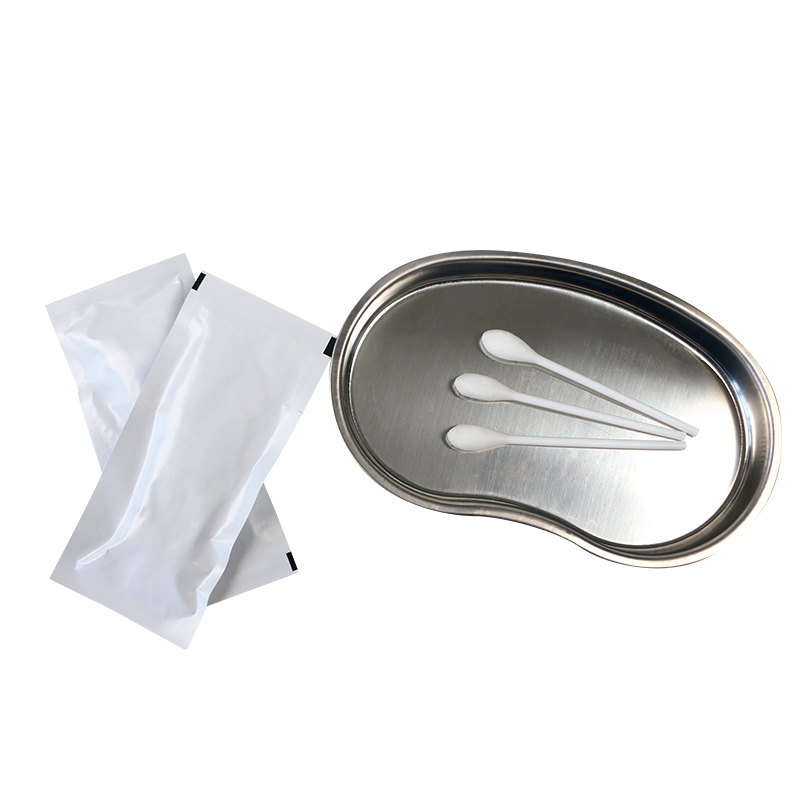
Packaging systems for medical cotton tipped applicators must maintain sterility while providing easy access for healthcare professionals during clinical procedures. Peel-open pouches, individual wrapping, and bulk packaging options accommodate various clinical workflows and storage requirements in healthcare facilities.
Shelf life validation studies demonstrate that properly packaged medical cotton tipped applicators maintain sterility and performance characteristics for extended periods under appropriate storage conditions. This stability provides healthcare facilities with flexibility in inventory management while ensuring product reliability when needed for patient care.
Environmental and Sustainability Considerations
Material Selection and Manufacturing Impact
Modern medical cotton tipped applicators increasingly utilize sustainable materials including biodegradable cotton, bamboo handles, and recyclable packaging components. Manufacturers recognize their environmental responsibilities while maintaining the safety and performance standards required for medical applications. These sustainable approaches balance environmental stewardship with patient safety imperatives.
Energy-efficient manufacturing processes for medical cotton tipped applicators reduce carbon footprints while maintaining quality standards. Advanced production technologies minimize waste generation and optimize resource utilization throughout the manufacturing lifecycle, contributing to more sustainable healthcare supply chains.
Life cycle assessments of medical cotton tipped applicators demonstrate favorable environmental profiles compared to reusable alternatives when considering energy consumption for sterilization, water usage, and chemical processing requirements. These comprehensive analyses inform healthcare facilities making environmentally conscious purchasing decisions.
Waste Management and Disposal
Proper disposal protocols for used medical cotton tipped applicators follow established medical waste management procedures, ensuring safe handling and treatment of potentially contaminated materials. Healthcare facilities benefit from simplified waste classification processes since single-use applicators eliminate the complexity of determining reprocessing versus disposal decisions.
Volume considerations for medical cotton tipped applicator waste remain minimal compared to other medical device categories, making their environmental impact manageable within existing healthcare waste management systems. The compact size and lightweight nature of applicators minimize transportation and storage requirements for waste processing.
Innovative disposal technologies including waste-to-energy systems can effectively process medical cotton tipped applicators while recovering energy value from the materials. These advanced disposal methods contribute to circular economy principles within healthcare systems while maintaining appropriate safety standards.
FAQ
How do single-use medical cotton tipped applicators compare to reusable ones in terms of cost effectiveness
Single-use medical cotton tipped applicators provide superior cost effectiveness when considering total cost of ownership including labor, utilities, sterilization supplies, and risk management factors. While the per-unit cost may appear higher initially, the elimination of processing costs and reduced infection risks generate substantial long-term savings for healthcare facilities.
What quality standards should hospitals look for when selecting medical cotton tipped applicators
Hospitals should verify that medical cotton tipped applicators meet FDA Class I medical device requirements, ISO 13485 quality management standards, and appropriate sterilization validation protocols. Additionally, biocompatibility testing, cotton purity specifications, and handle strength testing should be documented by manufacturers to ensure clinical safety and performance.
Can medical cotton tipped applicators be used for all clinical applications
Medical cotton tipped applicators are suitable for most clinical applications including wound care, specimen collection, medication application, and surgical procedures. However, specific applications may require specialized designs or materials, so healthcare professionals should consult manufacturer specifications and clinical guidelines to ensure appropriate product selection for their intended uses.
How should healthcare facilities manage inventory and storage of single-use medical cotton tipped applicators
Healthcare facilities should store medical cotton tipped applicators in clean, dry environments away from direct sunlight and extreme temperatures to maintain sterility and product integrity. Inventory rotation using first-in-first-out principles ensures optimal shelf life utilization, while standardized storage locations facilitate efficient access during clinical procedures and emergency situations.

