Versatile Clinical Application Range
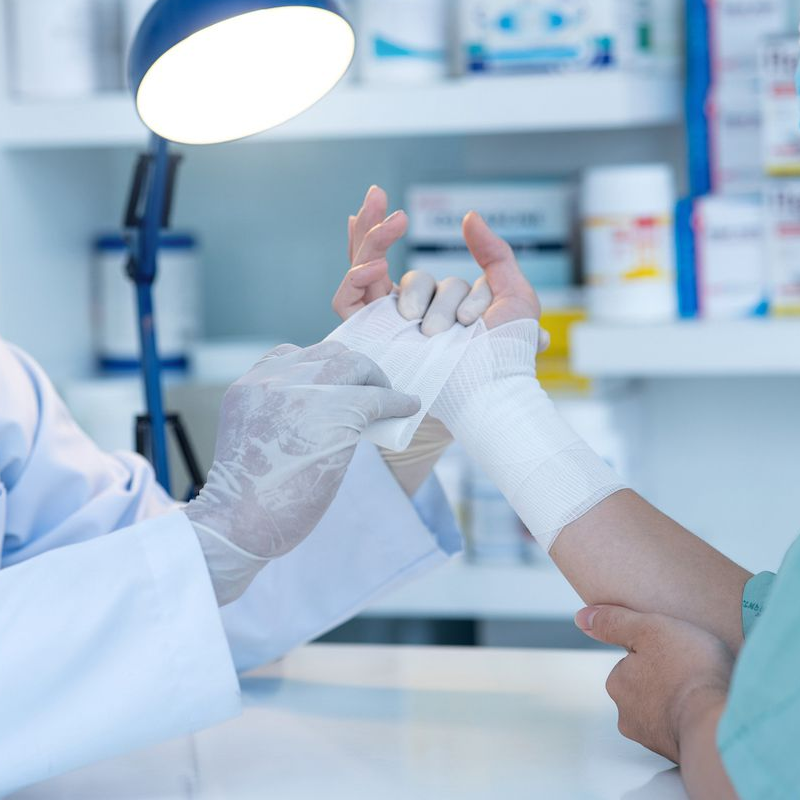
The exceptional versatility of dressing paraffin gauze makes it an indispensable tool across diverse medical specialties and treatment scenarios, offering healthcare providers a single solution for multiple wound care challenges. This adaptability stems from the unique combination of gentle tissue interaction, effective fluid management, and protective barrier properties that suit various wound types, patient populations, and clinical environments. Emergency medicine practitioners rely on dressing paraffin gauze for acute trauma management where rapid, effective wound protection is essential for patient stabilization and transport. The dressing's ability to conform to irregular wound surfaces and body contours makes it particularly valuable in emergency situations where time constraints prevent detailed wound assessment and specialized dressing selection. Surgical teams utilize dressing paraffin gauze extensively for post-operative wound management, appreciating its gentle interaction with healing incisions and surgical sites. The non-adherent properties prove especially beneficial for procedures involving delicate tissue or areas prone to excessive scarring, where traumatic dressing removal could compromise surgical outcomes. Burn treatment centers consider dressing paraffin gauze essential for managing thermal injuries across severity levels, from minor first-degree burns to complex partial-thickness injuries requiring extended treatment periods. The moisture-retentive properties support the natural healing process while protecting exposed nerve endings and preventing infection in vulnerable burn patients. Dermatology practices employ dressing paraffin gauze for treating various skin conditions including chronic ulcers, pressure sores, and post-procedural sites following dermatological surgeries or laser treatments. The gentle nature of the dressing makes it suitable for elderly patients or those with fragile skin conditions where traditional adhesive dressings might cause additional trauma. Pediatric applications benefit from the pain-free removal characteristics, reducing anxiety and trauma associated with wound care in young patients. The versatility extends to home care settings where family members can safely manage dressing changes without specialized training, improving patient outcomes while reducing healthcare costs through decreased clinic visits and professional nursing requirements.



 EN
EN