medical grade absorbent cotton
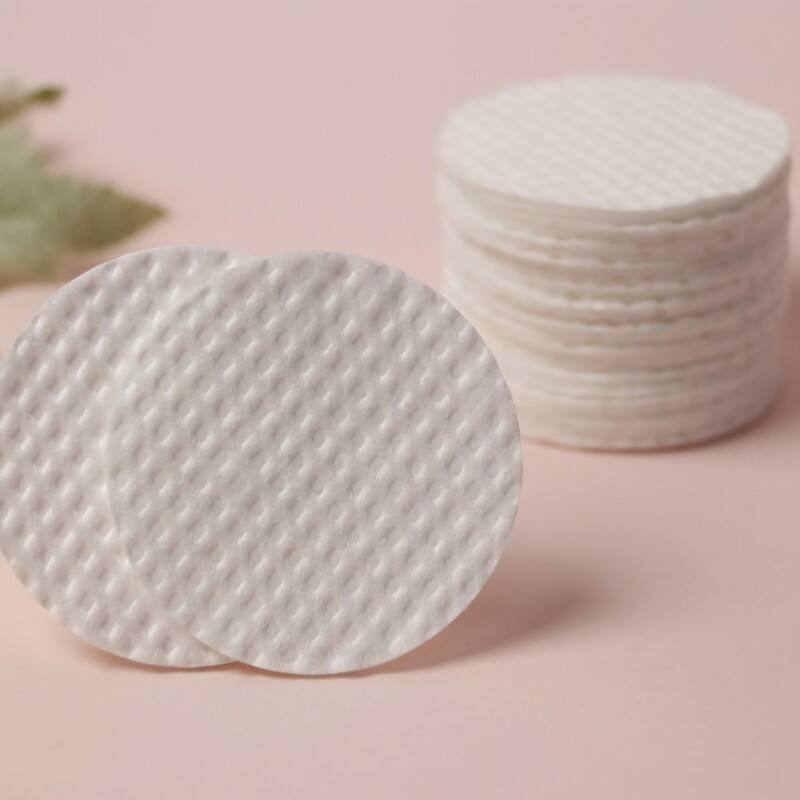
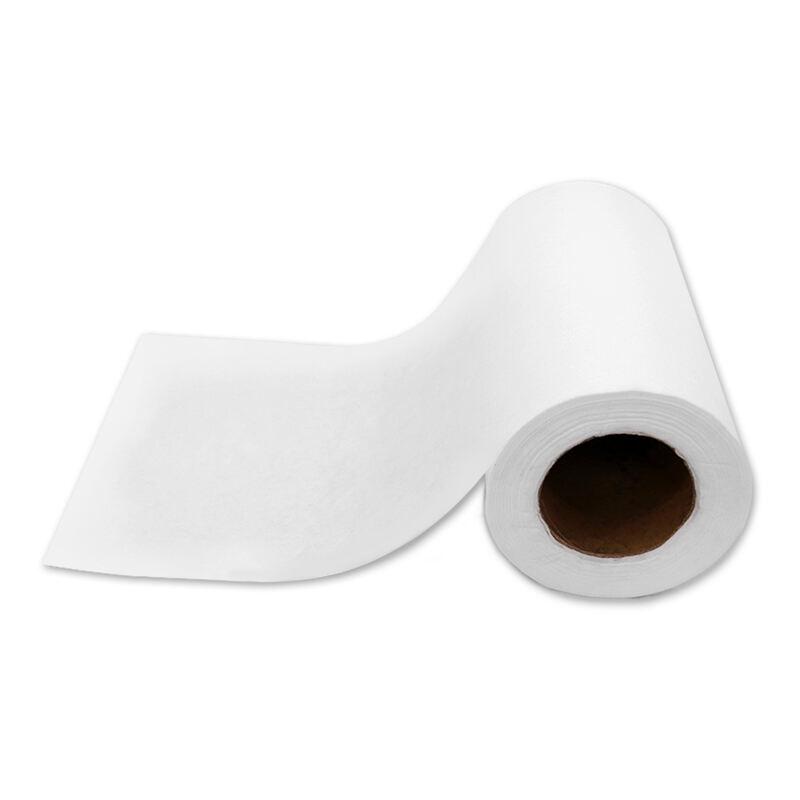
Medical grade absorbent cotton represents a specialized healthcare material engineered to meet stringent safety and performance standards in clinical environments. This premium cotton undergoes rigorous purification processes to eliminate impurities, natural oils, and waxy substances that could interfere with its absorption capabilities or introduce contaminants into sterile medical procedures. The manufacturing process involves bleaching, degreasing, and sterilization procedures that transform raw cotton fibers into a highly refined product suitable for direct patient contact and critical medical applications. Medical grade absorbent cotton exhibits exceptional liquid absorption capacity, typically absorbing 20 to 25 times its own weight in fluids, making it indispensable for wound care management, surgical procedures, and general medical treatments. The cotton fibers are carefully processed to achieve optimal length and uniformity, ensuring consistent performance across different applications. Technological features include enhanced tensile strength that prevents fiber shedding during use, which could otherwise contaminate wounds or surgical sites. The cotton maintains its structural integrity when wet, allowing healthcare professionals to manipulate it confidently during procedures without fear of disintegration. Sterilization compatibility represents another crucial technological aspect, as medical grade absorbent cotton withstands various sterilization methods including gamma radiation, ethylene oxide, and steam autoclaving without compromising its absorption properties or fiber structure. Applications span across multiple healthcare sectors including hospitals, clinics, dental practices, veterinary facilities, and home healthcare settings. Primary uses encompass wound dressing, blood absorption during surgery, cleaning and disinfection of skin surfaces, padding for medical devices, and protection of sensitive areas during medical procedures. The cotton serves as a fundamental component in first aid kits, emergency medical supplies, and routine patient care protocols, demonstrating its versatility and essential role in modern healthcare delivery systems.




 EN
EN