 EN
EN

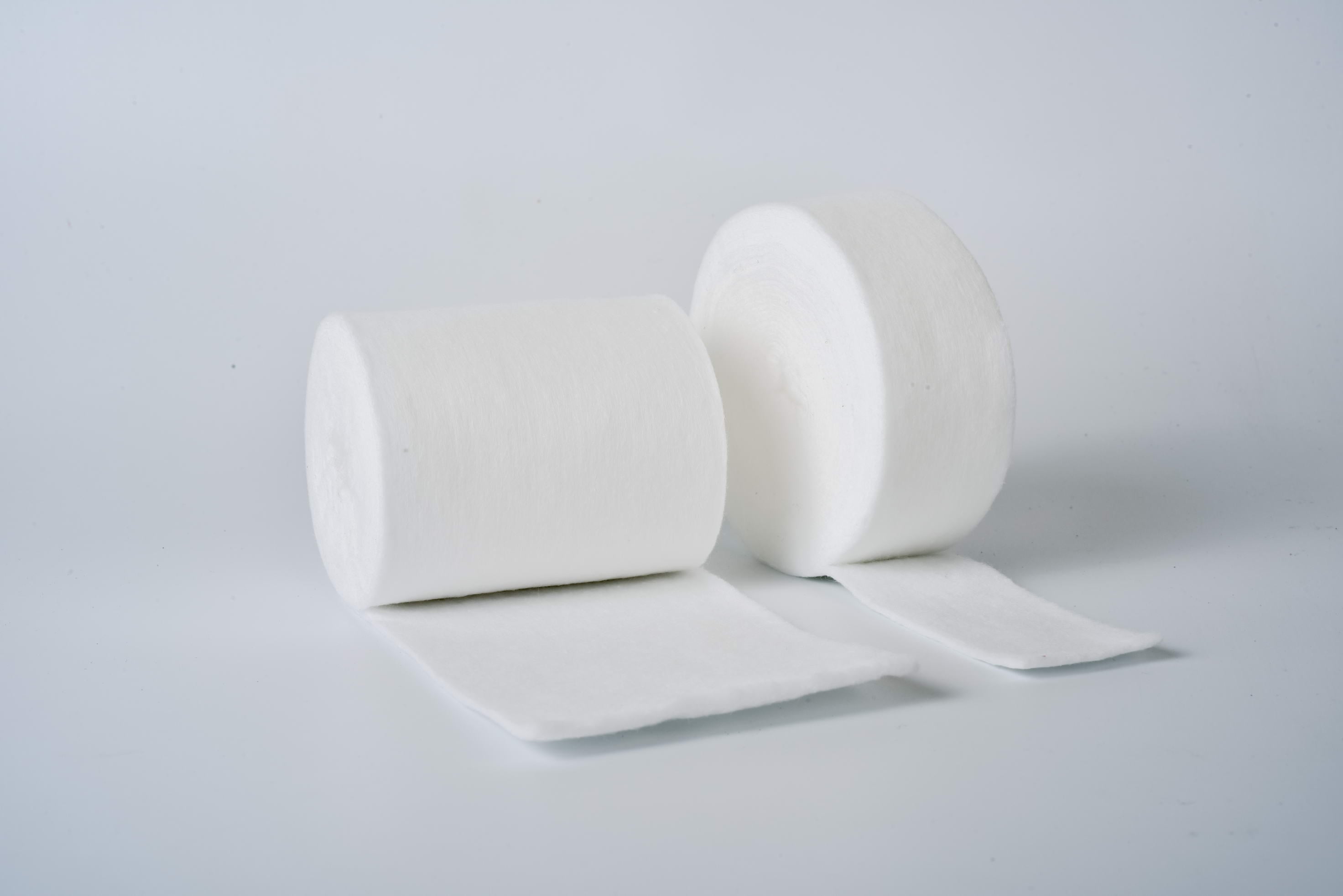
Sensitive skin requires careful attention when selecting personal care products, particularly those that make direct contact with delicate areas. OEKO-TEX certified cotton fabric has emerged as a trusted solution for individuals seeking protection from chemical irritants and harmful substances. This certification represents a rigorous international standard that ensures textiles meet stringent safety requirements, making OEKO-TEX certified cotton fabric an ideal choice for those with reactive or compromised skin barriers.
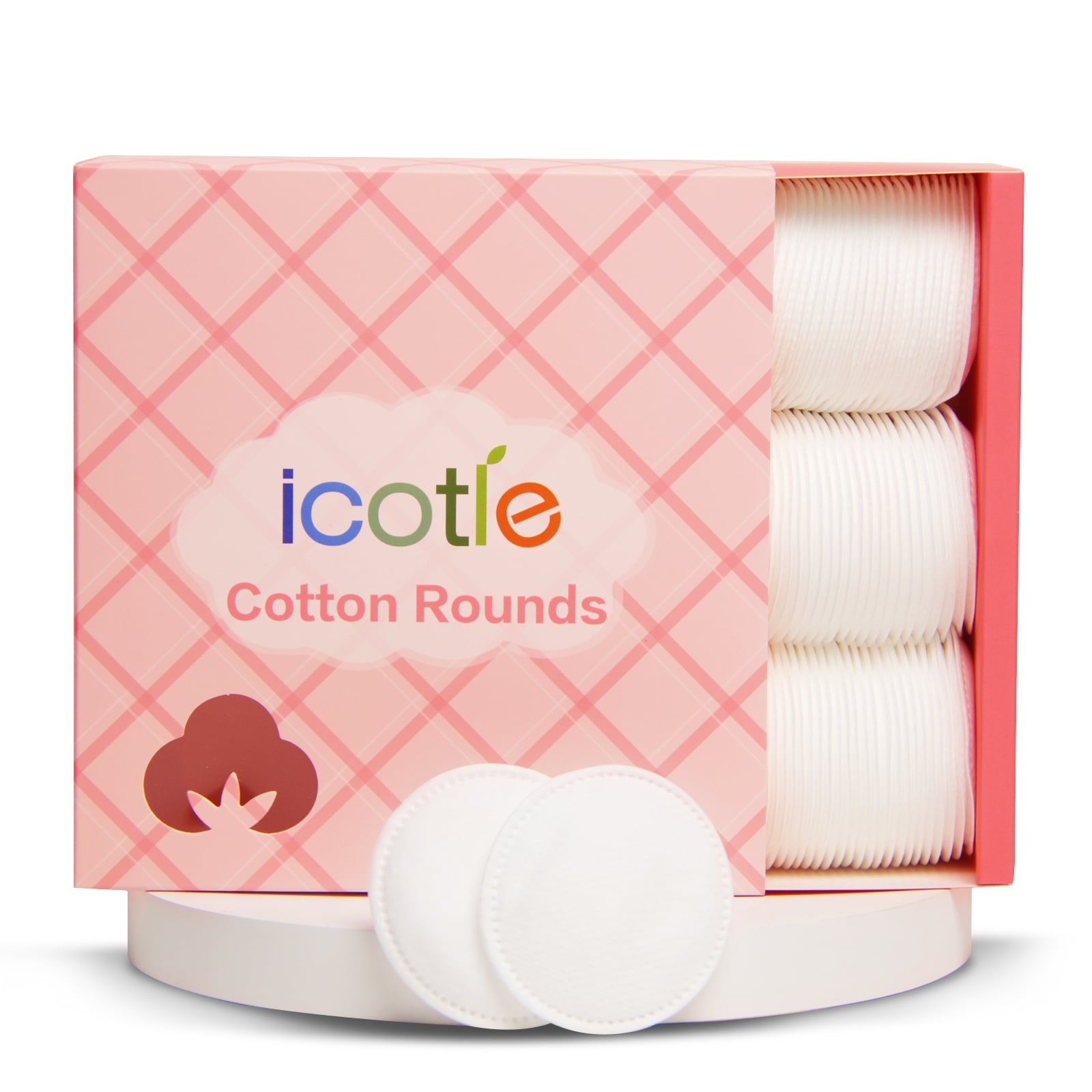
The assurance provided by OEKO-TEX certified cotton fabric extends beyond simple marketing claims. When manufacturers choose to pursue this certification, they commit to testing for prohibited substances, restricted chemicals, and heavy metals that could trigger skin reactions or cause long-term health concerns. Understanding how OEKO-TEX certified cotton fabric delivers this protection helps consumers make informed decisions about products they use daily on vulnerable skin areas.
Understanding the OEKO-TEX Certification Standard
What Makes OEKO-TEX Certified Cotton Fabric Different
OEKO-TEX certified cotton fabric undergoes comprehensive laboratory testing that examines over 300 potentially harmful substances before the fabric receives approval. Unlike generic 'natural' or 'organic' cotton, OEKO-TEX certified cotton fabric is tested for specific parameters that include pesticide residues, heavy metals, formaldehyde, phthalates, and allergens. This systematic approach means that OEKO-TEX certified cotton fabric meets documented safety benchmarks rather than relying on supplier assurances or visual inspection.
The testing protocols for OEKO-TEX certified cotton fabric align with human toxicology principles and dermatological science. Laboratories evaluate whether OEKO-TEX certified cotton fabric could cause skin sensitization, irritation, or allergic reactions when worn against sensitive epidermis. This evidence-based methodology differentiates OEKO-TEX certified cotton fabric from materials that claim safety without third-party verification or standardized testing.
Chemical Screening in OEKO-TEX Certified Cotton Fabric
OEKO-TEX certified cotton fabric must demonstrate the absence of harmful dyes, finishes, and processing chemicals that commonly trigger adverse reactions in individuals with sensitive skin. The certification requires testing for azo dyes, which can break down into carcinogenic amines, and chromium compounds that may cause dermatitis. Each batch of OEKO-TEX certified cotton fabric receives independent verification, ensuring that production variability does not compromise safety standards.
Heavy metal contamination represents another critical concern addressed by OEKO-TEX certified cotton fabric standards. Lead, cadmium, nickel, and other toxic metals can accumulate in processed textiles through dyeing and finishing processes. OEKO-TEX certified cotton fabric suppliers must maintain rigorous supply chain controls to prevent heavy metal exposure, a particularly important safeguard when fabric contacts sensitive facial or intimate skin.
Skin Safety Benefits of OEKO-TEX Certified Cotton Fabric
Reducing Irritation and Allergic Reactions
Individuals with sensitive skin often experience reactions from residual chemicals embedded in conventional cotton fabrics. OEKO-TEX certified cotton fabric eliminates this risk by removing irritating substances before the material reaches end users. For people prone to contact dermatitis, eczema, or chemical sensitivities, using OEKO-TEX certified cotton fabric can mean the difference between comfortable use and uncomfortable skin reactions.
The reduction of allergens in OEKO-TEX certified cotton fabric particularly benefits those with multiple chemical sensitivities. Since OEKO-TEX certified cotton fabric avoids common offenders like formaldehyde-based finishes and synthetic dyes, it provides a predictable and safe option for daily use. This predictability allows individuals with sensitive skin to use personal care products made from OEKO-TEX certified cotton fabric without fear of unexpected reactions.
Long-Term Skin Health Protection
Beyond immediate comfort, OEKO-TEX certified cotton fabric protects long-term skin integrity by avoiding cumulative chemical exposure. Repeated contact with trace pesticides, heavy metals, or synthetic chemicals in conventional cotton can compromise skin barrier function over time. Choosing OEKO-TEX certified cotton fabric for daily-use products reduces this cumulative burden and supports sustained skin health, particularly important for individuals already managing sensitive skin conditions.
OEKO-TEX certified cotton fabric also maintains the natural properties that make cotton beneficial for sensitive skin. Pure cotton's breathability, moisture-wicking capability, and hypoallergenic structure remain intact while harmful additives are removed. This combination of natural fiber advantages plus chemical safety creates an optimal material for sensitive skin applications.
Practical Application and Consideration
Selecting Products Made from OEKO-TEX Certified Cotton Fabric
When purchasing personal care products for sensitive skin, verifying that items are made from OEKO-TEX certified cotton fabric requires checking product labeling and manufacturer certifications. Look for explicit OEKO-TEX certification marks or STeP (Sustainable Textile Production) designations on packaging. Retailers selling products made from OEKO-TEX certified cotton fabric typically highlight this feature prominently, recognizing its value for sensitive skin consumers.
Product documentation should specify OEKO-TEX class level, as OEKO-TEX certified cotton fabric meets different standards depending on intended use. Products meant for baby skin or sensitive adult use require higher safety standards than industrial applications. Verifying the appropriate OEKO-TEX certified cotton fabric classification ensures the product meets safety requirements specifically designed for sensitive skin contact.
Beyond Certification: Complementary Practices
While OEKO-TEX certified cotton fabric provides excellent chemical safety, sensitive skin care extends beyond material selection. Using OEKO-TEX certified cotton fabric products alongside gentle cleansing routines, appropriate moisturization, and avoiding multiple potentially irritating products simultaneously optimizes outcomes. OEKO-TEX certified cotton fabric serves as a foundation for safe personal care, but comprehensive skin health requires holistic attention.
Storage and handling of products made from OEKO-TEX certified cotton fabric also matter for sensitive skin protection. Storing items in cool, dry environments prevents bacterial growth that could compromise skin safety. Using clean hands or implements when handling OEKO-TEX certified cotton fabric products maintains their hygienic integrity and maximizes their protective benefits.
FAQ
Does OEKO-TEX certified cotton fabric mean the product is organic?
OEKO-TEX certified cotton fabric focuses on finished product safety rather than agricultural practices, so certification does not necessarily mean the cotton was grown organically. However, OEKO-TEX certified cotton fabric is free from harmful chemicals regardless of farming methods. For those seeking both organic cotton and OEKO-TEX certified cotton fabric safety, some products combine both certifications, though this represents a different assurance level.
Can OEKO-TEX certified cotton fabric completely prevent skin reactions?
OEKO-TEX certified cotton fabric eliminates the risk of reactions from certified harmful substances, significantly reducing triggers for most sensitive skin individuals. However, personal skin reactions vary, and some individuals may react to natural fiber components or specific processing methods even in OEKO-TEX certified cotton fabric. Testing products on small skin areas before full use remains advisable, particularly for severely compromised skin.
Why is OEKO-TEX certification important for sensitive skin products?
OEKO-TEX certified cotton fabric provides independent verification of chemical safety through standardized testing, eliminating guesswork about what substances contact sensitive skin. Conventional products lack such systematic screening, meaning harmful residues may be present without consumer knowledge. OEKO-TEX certified cotton fabric certification offers transparent, evidence-based assurance that makes it particularly valuable for individuals managing skin conditions or chemical sensitivities.

