 EN
EN

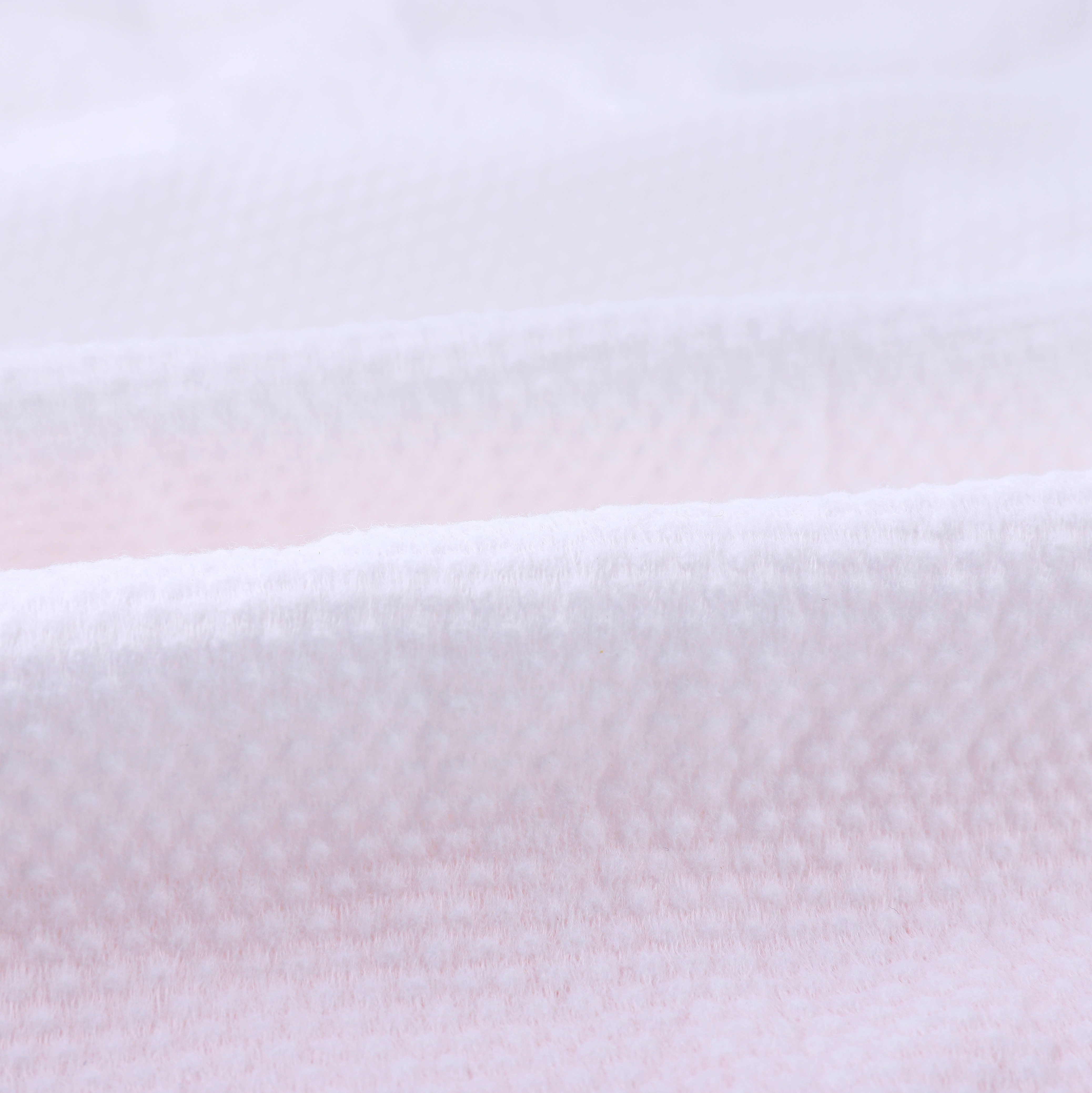
Medical device and textile manufacturers face intense pressure to meet safety standards while maintaining product quality and patient trust. OEKO-TEX certified cotton fabric has emerged as a critical material choice for healthcare applications, offering manufacturers a way to demonstrate commitment to rigorous safety protocols and environmental responsibility. This certification provides tangible benefits that extend beyond compliance, directly influencing product performance, market positioning, and regulatory confidence in the medical sector.
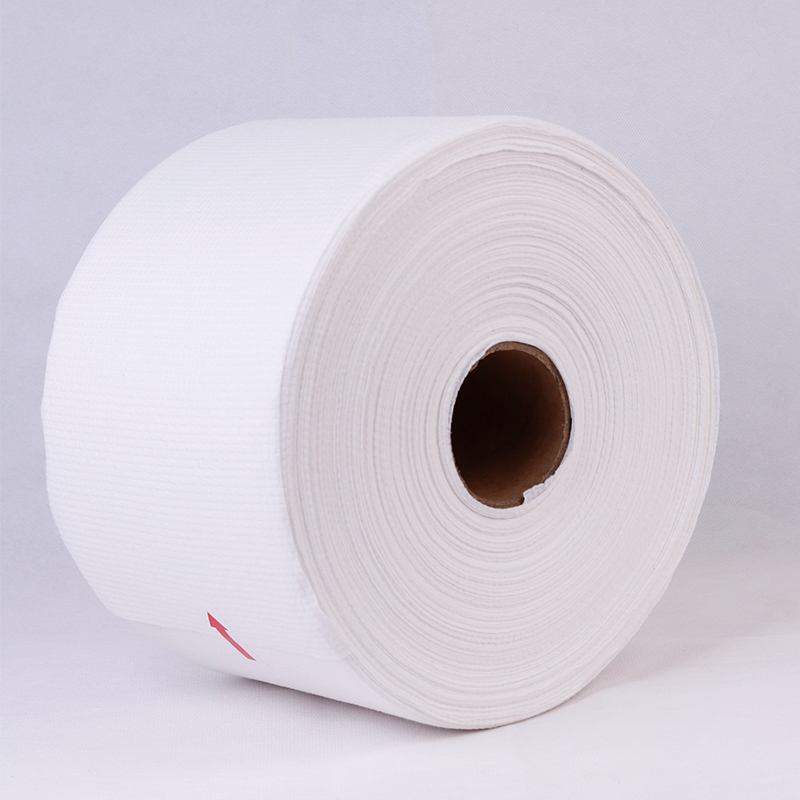
Understanding the specific advantages of OEKO-TEX certified cotton fabric helps medical manufacturers make informed material sourcing decisions. The certification encompasses rigorous testing protocols, harmful substance restrictions, and environmental stewardship that directly improve product safety profiles. For manufacturers producing wound dressings, surgical pads, medical textiles, and patient care products, selecting OEKO-TEX certified cotton fabric translates into enhanced customer confidence and competitive market advantage.
Safety and Compliance Advantages
Harmful Substance Elimination in OEKO-TEX Certified Cotton Fabric
OEKO-TEX certified cotton fabric undergoes extensive testing to eliminate harmful chemical residues, heavy metals, and toxic dyes that could compromise patient safety. The certification standard prohibits substances commonly found in untreated textile production, including azo dyes, formaldehyde, cadmium, and lead. Medical manufacturers using OEKO-TEX certified cotton fabric reduce the risk of adverse patient reactions, skin irritation, and allergic responses associated with chemical contamination. This comprehensive testing framework provides documented evidence of safety compliance that regulatory bodies and healthcare providers increasingly demand.
Regulatory Recognition and Market Access
OEKO-TEX certified cotton fabric offers immediate regulatory recognition in global healthcare markets, particularly in Europe, North America, and developed Asia-Pacific regions. The certification demonstrates compliance with stringent EU textile safety directives and aligns with healthcare procurement standards used by hospitals, clinics, and medical device distributors. Medical manufacturers incorporating OEKO-TEX certified cotton fabric into their production lines unlock access to premium market segments where safety certification serves as a purchasing requirement. This regulatory advantage accelerates market entry timelines and reduces barriers to healthcare facility adoption.
Product Performance and Quality Benefits
Enhanced Durability and Reliability of OEKO-TEX Certified Cotton Fabric
OEKO-TEX certified cotton fabric demonstrates superior durability characteristics because the certification process ensures consistent fiber quality and processing standards. Medical manufacturers producing wound dressings, surgical pads, and absorbent textile products benefit from predictable performance in sterilization cycles, repeated laundering, and clinical use environments. The standardized quality of OEKO-TEX certified cotton fabric reduces product inconsistency, minimizes defect rates, and improves patient safety outcomes. Manufacturers can confidently specify performance parameters when sourcing OEKO-TEX certified cotton fabric, knowing that batch-to-batch variation remains within acceptable limits.
Biocompatibility and Patient Comfort
OEKO-TEX certified cotton fabric provides superior biocompatibility for products in direct contact with sensitive skin and wound sites. The certification eliminates residual chemicals that can trigger inflammatory responses or delayed allergic reactions in vulnerable patient populations. Medical manufacturers using OEKO-TEX certified cotton fabric report improved clinical outcomes, reduced adverse event reports, and enhanced patient satisfaction scores. The natural breathability and moisture-wicking properties of OEKO-TEX certified cotton fabric are preserved through the certification process, maintaining the therapeutic benefits that medical professionals expect from premium cotton textile solutions.
Brand Value and Market Differentiation
Building Customer Trust Through OEKO-TEX Certified Cotton Fabric
Healthcare providers and patients increasingly prioritize products manufactured with certified safe materials. OEKO-TEX certified cotton fabric serves as a transparent, third-party validated marker of quality commitment that differentiates medical manufacturers from competitors using untested or uncertified materials. Marketing products featuring OEKO-TEX certified cotton fabric provides tangible proof points for safety claims, strengthening brand reputation and customer loyalty. Medical device companies incorporating OEKO-TEX certified cotton fabric into their product lines communicate a patient-centered philosophy that resonates with modern healthcare procurement practices.
Sustainability Integration and Environmental Responsibility
Beyond safety, OEKO-TEX certified cotton fabric represents commitment to environmental stewardship throughout the supply chain. The certification includes ecological criteria requiring responsible water management, restricted chemical usage, and sustainable production practices. Medical manufacturers using OEKO-TEX certified cotton fabric address growing healthcare facility demands for sustainable sourcing and environmental accountability. This alignment with sustainability goals enhances corporate reputation, supports healthcare system environmental commitments, and positions medical manufacturers as responsible industry leaders.
Practical Implementation Considerations
Supply Chain Integration with OEKO-TEX Certified Cotton Fabric
Medical manufacturers must establish reliable supplier relationships to consistently source OEKO-TEX certified cotton fabric that meets production volume requirements and delivery timelines. Developing supplier qualification processes ensures that OEKO-TEX certified cotton fabric batches maintain certification validity and meet documentation standards for healthcare compliance audits. Quality assurance teams should implement incoming inspection protocols specific to oeko-tex certified cotton fabric to verify certification documentation and fiber quality before production incorporation. Successful integration requires clear communication with suppliers regarding specification requirements, batch traceability, and certification documentation protocols.
Cost-Benefit Analysis and Market Positioning
While OEKO-TEX certified cotton fabric may command premium pricing compared to uncertified materials, the commercial benefits often justify the investment through improved market access, reduced regulatory risk, and enhanced product positioning. Medical manufacturers can recoup material cost premiums through improved product pricing, access to premium healthcare segments, and reduced compliance-related expenses. The cost of OEKO-TEX certified cotton fabric should be evaluated within the context of total product development economics, including regulatory compliance expenses, quality assurance costs, and market opportunity value.
FAQ
What specific harmful substances does OEKO-TEX certified cotton fabric exclude?
OEKO-TEX certified cotton fabric is tested and certified to exclude over 300 harmful substances including azo dyes, formaldehyde, cadmium, lead, nickel, chromium, pesticide residues, and phthalates. The testing protocols address both intentionally added chemicals and incidental contaminants that may accumulate during production. Medical manufacturers can reference specific test reports accompanying OEKO-TEX certified cotton fabric to demonstrate compliance with pharmaceutical and healthcare industry safety standards. The extensive substance exclusion list ensures that OEKO-TEX certified cotton fabric meets the most stringent safety requirements across global healthcare markets.
How does OEKO-TEX certification impact product sterilization processes?
OEKO-TEX certified cotton fabric maintains structural integrity and performance characteristics throughout standard sterilization methods including steam autoclaving, ethylene oxide gas, and radiation treatments commonly used in medical device manufacturing. The certification ensures that OEKO-TEX certified cotton fabric does not release harmful substances or degrade when exposed to sterilization conditions that would compromise product safety or functionality. Medical manufacturers can confidently validate sterilization protocols without concerns that OEKO-TEX certified cotton fabric will generate problematic chemical residues during the sterilization process. This compatibility simplifies validation timelines and reduces the risk of sterilization-related product failures.
Is OEKO-TEX certified cotton fabric suitable for all medical textile applications?
OEKO-TEX certified cotton fabric is highly suitable for direct patient-contact applications including wound dressings, surgical pads, medical garments, incontinence products, and absorbent medical textiles. Applications requiring extended skin contact or wound site contact benefit most from the safety profile of OEKO-TEX certified cotton fabric. Some specialized medical applications may require additional certifications or material specifications beyond OEKO-TEX certified cotton fabric properties, such as antimicrobial functionality or advanced fluid barriers. Medical manufacturers should evaluate specific product requirements and regulatory pathways to determine whether OEKO-TEX certified cotton fabric alone meets application needs or whether combination materials are necessary.

