Vynikající možnosti přizpůsobení
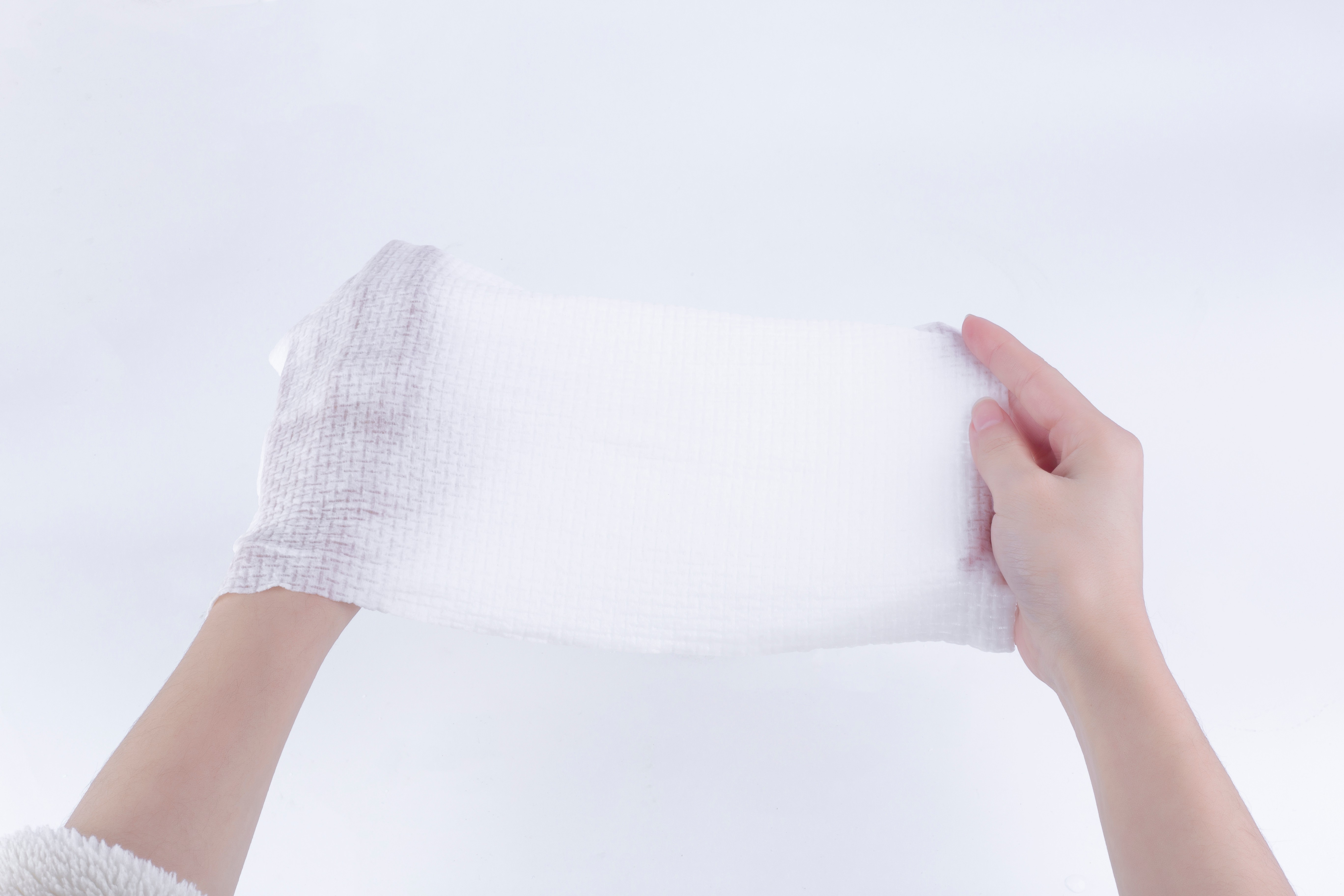
Výjimečné možnosti přizpůsobení vlastní výrobě netkaných materiálů metodou waterjet poskytují výrobcům i koncovým uživatelům bezprecedentní flexibilitu při tvorbě textilních materiálů přizpůsobených konkrétním aplikačním požadavkům a výkonnostním kritériím. Toto přizpůsobení zahrnuje množství parametrů, jako je výběr vláken, struktura tkaniny, podmínky zpracování a dokončovací úpravy, což umožňuje vývoj specializovaných produktů z netkaného materiálu waterjet, které optimalizují výkon pro konkrétní použití a zároveň zachovávají nákladovou efektivnost a efektivitu výroby. Při výběru vláken pro netkaný materiál waterjet mohou výrobci použít prakticky jakýkoli typ krátkého vlákna, včetně přírodních vláken, jako je bavlna, vlna a konopí, syntetických vláken jako polyester, polypropylen a nylon, stejně jako speciálních vláken jako uhlíková vlákna, aramid nebo biologicky odbouratelné polymery. Tato univerzalita ve výběru vláken umožňuje vytvářet netkané materiály waterjet s konkrétními výkonnostními vlastnostmi, jako je zvýšená pevnost, lepší odolnost vůči chemikáliím, vynikající tepelné vlastnosti nebo specializované povrchové vlastnosti. Navíc mohou výrobci vytvářet vlastní směsi vláken, které kombinují výhody různých typů vláken, čímž vznikají netkané materiály waterjet s optimalizovanými výkonnostními profily, jichž nelze dosáhnout použitím jediného typu vlákna. Možnosti strukturálního přizpůsobení netkaného materiálu waterjet zahrnují přesnou kontrolu tloušťky tkaniny, hustoty, pórovitosti a povrchové textury prostřednictvím úpravy procesních parametrů, jako je tlak vody, konfigurace trysky, rychlost zpracování a metody přípravy vlákenného webu. Tyto proměnné umožňují výrobcům vyrábět netkané materiály waterjet od lehkých, vysoce pórovitých materiálů vhodných pro filtrační aplikace až po husté a pevné tkaniny určené pro průmyslové nebo automobilové použití. Schopnost vytvářet gradientní struktury s různými vlastnostmi napříč tloušťkou tkaniny poskytuje další možnosti přizpůsobení pro aplikace vyžadující specifické výkonnostní profily. Optimalizace procesních podmínek umožňuje výrobcům jemně doladit vlastnosti netkaného materiálu waterjet tak, aby přesně splňovaly požadavky konkrétních aplikací, včetně řízení orientace vláken, hustoty zapletení a povrchových vlastností. Tato úroveň přizpůsobení zajišťuje, že každý produkt z netkaného materiálu waterjet poskytuje optimální výkon pro své zamýšlené použití a zároveň zachovává efektivitu výroby a nákladovou efektivnost po celý výrobní proces.




 EN
EN