 EN
EN


Miksi imeytävä puuvillarulla on vakiintunut osa maailmanlaajuisia lääkinnällisiä tarvikkeita?
Terveydenhuollon laitoksissa ympäri maailmaa tietyt tarvikkeet ovat edelleen välttämättömiä riippumatta teknologisista edistysaskeleista tai muuttuvista protokollista. Näiden välttämättömien tuotteiden joukossa lääketieteelliset imevätkangas- puuvillarulliin erottautuvat peruskomponentteina, jotka tukevat potilashoitoa useilla eri erikoisaloilla. Hätähuoneista leikkaussaleihin nämä monikäyttöiset tuotteet tarjoavat luotettavuuden ja turvallisuuden, joihin terveydenhuollon ammattilaiset luovat päivittäin luottamustaan. Maailmanlaajuinen lääketieteellinen teollisuus tunnustaa edelleen korkealaatuisten imeväisten puuvillatuotteiden ratkaisevan tärkeyden sterilien ympäristöjen ylläpitämisessä ja tehokkaiden potilashoitojen tukemisessa.
Lääketieteellisen laadun puuvillan olennaiset ominaisuudet Tuotteet
Ylivoimaiset Imukykyominaisuudet
Lääketieteellisiä imeviä puuvillarullia erottaa tavallisista puuvillatuotteista etenkin niiden poikkeuksellinen imevyyskyky. Nämä erikoismateriaalit käsitellään tiukkojen vaatimusten mukaisesti, jotta niiden kyky imeä nopeasti kehon nesteitä, lääkkeitä ja puhdistusliuoksia maksimoituisi. Lääketieteellisissä laitoksissa vaaditaan puuvillatuotteita, jotka kestävät merkittäviä nestemääriä kompromisoimatta rakenteellista eheytään tai jättämättä jäljelle säikeitä hoitopintojen pinnalle.
Lääketieteellisten imeväpullojen valmistusprosessit sisältävät huolellisen kuituvalinnan ja käsittelyprotokollat, jotka parantavat luonnonpuuvillan luonnollisia imevyysominaisuuksia. Puuvilla käsitetään valkaisu- ja puhdistusmenetelmin, joilla poistetaan epäpuhtauksia säilyttäen samalla materiaalin pehmeä tekstuurinen ja imevä laatu. Tämä erityiskäsittely takaa, että terveydenhuollon ammattilaiset voivat luottaa tuotteiden yhtenäiseen suorituskykyyn eri sovelluksissa ja potilashoito-tilanteissa.
Steriiliys ja turvallisuusstandardit
Lääketieteellisissä ympäristöissä vaaditaan ehdottomaa noudattamista steriiliysprotokollia, mikä tekee imeväpuuvillatuotteiden turvallisuusstandardeista erityisen tiukat. Valmistajien on noudatettava kansainlisia lääkintälaitteita koskevia säädöksiä ja laadunhallintajärjestelmiä varmistaakseen, että tuotteet täyttävät sairaalatasoiset vaatimukset. Nämä standardit kattavat kaikki tuotantoprosessin osa-alueet, alkaen raaka-aineiden hankinnasta loppupakkaukseen ja sterilointimenetelmiin asti.
Laadunvalvontatoimet lääketieteellisille imeväisille puuvillarullille sisältävät laajaa mikrobisaastumisen, kemiallisten jäämien ja fyysisten ominaisuuksien testaamista. Jokainen erä tarkastetaan huolellisesti varmistaakseen, että puuvilla täyttää vaatimukset imevyys-, vetolujuus- ja pH-tasoissa. Terveydenhuollon laitokset luottavat näihin tiukkoihin laadunvarmistusprosesseihin potilasturvallisuuden varmistamiseksi ja infektioriskien ehkäisemiseksi lääketieteellisissä toimenpiteissä.
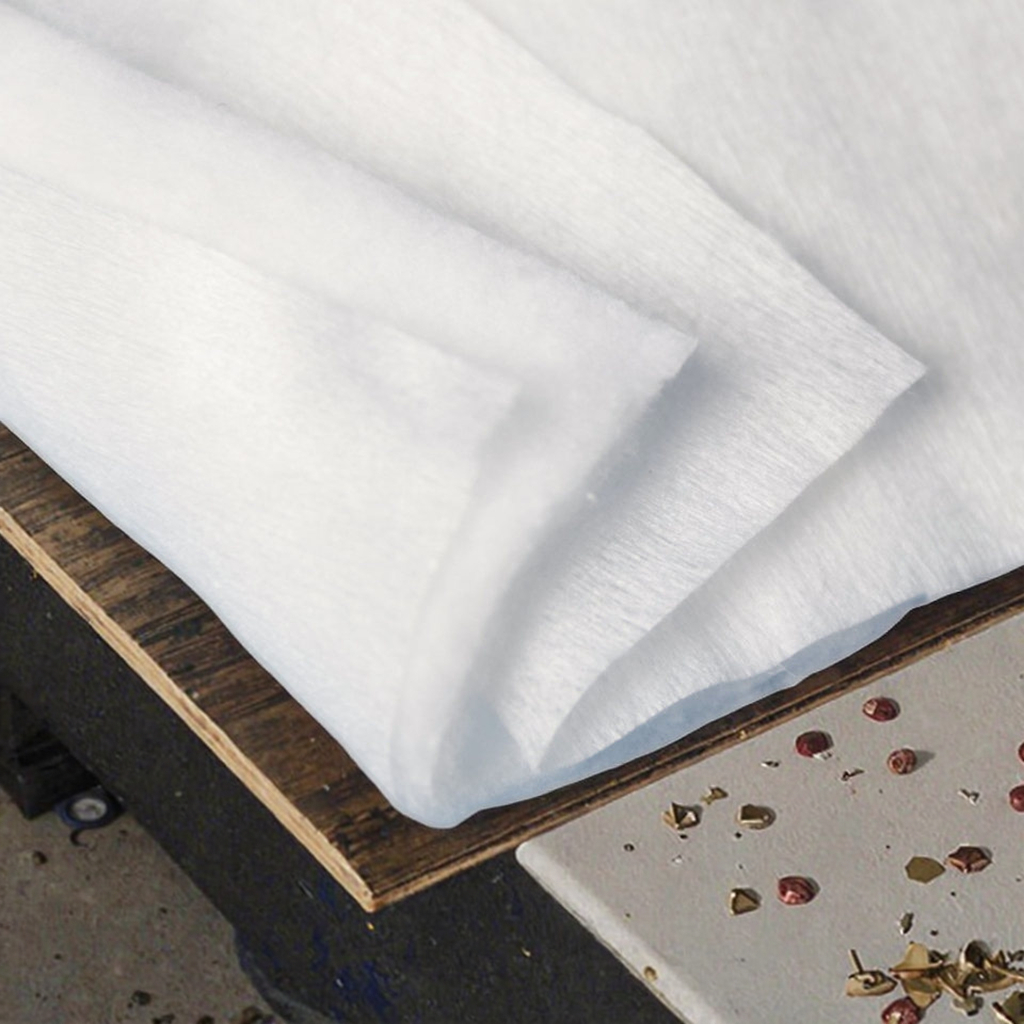
Monipuoliset käyttötavat eri terveydenhuollon ympäristöissä
Kirurginen käyttö ja toimintahuoneet
Toimintahuoneet edustavat yhtä kriittisimmistä ympäristöistä, joissa lääketieteelliset imeväiset puuvillarullit ovat välttämättömiä. Kirurgitiimit käyttävät näitä tuotteita haavan puhdistamiseen, nesteen imeytymiseen toimenpiteiden aikana sekä steriilien alueiden ylläpitämiseen kirurgisten kohteiden ympärillä. Puuvillan kyky imeä veriä ja muita nesteitä nopeasti auttaa kirurgeja pitämään selkeän näkyvyyden leikkausalueelle, mikä edistää turvallisempia ja tehokkaampia toimenpiteitä.
Lisäksi nestehallinnan tukena lääketieteelliset imevätkä puuvillarullat täyttävät tärkeitä tehtäviä leikkausvalmistelussa ja leikkauksen jälkeisessä hoidossa. Leikkaushenkilökunta käyttää puuvillatuotteita ihon valmisteluun sekä antiseptisten liuosten tasaisen levittämisen hoitoalueelle. Pehmeä tekstuurinen ja imevä materiaali tekee näistä tuotteista ihanteellisia lievän potilashoidon tarpeisiin, samalla kun varmistetaan kattavat puhdistus- ja valmisteluprotokollat kaikissa leikkausprosesseissa.
Hätätilanteiden ja trauma-ongelmien hoito
Hätäosastot ja trauma-keskukset luottavat voimakkaasti lääketieteellistä imukykyistä puuvillarullaa nopeaan potilastilanteen vakauttamiseen ja haavanhoitoon. Nämä korkeapaineiset ympäristöt vaativat tarvikkeita, jotka voidaan ottaa käyttöön nopeasti ja tehokkaasti verenvuodon hallintaan ja haavojen puhdistamiseen. Laadukkaiden puuvillatuotteiden välitön saatavuus ja luotettava suorituskyky voivat merkittävästi vaikuttaa potilastuloksiin kriittisissä hoitotilanteissa.
Traumahoitoon liittyvät protokollat sisältävät usein laajaa haavojen puhdistusta ja nestehallintaa, mikä tekee imevästä puuvillasta olennaisia työkaluja hätätilanteissa toimiville lääkäriryhmille. Näiden materiaalien monikäyttöisyys mahdollistaa lääkäreiden sovittaa niiden käyttö tiettyihin potilastarpeisiin ja vammaustyyppeihin. Hätäosastot varastoitavat eri kokoisia ja eri muotoisia puuvillatuotteita varmistaakseen, että eri traumatilanteisiin ja potilasryhmiin on saatavilla asianmukaiset tarvikkeet.
Valmistuksen erinomaisuus ja laadunvalvonta
Edistykselliset käsittelyteknologiat
Nykyajan valmistuslaitokset käyttävät edistyneitä teknologioita lääketieteellisten imevien puuvillarullien tuottamiseen, jotta ne täyttävät tiukat terveydenhuollon vaatimukset. Automaattiset tuotantolinjat varmistavat yhtenäisen laadun ja vähentävät saastumisvaaroja valmistusprosessien aikana. Nämä edistyneet järjestelmät seuraavat kriittisiä parametrejä, kuten kuidun tiukkuutta, kosteuspitoisuutta ja imeytymisnopeutta, jotta tuotteen määrittelyt pysyvät vakaina koko tuotantokerran ajan.
Tietokoneellisten laadunvalvontajärjestelmien integrointi mahdollistaa valmistajien seurata tuotantoprosessin jokaista osa-aluetta ja pitää yksityiskohtaisia tietueita sääntelyvaatimusten noudattamiseksi. Todellisaikaisen seurannan mahdollisuudet mahdollistavat välittömät säädöt valmistusparametreihin, mikä varmistaa, että lääkinnälliset imevätkangaspullot täyttävät tai ylittävät jatkuvasti terveydenhuollon sovelluksia varten asetetut alan standardit.
Sääntelyjen noudattaminen ja sertifiointi
Terveydenhuollon tuotteiden valmistajien on selviydyttävä monitasoisesta sääntelykehyksestä, jotta lääkinnälliset imevätkangaspullot voidaan saattaa markkinoille. Yhdysvaltojen elintarvike- ja lääkehallinnon (FDA) määräysten, CE-merkintävaatimusten ja ISO-standardien noudattaminen ovat perusedellytyksiä maailmanlaajuiselle jakelulle. Nämä sääntelykehykset varmistavat, että puuvillatuotteet täyttävät turvallisuus- ja tehoavaatimukset eri kansainvälisissä markkinoissa.
Sertifiointiprosessit sisältävät kattavan valmistusmenettelyjen, laatuvarmistustoimenpiteiden ja tuotetestausprotokollien dokumentoinnin. Valmistajien on osoitettava, että heidän lääkinnälliset imeytyspuuvillarullansa toimivat johdonmukaisesti määritettyjen vaatimusten mukaisesti ja säilyttävät turvallisuusvaatimukset koko niiden säilyvyysajan ajan. Säännölliset tarkastukset ja tarkistukset, joita sääntelyviranomaiset suorittavat, auttavat varmistamaan jatkuvan noudattamisen muuttuvia terveydenhuollon alan vaatimuksia kohtaan.
Kansainväliset toimitusketjüiden huomioonottaminen
Kansainväliset jakeluverkostot
Terveydenhuollon maailmanlaajuinen luonne aiheuttaa monimutkaisia hankintaketjuhaasteita lääkinnällisten imeytyspuuvillarullien jakelussa. Valmistajien on luotava luotettavia verkostoja, jotka voivat toimittaa tuotteita terveydenhuollon laitoksiin ympäri maailmaa säilyttäen samalla laadun ja steriilisyyden jakeluprosessin ajan. Lämpötilan säätö, pakkausten eheys ja kuljetuslogistiikka ovat kaikki ratkaisevan tärkeitä tekijöitä tuotelaadun säilyttämisessä kansainvälisessä kuljetuksessa.
Strategiset kumppanuudet alueellisten jakelijoiden kanssa mahdollistavat valmistajien tarjoavan johdonmukaista saatavuutta eri maantieteellisillä markkinoilla. Nämä suhteet varmistavat, että terveydenhuollon laitokset saavat luotettavaa pääsyä lääketieteellisiin imeväisiin puuvillarulliin riippumatta sijainnista tai alueellisista toimitusongelmista. Tehokkaat jakeluverkostot tukevat myös nopeaa reagointikykyä terveydenhuollon hätätilanteissa tai kysynnän kasvaessa.
Toimitusturvallisuus ja luotettavuus
Terveydenhuollon laitokset vaativat varmuutta siitä, että kriittiset tarvikkeet, kuten lääketieteelliset imeväiset puuvillarullit, ovat saatavilla tarvittaessa. Toimitusketjun häiriöt voivat aiheuttaa vakavia seurauksia potilashoidolle, mikä tekee luotettavuudesta erityisen tärkeän tekijän hankintapäätöksissä. Valmistajat käyttävät riskienhallintastrategioita tuotannon jatkuvuuden varmistamiseksi ja mahdollisten toimituskatkojen vähentämiseksi.
Monipuoliset hankintastrategiat ja strateginen varastonhallinta auttavat varmistamaan lääkinnällisten imeväisten puuvillarullien jatkuvan saatavuuden maailmanlaajuisilla markkinoilla. Valmistajat ylläpitävät usein useita tuotantolaitoksia ja toimittajasuhteita vähentääkseen riippuvuusriskiä ja varmistaakseen toimitusketjun joustavuuden. Nämä lähestymistavat antavat terveydenhuollon laitoksille luottamusta pitkäaikaiseen toimitusturvallisuuteen olennaisissa puuvillatuotteissa.
Taloudellinen vaikutus ja kustannuksia koskevat harkinnat
Terveydenhuollon budjetin optimointi
Terveydenhuollon hallinnoijien on tasapainotettava laatukrvaamukset ja budjettirajoitukset hankittaessa lääkinnällisiä imeväisiä puuvillarullia. Kustannustehokkuusanalyysi ottaa huomioon paitsi alustavat ostohinnat myös tekijöitä, kuten imeytyskykyä, jätteen vähentämistä ja kokonaistason kliinistä suorituskykyä. Korkealaatuiset puuvillatuotteet tarjoavat usein parempaa arvoa parantuneen suorituskyvyn ja pienentyneiden kulutusmäärien kautta.
Eräkauppasopimukset ja pitkäaikaiset toimitussopimukset auttavat terveydenhuollon laitoksia optimoimaan lääketieteellisten imeväisten puuvillarullien kustannuksia samalla kun varmistetaan yhtenäiset laatuvaatimukset. Nämä järjestelyt sisältävät usein määräalennuksia ja hinnan vakautta koskevia säännöksiä, mikä tukee tehokasta budjetointia. Strategiset hankintamenetelmät mahdollistavat terveydenhuollon organisaatioiden laadukkaan hoitotason säilyttämisen samalla kun toimintakustannuksia hallitaan tehokkaasti.
Arvopohjaisen terveydenhuollon integrointi
Nykyajan terveydenhuollossa korostetaan arvopohjaisia hoitomalleja, jotka keskittyvät potilastuloksiin ja kustannustehokkuuteen. Lääketieteelliset imeväiset puuvillarullat edistävät näitä tavoitteita tukenaan tehokkaita hoitoprotokollia ja samalla säilyttäen kustannustehokkaan toimitusketjun hallinnan. Laadukkaat puuvillatuotteet auttavat vähentämään komplikaatioita ja parantamaan potilastyytyväisyyttä, mikä on linjassa arvopohjaisen terveydenhuollon periaatteiden kanssa.
Lääketieteellisten imeväpullojen suorituskyvyn mittareihin kuuluvat imevyyskyky, infektioiden ehkäisyn tehokkuus ja yleinen kliininen hyödyllisyys. Terveydenhuollon laitokset arvioivat yhä enemmän toimittajia näiden kattavien suorituskyvyn indikaattoreiden perusteella eikä pelkästään hinnan perusteella. Tämä lähestymistapa varmistaa, että puuvillatuotteet edistävät sekä potilastuloksia että toiminnallista tehokkuutta.
Innovaatio ja tulevat kehitykset
Teknologian integrointimahdollisuudet
Uudet teknologiat tarjoavat mahdollisuuksia parantaa lääketieteellisten imeväpullojen suorituskykyä ja hyödyllisyyttä. Antimikrobiset käsittelyt, parannetut imevyysmuodostelmat ja älykkäät pakkausratkaisut ovat aktiivisen tutkimuksen ja kehityksen alueita. Nämä innovaatiot voivat vielä parantaa puuvillatuotteiden turvallisuutta ja tehokkuutta terveydenhuollon sovelluksissa.
Digitaaliset seurantateknologiat ja varastonhallintajärjestelmät muuttavat sitä, miten terveydenhuollon laitokset hallinnoivat lääkinnällisiä imeväisiä puuvillarullia. RFID-tunnisteet ja lohkoketjuun perustuvat tunnistusjärjestelmät auttavat varmistamaan tuotteiden aitoisuuden ja mahdollistavat tehokkaamman varastonhallinnan. Nämä teknologiset edistysaskeleet edistävät parempaa toimitusketjun näkyvyyttä ja vähentävät riskiä, joka liittyy väärennettyihin tuotteisiin.
Kestävyys ja ympäristönsuojelu
Ympäristöllinen kestävyys vaikuttaa yhä enemmän terveydenhuollon hankintapäätöksiin, mukaan lukien lääkinnällisten imeväisten puuvillarullien valinta. Valmistajat kehittävät ympäristöystävällisiä tuotantoprosesseja ja pakkausratkaisuja, jotka vähentävät ympäristövaikutuksia säilyttäen samalla laatuvaatimukset. Biologisesti hajoavat materiaalit ja kestävät viljelymenetelmät ovat tärkeitä näkökohtia ympäristöä arvostaville terveydenhuollon organisaatioille.
Jätteen vähentämisen strategiat lääketieteellisille imeväille puuvillarullille keskittyvät tuotteen suunnittelun ja käyttöprotokollien optimointiin ympäristövaikutusten vähentämiseksi. Tehokkaat pakkaussuunnittelut ja konsentroitut valmisteet auttavat vähentämään kuljetustilavuuksia ja varastointivaatimuksia. Nämä kestävyysaloitteet ovat linjassa terveydenhuollon alan tavoitteiden kanssa ympäristövastuullisuudesta, samalla kun tuotteen olennaiset suoritusominaisuudet säilytetään.
UKK
Mitä lääketieteelliset imeväkottonauhat eroavat tavallisista puuvillatuotteista
Lääkinnälliset imeytyspuuvillarullat käsitellään erityisellä tavalla ja steriloidaan, mikä ei kuulu tavallisten puuvillatuotteiden käsittelyyn. Niiden on täytettävä terveydenhuollon alan tiukat vaatimukset steriilisyys-, imeytyskyky- ja turvallisuusnäkökohtien osalta. Valmistusprosessi sisältää puhdistusvaiheita, joissa poistetaan epäpuhtauksia ja parannetaan imeytysominaisuuksia säilyttäen samalla pehmeys ja turvallisuus potilaan kosketukseen. Lääkinnällisen laadun puuvilla vaatii myös sertifiointia ja noudattaa sääntelyvaatimuksia, jotka varmistavat yhtenäisen laadun ja suorituskyvyn terveydenhuollon ympäristöissä.
Miten terveydenhuollon laitosten tulisi säilyttää lääkinnällisiä imeytyspuuvillarulloja laadun säilyttämiseksi
Lääkinnällisten imeväten puuvillarullien asianmukainen säilytys edellyttää säädettyjä lämpötila- ja kosteusoloja saastumisen estämiseksi ja steriilisyyden säilyttämiseksi. Säilytystilat tulisi pitää puhtaina, kuivina ja suojattuina suoralta auringonvalolta sekä lämpötilan vaihteluilta. Tuotteet tulisi säilyttää alkuperäisessä pakkauksessa käyttöön asti ja niiden kiertokulku tulisi järjestää erääntymispäivien mukaan käyttäen ensin sisään, ensin ulos -varastonhallintaperiaatetta. Säilytysolosuhteiden ja pakkauksen eheytteen säännöllinen tarkastus auttaa varmistamaan, että puuvillatuotteet säilyttävät laatuunsa ja steriilisyyteensä koko säilyvyysajan.
Mitä imevyyskykyä terveydenhuollon laitokset voivat odottaa laadukkaalta lääkinnälliseltä puuvillarullalta
Korkealaatuiset lääketieteelliset imevätkangaspullot imevät yleensä 8–12 kertaa painonsa verran nestettä, mikä riippuu tietystä tuotteen koostumuksesta ja valmistusprosessista. Imemisnopeus vaihtelee nesteen tyypin mukaan: vesisisältöisiä liuoksia imeytyy nopeammin kuin viskoosia nesteitä. Terveydenhuollon laitosten tulisi arvioida imeytymisominaisuuksia omien sovellustensa ja käyttötapojensa perusteella. Valmistajat toimittavat yksityiskohtaiset tekniset tiedot imeytyskapasiteetista ja -nopeudesta, mikä mahdollistaa laitosten tarpeiden ja eri kliinisten menetelmien vaatimusten mukaisen tuotteen valinnan.
Miten sääntelyvaatimukset vaikuttavat lääketieteellisten imevätkangaspullojen saatavuuteen ja hintaan?
Sääntelyvaatimusten noudattaminen vaikuttaa merkittävästi lääketieteellisten imeväten puuvillarullien saatavuuteen ja hinnoitteluun maailmanlaajuisilla markkinoilla. Valmistajien on sijoitettava huomattavia resursseja laatusysteemeihin, testausmenetelmiin ja sertifiointiprosesseihin, jotta ne täyttävät terveydenhuollon alan vaatimukset. Nämä sääntelyvaatimusten noudattamiseen liittyvät kustannukset näkyvät tuotteiden hinnoissa, mutta ne varmistavat myös potilaiden ja terveydenhuollon työntekijöiden turvallisuuden ja hoitotulosten tehokkuuden. Sääntelyvaatimukset voivat vaihdella maasta toiseen, mikä vaikuttaa tuotteiden saatavuuteen ja lisää monimutkaisuutta kansainvälisten jakeloverkkojen toiminnassa, jotka palvelevat terveydenhuollon laitoksia ympäri maailmaa.

