 EN
EN


How to choose safe, skin-friendly compressed towel tablets?
Selecting the right compressed towel tablets can feel straightforward, but with so many options available, it is easy to overlook critical factors that affect both safety and skin comfort. Compressed towel tablets are compact, water-activated towels that expand when moistened, making them ideal for travel, hospitality, and everyday hygiene. Choosing poorly made compressed towel tablets can expose your skin to harmful chemicals, rough textures, or allergens that cause irritation.
This guide walks through every important consideration when evaluating compressed towel tablets, from raw material quality to packaging standards. Whether you are sourcing compressed towel tablets for a hotel chain, a retail brand, or personal use, the principles here will help you make a confident, informed decision. Understanding what separates safe compressed towel tablets from lower-quality alternatives is the first step toward protecting your skin and your reputation.
Material Quality and Fabric Safety
Choosing the Right Fiber for Compressed Towel Tablets
The foundation of any safe set of compressed towel tablets is the raw fiber used in manufacturing. High-quality compressed towel tablets are typically made from 100% natural cotton or a certified nonwoven cotton blend. Pure cotton compressed towel tablets are naturally soft, highly absorbent, and hypoallergenic, making them the preferred choice for sensitive skin users. Avoid compressed towel tablets that use synthetic fibers as the primary material, since these can cause friction, static, or mild allergic responses on delicate facial skin.
Nonwoven compressed towel tablets made from viscose or spunlace cotton are also widely used and generally considered safe, provided the manufacturing process meets hygiene standards. When evaluating compressed towel tablets, ask suppliers for material composition documentation and verify whether the fibers are sourced from certified or tested raw material providers. Compressed towel tablets labeled as pure cotton but blended with undisclosed synthetics represent a common quality issue in the market.
Checking for Chemical Treatments and Additives
Many compressed towel tablets undergo bleaching, softening, or fragrance treatment during production. While these processes can improve appearance and user experience, they can also introduce chemicals that irritate sensitive skin. Safe compressed towel tablets should be free from fluorescent whitening agents, formaldehyde-based softeners, and artificial fragrances unless those additives have been independently tested and certified. When sourcing compressed towel tablets for facial use, prioritize products that carry dermatological test reports or allergen-free certifications.
Unscented compressed towel tablets are generally safer for broader consumer demographics, including children and individuals with skin conditions. If fragrance is desired in compressed towel tablets, confirm that only skin-approved aromatic ingredients are used and that they fall within safe concentration limits. Transparent ingredient disclosure is a strong indicator of a trustworthy compressed towel tablets manufacturer.
Manufacturing Standards and Hygiene Control
Production Environment for Compressed Towel Tablets
The production environment has a direct impact on the safety of compressed towel tablets. Reputable manufacturers produce compressed towel tablets in cleanroom or controlled-environment facilities that meet food-grade or medical-adjacent hygiene standards. This is especially important because compressed towel tablets come into direct contact with facial skin and mucous membrane areas. Facilities with documented GMP compliance, ISO certifications, or equivalent quality systems are far more likely to deliver consistently safe compressed towel tablets.
Microbial contamination is a serious risk in compressed towel tablets that are produced without proper sanitation controls. Ask for microbial test reports when evaluating compressed towel tablets from new suppliers. Safe compressed towel tablets should show bacterial colony counts well within accepted hygiene thresholds for personal care textiles. Mold, yeast, and pathogen counts are equally important metrics to verify for compressed towel tablets intended for skin contact.
Packaging Integrity and Shelf Life of Compressed Towel Tablets
Even well-made compressed towel tablets can become unsafe if packaging is inadequate. Each unit of compressed towel tablets should be individually sealed in airtight, moisture-resistant packaging to prevent contamination before use. Compressed towel tablets sold in loose or multi-piece unsealed packs are more vulnerable to environmental moisture, dust, and microbial exposure during transport and storage. Packaging material for compressed towel tablets should be food-contact safe and free from harmful plasticizers or coatings that could transfer to the towel surface.
Shelf life is another practical concern when choosing compressed towel tablets. Well-sealed compressed towel tablets typically maintain safety and usability for one to three years from production date. Always check production dates and confirm storage guidelines with your compressed towel tablets supplier. Proper labeling on compressed towel tablets packaging, including ingredient lists, usage instructions, and expiry indicators, signals responsible manufacturing practices.
Skin-Friendliness Testing and Certifications
Dermatological and Safety Certifications for Compressed Towel Tablets
Third-party testing is one of the most reliable ways to verify that compressed towel tablets are genuinely skin-friendly. Look for compressed towel tablets that carry recognized certifications such as OEKO-TEX Standard 100, which confirms the product has been tested for harmful substances across every component. Compressed towel tablets with dermatologist-tested claims backed by documented test reports give buyers confidence that the product meets skin safety benchmarks. Certifications specifically for compressed towel tablets used on facial skin are particularly valuable for hotel amenity buyers and cosmetic retailers.
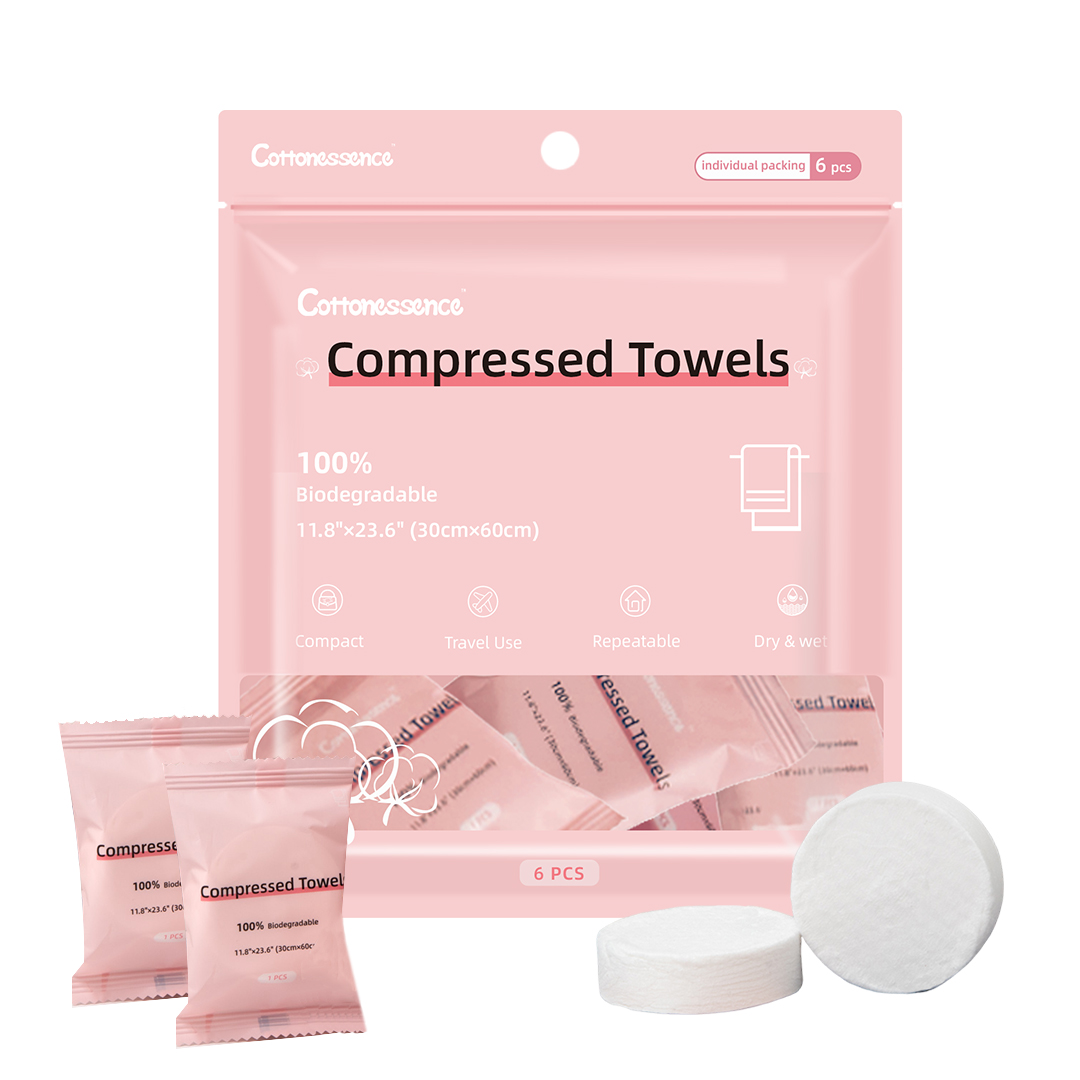
pH neutrality is another factor often overlooked when evaluating compressed towel tablets. Skin-healthy compressed towel tablets should have a fabric pH that falls within the slightly acidic to neutral range, roughly between 5.5 and 7.0, to avoid disrupting the skin's natural barrier. Compressed towel tablets with overly alkaline pH values can cause dryness or irritation after repeated use. Request pH test data when shortlisting compressed towel tablets for sensitive-skin applications.
Practical Texture and Expansion Performance
Beyond safety certifications, the physical performance of compressed towel tablets matters greatly for user satisfaction. Quality compressed towel tablets should expand fully and evenly when a small amount of water is applied, forming a soft, pliable towel without stiff edges or uneven patches. The texture of expanded compressed towel tablets should be smooth enough for facial wiping without causing micro-abrasion. Poorly compressed towel tablets may not expand uniformly, leaving hard or dense areas that feel rough against skin.
Absorbency is also a key performance metric for compressed towel tablets. Compressed towel tablets with high absorbency allow effective cleansing or drying in a single use. Test samples of compressed towel tablets before placing bulk orders to ensure the expansion rate, softness, and absorbency meet your specific use-case requirements. Consistent quality across production batches is the mark of a reliable compressed towel tablets supplier.
FAQ
Are compressed towel tablets safe for sensitive or acne-prone skin?
Yes, compressed towel tablets made from 100% pure cotton and free from synthetic additives, fragrances, and fluorescent agents are generally safe for sensitive or acne-prone skin. Always verify that the compressed towel tablets you choose carry dermatological test reports and are produced in hygienic, certified facilities before use on reactive skin types.
How can I verify that compressed towel tablets are chemical-free?
Request OEKO-TEX Standard 100 certification or equivalent third-party test reports directly from the compressed towel tablets supplier. These documents confirm that the compressed towel tablets have been tested for harmful substances including formaldehyde, heavy metals, and restricted dyes, giving you reliable assurance of chemical safety.
What is the ideal size and thickness for facial compressed towel tablets?
For facial use, compressed towel tablets that expand to approximately 20x20 cm or 20x30 cm are most practical. Thickness after expansion should be sufficient to absorb moisture effectively without feeling flimsy. The best compressed towel tablets for facial applications balance compact packaging with full, even expansion and a smooth, non-abrasive texture.

