 EN
EN


What differentiates cotton tissues from synthetic disposable ones?
When evaluating disposable hygiene products, the material composition makes a decisive difference in performance, comfort, and environmental impact. compressed towel tablets made from natural cotton represent a fundamentally different product category compared to synthetic disposable alternatives. Understanding these differences helps buyers, procurement managers, and brand owners select the right product for their specific application. Whether you are sourcing for a hotel, spa, travel kit, or retail skincare brand, the distinctions outlined here are directly relevant to your decision.
Cotton compressed towel tablets are compact, coin-shaped or capsule-shaped tablets that expand into a full-size soft towel when exposed to water. Synthetic disposable towels, on the other hand, are typically manufactured from polyester, viscose, or nonwoven plastic-based fibers. Both formats are positioned for single-use convenience, but their material origins create very different user experiences, safety profiles, and sustainability outcomes. This article breaks down the key differentiators to help you make an informed sourcing choice.
Material Origin and Skin Compatibility
Natural Cotton as the Foundation of Compressed Towel Tablets
Cotton compressed towel tablets are derived from natural plant-based fibers, which gives them a soft, breathable texture that closely resembles traditional terry cloth. This natural origin means the material contains no petroleum-derived polymers, making it inherently more compatible with sensitive skin. For facial care, baby hygiene, and post-procedure skin wiping in clinical or beauty settings, compressed towel tablets offer a gentler tactile experience. The fibers absorb moisture efficiently without causing friction-induced irritation, a property that synthetic materials frequently fail to replicate.
Synthetic disposable towels are typically made from nonwoven polyester or blended viscose materials. While these materials can achieve reasonable softness through processing, they often lack the natural breathability of cotton. Some synthetic formulations include chemical binders or finishing agents that may cause sensitivity reactions in users with delicate or reactive skin. For applications where direct skin contact is prolonged or repeated, the difference between cotton compressed towel tablets and synthetic alternatives becomes clearly significant.
Lint Behavior and Cleanliness Standards
One practical differentiator between cotton compressed towel tablets and synthetic disposable options is lint control. High-quality cotton compressed towel tablets are manufactured using a cross-lapping or spunlace process that locks fibers together tightly, minimizing lint release during use. This makes them suitable for facial cleansing, lens care, and even light clinical wiping tasks where lint contamination is unacceptable. Synthetic nonwoven towels, especially lower-grade variants, often shed microfibers during use, which can leave residue on skin or surfaces.
Absorbency, Strength, and Functional Performance
How Compressed Towel Tablets Perform When Activated
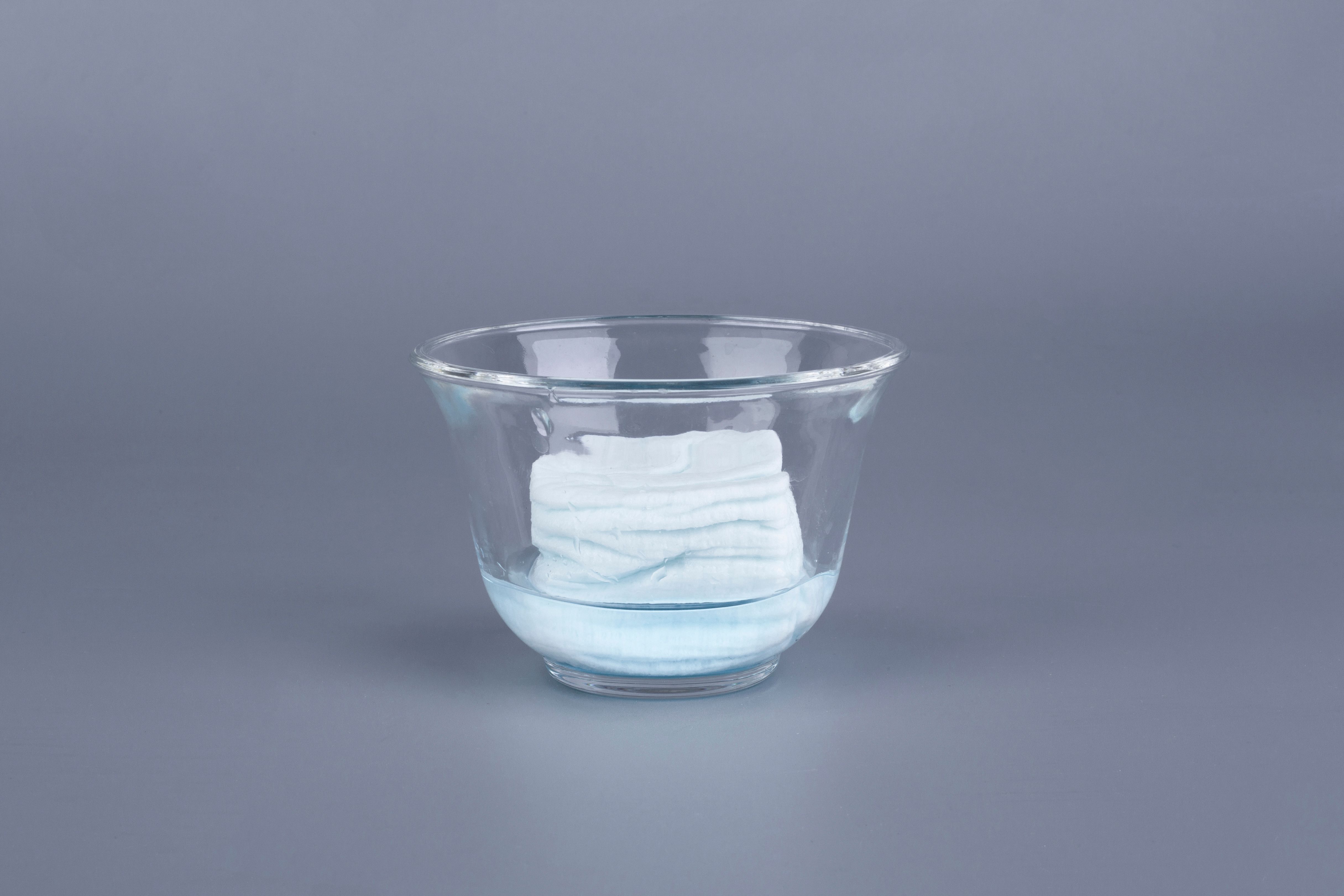
The expansion behavior of compressed towel tablets is one of their most recognized advantages. When a cotton compressed towel tablet contacts water, it expands rapidly to a full-size towel within seconds. The resulting towel retains strong structural integrity because cotton fibers are naturally robust when wet. This wet strength is a critical performance factor in settings where users need to apply moderate pressure during wiping, such as removing makeup, cleaning wounds, or refreshing the face during travel.
Compressed towel tablets made from cotton also demonstrate superior absorbency compared to most synthetic disposable towels. Cotton fibers have a hollow core structure that draws moisture into the fiber itself rather than simply spreading it across the surface. This means cotton compressed towel tablets can absorb several times their own weight in liquid, making them genuinely functional rather than merely decorative. Synthetic materials, particularly polyester-dominant nonwovens, tend to repel moisture rather than absorb it, limiting their effectiveness in wet-use scenarios.
Durability During Single-Use Applications
Despite being single-use products, compressed towel tablets must withstand handling without tearing or disintegrating mid-use. Cotton compressed towel tablets consistently outperform synthetic alternatives in tear resistance when wet. The interlocked natural fiber matrix provides resilience that holds up to real-use demands. Many synthetic disposable towels, when subjected to the same level of mechanical stress, begin to break apart, leaving fiber fragments behind. This performance gap is especially relevant for professional buyers sourcing compressed towel tablets for spa treatments, airline amenity kits, or medical-adjacent applications.
Environmental Profile and End-of-Life Considerations
Biodegradability of Cotton Compressed Towel Tablets
From an environmental standpoint, cotton compressed towel tablets offer a clear advantage over synthetic disposable options. Natural cotton is biodegradable under standard composting conditions, meaning used compressed towel tablets can break down without leaving persistent microplastic residue. This is an increasingly important consideration for brands and procurement teams responding to sustainability mandates or consumer preference shifts toward eco-conscious products. Synthetic disposable towels, composed of polyester or polypropylene-based fibers, can take hundreds of years to decompose and frequently shed microplastics into wastewater systems during use and washing.
For businesses operating in markets with growing environmental scrutiny, choosing cotton compressed towel tablets over synthetic alternatives directly supports a more defensible environmental position. Hotels, airlines, cosmetics brands, and medical supply companies that incorporate compressed towel tablets into their product lines can credibly position their offerings as both premium and responsible. The natural material story behind compressed towel tablets aligns with broader consumer trends toward clean-label, traceable, and low-impact product choices.
Packaging Efficiency and Logistics Advantages
Both cotton and synthetic variants share the core advantage of compression technology, which allows a large number of compressed towel tablets to be packed into a small shipping volume. However, cotton compressed towel tablets typically achieve tighter compression ratios due to the natural compressibility of cotton fiber. This means a greater number of compressed towel tablets can fit per carton, reducing per-unit shipping costs. For high-volume procurement scenarios, this logistical advantage compounds meaningfully across large orders of compressed towel tablets.
FAQ
Are compressed towel tablets safe for sensitive or reactive skin types?
Yes, cotton compressed towel tablets are generally safe for sensitive skin because they are made from natural plant fibers that contain no synthetic binders or petroleum-based compounds. For users with reactive skin, selecting compressed towel tablets that are free from fragrances, dyes, and chemical softeners further reduces irritation risk. Always verify the composition certification of compressed towel tablets before sourcing for clinical or dermatological use.
Can compressed towel tablets replace standard cotton pads for makeup removal?
Compressed towel tablets serve a broader functional role than standard cotton pads. While cotton pads are thin and designed for small-area application, compressed towel tablets expand into a full face towel suitable for cleansing, wiping, and rinsing. For makeup removal applications, compressed towel tablets provide more surface coverage and better absorbency, making them a practical upgrade over flat cotton pads in professional skincare kits or travel amenity packages.
How do compressed towel tablets compare to synthetic options in cost per unit?
Cotton compressed towel tablets may carry a slightly higher per-unit cost than low-grade synthetic disposable towels due to the raw material origin, but this gap narrows considerably when functional performance and material safety are factored in. The superior absorbency, skin compatibility, and biodegradability of compressed towel tablets typically deliver greater perceived value per use, which supports premium pricing in retail and hospitality channels. For B2B buyers, the total cost of quality should be evaluated rather than unit price alone when comparing compressed towel tablets against synthetic alternatives.

