 EN
EN


How to choose eco-friendly cotton pads for daily skincare routines?
Selecting the right makeup removal cotton pads for daily skincare involves balancing effectiveness, skin safety, and environmental responsibility. As consumers become increasingly aware of sustainability and ingredient transparency, the demand for eco-friendly cotton pads has surged across global markets. These products serve as essential tools in removing makeup, applying toner, and maintaining facial hygiene, yet not all cotton pads deliver the same quality or environmental profile. Understanding how to evaluate material composition, manufacturing processes, and functional performance enables informed purchasing decisions that align with both skincare goals and ecological values.
The choice of makeup removal cotton pads directly impacts skin health, particularly for individuals with sensitive or reactive complexions. Conventional cotton products often contain synthetic fibers, chemical residues from bleaching processes, or pesticide traces that can trigger irritation or allergic reactions. Eco-friendly alternatives prioritize organic cultivation methods, minimal processing, and biodegradable materials that reduce both dermatological risks and environmental footprint. This guide examines the critical factors that determine product quality and sustainability, offering practical evaluation criteria for consumers seeking optimal solutions for their daily skincare routines while supporting responsible manufacturing practices.
Understanding Material Composition and Organic Certification Standards
Distinguishing Pure Cotton from Blended Synthetic Fibers
The foundation of eco-friendly makeup removal cotton pads lies in their material purity, with 100% organic cotton representing the gold standard for both skin compatibility and environmental stewardship. Pure cotton fibers provide superior absorbency, natural softness, and hypoallergenic properties that synthetic blends cannot replicate. Many conventional products incorporate polyester or rayon to reduce manufacturing costs, but these synthetic components shed microplastics during use and disposal, contributing to environmental pollution while potentially irritating sensitive facial skin. Authentic organic cotton undergoes cultivation without synthetic pesticides, herbicides, or genetically modified seeds, ensuring the final product remains free from chemical residues that could transfer to skin during makeup removal processes.
Verifying material composition requires examining product labeling and certification credentials, as marketing claims alone do not guarantee authenticity. Reputable manufacturers provide transparent ingredient disclosures and third-party verification through recognized organic certification bodies. The texture and performance characteristics of genuine cotton pads differ noticeably from synthetic alternatives, with natural fibers offering greater durability during wet application and enhanced capacity to lift makeup without leaving lint residue. Consumers should prioritize products explicitly labeled as containing zero synthetic additives, particularly when selecting makeup removal cotton pads for daily use on delicate facial areas where chemical exposure poses heightened dermatological risks.
Evaluating Organic Certification Credibility and Supply Chain Transparency
Legitimate organic certification involves rigorous third-party auditing of agricultural practices, processing methods, and supply chain integrity throughout the cotton cultivation and manufacturing lifecycle. Recognized certification programs such as GOTS (Global Organic Textile Standard), USDA Organic, and Ecocert establish stringent criteria for pesticide prohibition, soil health management, water conservation, and fair labor practices. These certifications ensure that makeup removal cotton pads marketed as eco-friendly genuinely adhere to sustainable production standards rather than merely adopting superficial green marketing tactics. The certification process requires annual inspections, detailed documentation of farming inputs, and traceability systems that track cotton from field to finished product, providing consumers with verifiable assurance of environmental and ethical compliance.
Supply chain transparency extends beyond agricultural certification to encompass manufacturing processes, including bleaching methods, dyeing procedures, and packaging materials. Eco-conscious manufacturers utilize oxygen-based or peroxide bleaching alternatives instead of chlorine, eliminating dioxin formation and reducing water contamination. The absence of optical brighteners, formaldehyde-based finishing agents, and synthetic fragrances further distinguishes genuinely sustainable makeup removal cotton pads from conventionally processed alternatives. Consumers evaluating product claims should seek detailed information about manufacturing facilities, chemical usage policies, and environmental management systems, as comprehensive transparency indicates genuine commitment to sustainability rather than opportunistic greenwashing designed to capture market share without substantive operational changes.
Assessing Biodegradability and End-of-Life Environmental Impact
The environmental profile of makeup removal cotton pads extends far beyond their production phase, encompassing disposal pathways and decomposition characteristics that determine long-term ecological consequences. Genuine organic cotton products naturally biodegrade within several months under appropriate composting conditions, returning nutrients to soil systems without generating persistent waste or toxic leachate. This biodegradability represents a critical advantage over synthetic alternatives that may persist in landfills for decades or fragment into microplastic particles that infiltrate water systems and food chains. However, biodegradability depends not only on fiber composition but also on additional components such as binding agents, packaging materials, and any chemical treatments applied during manufacturing processes.
Evaluating true biodegradability requires understanding the distinction between industrial compostability and home compostability, as some products marketed as biodegradable require specific temperature and microbial conditions available only in commercial facilities. Genuinely eco-friendly makeup removal cotton pads should decompose safely in standard home composting systems or municipal organic waste streams without requiring specialized processing infrastructure. The packaging surrounding cotton pads also demands scrutiny, with sustainable options utilizing recyclable cardboard, biodegradable cellulose films, or reusable containers rather than conventional plastic clamshells or multilayer laminates that complicate recycling efforts. Comprehensive lifecycle assessment considers both the product and its packaging, ensuring that environmental benefits realized during cultivation and manufacturing are not negated by excessive packaging waste or disposal challenges.
Evaluating Functional Performance for Effective Makeup Removal
Assessing Absorbency Capacity and Liquid Retention Properties
The functional effectiveness of makeup removal cotton pads depends fundamentally on their ability to absorb cleansing solutions, retain liquid during application, and maintain structural integrity when saturated. Superior absorbency enables efficient makeup dissolution and removal using minimal product quantities, reducing both cosmetic waste and the friction required during cleansing processes. Organic cotton naturally exhibits excellent absorbent properties due to its hollow fiber structure and hydrophilic characteristics, with quality products capable of holding multiple times their dry weight in liquid without immediate dripping or premature breakdown. This capacity proves particularly valuable when using oil-based makeup removers or micellar waters, where adequate saturation ensures thorough cleansing without excessive wiping that can stress delicate facial skin.
Testing absorbency involves evaluating both initial liquid uptake speed and sustained retention during typical usage scenarios, with premium makeup removal cotton pads demonstrating rapid absorption followed by gradual, controlled release during application. Inferior products may absorb liquid slowly, requiring extended saturation time, or release absorbed solution too quickly, necessitating multiple pads per cleansing session and increasing consumption costs. The fiber density and manufacturing compression techniques significantly influence these performance characteristics, with optimally engineered products balancing softness against structural cohesion to prevent premature tearing or fiber separation during use. Consumers can preliminarily assess these qualities through tactile evaluation, though comprehensive performance validation requires practical testing under realistic skincare conditions with preferred cleansing formulations.
Examining Surface Texture and Lint-Free Performance
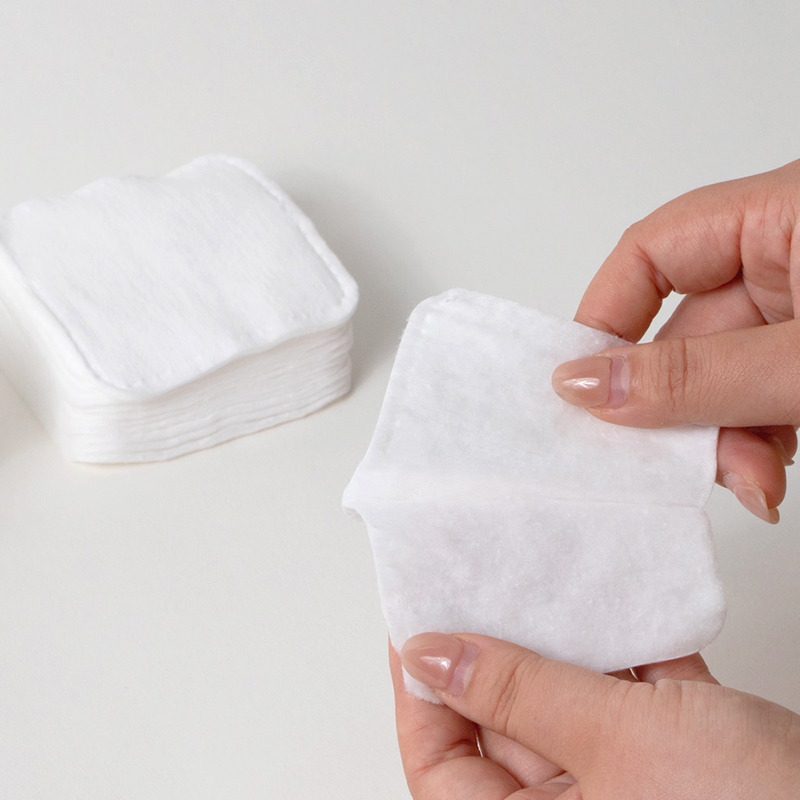
Surface texture profoundly influences the cleansing effectiveness and skin comfort provided by makeup removal cotton pads, with optimal products offering sufficient texture to lift makeup residue without causing abrasion or irritation. The manufacturing process determines whether cotton fibers remain loosely arranged for enhanced softness or undergo bonding treatments that create smoother, more cohesive surfaces resistant to linting. Premium eco-friendly options typically feature dual-sided designs, combining a textured surface for initial makeup removal with a smoother reverse side suitable for applying toners or essences. This versatility eliminates the need for multiple product types while ensuring appropriate texture selection for specific skincare steps within comprehensive daily routines.
Lint generation represents a common complaint associated with lower-quality makeup removal cotton pads, with loose fibers adhering to facial skin, eyelashes, or eyebrows during cleansing processes. This issue stems from inadequate fiber bonding or excessive mechanical processing that damages cotton structure, creating weak points where fibers detach under minimal stress. Genuinely lint-free products utilize thermal bonding, ultrasonic sealing, or natural fiber interlocking techniques that secure individual strands without introducing synthetic adhesives or chemical binders that compromise biodegradability. The lint-free characteristic proves especially critical for eye makeup removal, where stray fibers can cause discomfort or visual obstruction, and for individuals wearing contact lenses who face heightened sensitivity to particulate contamination during facial cleansing procedures.
Determining Appropriate Size and Thickness for Specific Applications
Physical dimensions significantly impact the usability and efficiency of makeup removal cotton pads, with size and thickness specifications optimized for different skincare applications and personal preferences. Standard round pads typically measure between 5 and 7 centimeters in diameter, providing adequate coverage for facial cleansing while maintaining comfortable handling during application. Larger formats suit full-face toner application or body skincare uses, whereas smaller specialty sizes target precise applications such as nail polish removal or detailed makeup correction. Thickness influences both absorbency capacity and durability, with thicker pads offering enhanced liquid retention and extended usability but potentially sacrificing the precision required for delicate work around eyes or lips.
Selecting appropriate specifications requires matching product characteristics to intended usage patterns and personal skincare routines, recognizing that optimal choices vary based on makeup types, cleansing product formulations, and individual application techniques. Waterproof cosmetics or heavy foundation applications may warrant thicker, more robust makeup removal cotton pads capable of withstanding rigorous cleansing without disintegration, while light daily makeup or toner application benefits from thinner, more flexible options that conform easily to facial contours. Some manufacturers offer variety packs containing multiple sizes or thickness options, enabling users to experiment with different configurations before committing to bulk purchases. This approach proves particularly valuable for individuals transitioning from conventional disposable wipes to reusable or biodegradable cotton pad systems, allowing gradual adaptation to new product formats without substantial financial investment in potentially unsuitable options.
Analyzing Manufacturing Processes and Chemical Treatment Practices
Understanding Bleaching Methods and Their Health Implications
The bleaching process applied to cotton fibers profoundly affects both the safety profile and environmental impact of makeup removal cotton pads, with conventional chlorine bleaching generating harmful byproducts including dioxins and organochlorines that persist in ecosystems and accumulate in biological tissues. Eco-friendly alternatives employ oxygen-based bleaching using hydrogen peroxide or ozone treatment, achieving comparable whiteness without toxic chemical formation or hazardous residue retention in finished products. Some premium organic options forego bleaching entirely, maintaining the natural off-white or cream coloration of raw cotton fibers, though consumer preferences for bright white products often drive manufacturers toward oxygen bleaching despite the added processing requirements and energy consumption involved.
The health implications of bleaching residues particularly concern individuals with sensitive skin, chemical sensitivities, or conditions such as eczema or rosacea where compromised skin barrier function increases vulnerability to irritant exposure. Chlorinated compounds remaining in conventionally bleached makeup removal cotton pads can trigger inflammatory responses, disrupt skin microbiome balance, or exacerbate existing dermatological conditions through repeated daily exposure during facial cleansing routines. Oxygen-bleached products minimize these risks while still providing the aesthetic whiteness many consumers associate with cleanliness and purity. Manufacturers committed to transparency typically disclose bleaching methods in product specifications or marketing materials, enabling informed selection by health-conscious consumers seeking to minimize chemical exposure through personal care product choices.
Evaluating Additional Chemical Treatments and Finishing Processes
Beyond bleaching, numerous chemical treatments may be applied during cotton pad manufacturing to enhance performance characteristics, extend shelf life, or achieve specific aesthetic properties, with each intervention potentially affecting skin safety and environmental sustainability. Softening agents improve tactile comfort but may introduce synthetic compounds that reduce biodegradability or cause allergic reactions in sensitive individuals. Anti-static treatments prevent clinging during packaging and dispensing but typically rely on chemical additives that serve no functional purpose during actual makeup removal applications. Antimicrobial preservatives extend storage duration by inhibiting bacterial or fungal growth, yet raise concerns about disrupting skin microbiome diversity or contributing to antimicrobial resistance through environmental dissemination following disposal.
Genuinely eco-friendly makeup removal cotton pads minimize or eliminate these supplementary treatments, relying instead on material quality and appropriate packaging to ensure product integrity throughout distribution and storage periods. When additional processing proves necessary, responsible manufacturers select biodegradable, non-toxic alternatives such as plant-based softeners derived from vegetable oils or natural antimicrobial compounds like essential oil extracts that provide functional benefits without environmental persistence or health hazards. Consumers evaluating product safety should prioritize options explicitly labeled as free from formaldehyde, optical brighteners, synthetic fragrances, and preservative systems containing parabens or phenoxyethanol. The absence of these common additives indicates manufacturing philosophy prioritizing minimalism and purity over cosmetic enhancements or extended shelf stability achieved through chemical intervention.
Considering Water and Energy Efficiency in Production Systems
The environmental footprint of makeup removal cotton pads extends beyond agricultural practices and chemical usage to encompass resource consumption during manufacturing operations, particularly water requirements and energy inputs for processing, bleaching, drying, and packaging activities. Conventional cotton processing consumes substantial water volumes for washing, bleaching, and rinsing steps, with inefficient facilities generating significant wastewater requiring treatment before environmental discharge. Progressive manufacturers implement closed-loop water systems that capture, filter, and recycle process water, dramatically reducing freshwater consumption and minimizing pollution discharge to surrounding watersheds. These systems represent significant capital investments that increase production costs but deliver measurable environmental benefits warranting consumer support through purchasing preferences favoring sustainably manufactured products.
Energy efficiency similarly influences the overall sustainability profile of cotton pad manufacturing, with facilities powered by renewable electricity sources such as solar, wind, or hydroelectric generation offering superior environmental credentials compared to operations relying on fossil fuel combustion. Some manufacturers pursue carbon neutrality through direct renewable energy adoption combined with verified carbon offset programs addressing unavoidable emissions from transportation and distribution activities. While these environmental investments typically increase product costs relative to conventionally manufactured alternatives, the price premium reflects genuine operational commitments to sustainability rather than superficial marketing claims. Consumers willing to support eco-friendly manufacturing through purchasing decisions should seek brands providing transparent information about facility operations, energy sourcing, water management systems, and third-party verification of environmental performance claims through recognized sustainability certification programs.
Comparing Cost Considerations and Long-Term Value Assessment
Analyzing Price Points Relative to Quality and Sustainability Features
The retail pricing of makeup removal cotton pads varies considerably based on material quality, certification credentials, manufacturing processes, and brand positioning, with eco-friendly organic options typically commanding premium prices compared to conventional alternatives. This price differential reflects genuine cost increases associated with organic agriculture, sustainable manufacturing practices, and third-party certification programs rather than arbitrary markup exploitation. Organic cotton cultivation yields lower fiber quantities per acre than conventional methods relying on synthetic fertilizers and pesticides, increasing raw material costs that manufacturers must absorb or pass to consumers. Similarly, oxygen bleaching, closed-loop water systems, and renewable energy adoption require capital investments and operational expenditures exceeding those of conventional production facilities utilizing cheaper but environmentally damaging processes.
Evaluating whether premium pricing represents fair value requires considering both immediate functional performance and broader lifecycle benefits including reduced environmental impact, superior skin compatibility, and support for ethical labor practices throughout supply chains. Budget-conscious consumers often focus exclusively on per-unit costs without accounting for qualitative differences in absorbency, durability, and lint-free performance that affect practical consumption rates and overall satisfaction. Premium makeup removal cotton pads frequently deliver superior functionality enabling effective cleansing with fewer units per application, potentially offsetting initial cost premiums through extended usage efficiency. Additionally, the health benefits of avoiding chemical residues and the environmental advantages of supporting sustainable agriculture provide intangible value that purely economic comparisons fail to capture but nonetheless influence purchasing decisions for consumers prioritizing holistic wellness and ecological responsibility.
Evaluating Bulk Purchasing Options and Subscription Models
Many manufacturers of eco-friendly makeup removal cotton pads offer bulk packaging or subscription delivery models that reduce per-unit costs while minimizing packaging waste and transportation impacts associated with frequent small-quantity purchases. Bulk formats typically package several months' supply in consolidated containers using reduced packaging materials per pad compared to individually wrapped or small-count retail packages. This approach appeals to committed users confident in product satisfaction and willing to make larger upfront investments to achieve long-term savings. However, bulk purchasing requires adequate storage space and commits consumers to extended usage of specific products before evaluating alternatives, potentially problematic for individuals still exploring options or with variable skincare routines that may not consistently require cotton pad usage.
Subscription services provide recurring automatic deliveries at predetermined intervals, ensuring consistent product availability without requiring active reordering while often offering discounted pricing compared to single-purchase transactions. These programs suit individuals with established skincare routines and predictable consumption patterns who value convenience and cost optimization over flexibility. However, subscription models require careful interval calibration to prevent excess inventory accumulation or premature depletion, with optimal delivery frequency varying based on individual usage rates and household size. Some services offer flexible adjustment options enabling subscribers to modify delivery schedules, pause shipments, or alter quantities as needs evolve. When evaluating subscription offerings for makeup removal cotton pads, consumers should assess cancellation policies, delivery flexibility, pricing transparency, and whether subscriptions truly provide value beyond convenience, ensuring that commitment aligns with actual usage patterns and budget constraints.
Considering Reusable Alternatives and Lifecycle Cost Comparisons
The emergence of reusable cotton pads manufactured from durable organic fabrics introduces alternative approaches to sustainable makeup removal that warrant consideration alongside disposable biodegradable options. Reusable products typically feature thicker, more robust construction designed to withstand multiple wash cycles without significant degradation, with proper care enabling years of repeated use that dramatically reduces per-application costs compared to any disposable alternative. Initial purchase prices for reusable makeup removal cotton pads generally exceed single-use equivalents, but lifecycle cost analysis demonstrates substantial long-term savings for committed users willing to incorporate laundering routines into existing household cleaning schedules. Environmental benefits include elimination of disposal waste and reduced resource consumption associated with continuous manufacturing of disposable products, though these advantages must be weighed against water and energy requirements for regular washing.
Deciding between reusable and disposable biodegradable makeup removal cotton pads involves evaluating personal preferences regarding convenience, hygiene perceptions, and commitment to laundering routines that add incremental time and effort to household management. Reusable options suit environmentally motivated individuals comfortable with textile care requirements and seeking maximum cost efficiency over extended periods. Disposable biodegradable alternatives better serve those prioritizing convenience, travel flexibility, or hygiene concerns about bacterial accumulation in reusable textiles, particularly in humid climates or households lacking efficient drying facilities. Some consumers adopt hybrid approaches, maintaining reusable pads for routine daily use while keeping disposable organic options available for travel, illness periods, or circumstances where laundering proves impractical. This flexible strategy optimizes both sustainability and convenience, recognizing that rigid adherence to single solutions may prove unsustainable when practical constraints or life circumstances create usage barriers.
Implementing Practical Selection Strategies and Usage Optimization
Conducting Personal Testing and Gradual Product Transition
Transitioning to eco-friendly makeup removal cotton pads benefits from structured testing approaches that enable objective evaluation of product performance, skin compatibility, and overall satisfaction before committing to bulk purchases or subscription programs. Initial trial purchases of small quantities from multiple manufacturers facilitate direct comparison of material textures, absorbency characteristics, and functional effectiveness across diverse skincare applications. This experimental phase allows identification of optimal products matching individual skin types, makeup formulations, and cleansing technique preferences while minimizing financial risk associated with unsuitable selections. Maintaining simple documentation tracking product names, usage impressions, and any adverse reactions supports informed decision-making by preserving comparative information that memory alone may inadequately retain across extended evaluation periods.
Gradual transition strategies prove particularly valuable for individuals with sensitive skin or established routines centered on conventional products, allowing physiological adaptation to new materials while monitoring for unexpected reactions or performance issues. Introducing eco-friendly makeup removal cotton pads for single daily applications, such as morning toner use, before expanding to complete makeup removal routines enables conservative evaluation minimizing disruption to established skincare regimens. This measured approach facilitates troubleshooting if problems emerge, clearly attributing any adverse effects to specific product changes rather than multiple simultaneous routine modifications that complicate cause identification. Successful transition requires patience and realistic expectations, recognizing that adaptation to different textures or performance characteristics may require adjustment periods before new products achieve comparable satisfaction levels relative to familiar conventional alternatives.
Optimizing Usage Techniques for Maximum Efficiency and Skin Benefits
Proper application techniques significantly influence the effectiveness and efficiency of makeup removal cotton pads, with optimized methods reducing product consumption while enhancing cleansing thoroughness and skin comfort. Adequate saturation represents the foundational requirement, with insufficient liquid application forcing excessive rubbing that stresses skin while inadequate saturation compromises makeup dissolution and removal effectiveness. Premium makeup removal cotton pads should receive enough cleansing solution to achieve full moisture penetration without excessive dripping, typically requiring brief waiting periods after application allowing liquid absorption and product distribution throughout pad structure before initiating cleansing motions. This preliminary saturation phase proves particularly critical when using oil-based removers or addressing waterproof cosmetics requiring extended contact time for effective dissolution.
Application motions should emphasize gentle pressing and rolling actions rather than aggressive rubbing or dragging that creates friction-induced irritation and accelerates premature pad deterioration. Starting from inner facial areas and working outward in systematic patterns ensures thorough coverage while preventing cross-contamination of cleansed areas with makeup residue from untreated zones. For eye makeup removal, placing saturated pads over closed lids and holding briefly before gentle wiping allows mascara and liner dissolution without harsh scrubbing that can damage delicate periorbital skin or stress eyelashes. Utilizing both pad sides maximizes usage efficiency, with textured surfaces handling initial heavy makeup removal before smoother reverse sides complete final cleansing passes. These optimized techniques extend practical utility of individual makeup removal cotton pads while delivering superior skin outcomes compared to inefficient application methods that waste product and compromise cleansing effectiveness.
Establishing Proper Storage and Handling Practices
Appropriate storage conditions preserve the quality and hygiene of makeup removal cotton pads throughout their shelf life, preventing contamination, moisture absorption, or physical damage that could compromise functional performance or introduce safety risks. Products should remain in original packaging until needed, with resealable containers or closures maintained in secure positions preventing dust, moisture, or airborne contaminant entry between usage occasions. Storage locations should offer clean, dry environments away from direct sunlight, excessive heat, or humidity sources that could promote bacterial growth, chemical degradation, or physical deterioration of cotton fibers and any natural binding materials used in pad construction. Bathroom cabinets, while convenient, often present suboptimal storage conditions due to humidity fluctuations and potential contamination from aerosolized personal care products or cleaning agents.
Handling practices significantly impact hygiene maintenance, with clean, dry hands essential before removing makeup removal cotton pads from packaging to prevent microbial transfer or moisture introduction that could compromise remaining inventory. Dispensing single units rather than removing multiple pads simultaneously minimizes contact exposure and reduces contamination risks affecting unused products. Once removed from packaging, pads should be used promptly rather than left exposed to environmental conditions for extended periods before application. For households with multiple users, individual product assignments prevent cross-contamination and enable personalized selection of preferred formats or brands matching specific skin needs. These straightforward storage and handling protocols require minimal effort but deliver meaningful benefits in preserving product quality, extending effective shelf life, and maintaining hygiene standards appropriate for items applied to facial skin during vulnerable post-cleansing states when barrier function may be temporarily compromised.
FAQ
What makes cotton pads eco-friendly compared to regular options?
Eco-friendly makeup removal cotton pads distinguish themselves through organic cultivation methods that prohibit synthetic pesticides and fertilizers, utilize renewable agricultural practices, and often incorporate biodegradable materials that decompose naturally without environmental persistence. These products typically avoid chlorine bleaching, synthetic additives, and excessive packaging, reducing both manufacturing pollution and disposal impacts. Certification through recognized organic standards provides verification of environmental claims, ensuring products genuinely support sustainability rather than merely adopting green marketing terminology without substantive operational differences from conventional alternatives.
Can organic cotton pads irritate sensitive skin despite natural materials?
While organic makeup removal cotton pads generally present lower irritation risks than conventional alternatives containing chemical residues or synthetic fibers, individual reactions remain possible based on personal sensitivities, product-specific characteristics, or usage techniques. Factors including fiber texture, manufacturing compression, residual processing chemicals from bleaching or finishing, and even natural cotton proteins may trigger responses in extremely sensitive individuals. Conducting patch testing with new products, starting with limited application areas, and monitoring skin responses enables early detection of incompatibilities before widespread facial use, allowing prompt discontinuation if adverse reactions develop despite organic certification and hypoallergenic marketing claims.
How many cotton pads should a complete makeup removal routine require?
Typical makeup removal routines using quality makeup removal cotton pads require between two and four units depending on makeup heaviness, product absorbency, and cleansing thoroughness standards. Light daily makeup with minimal foundation and basic eye cosmetics may necessitate only one or two pads, while full-coverage looks with waterproof products, contouring, and elaborate eye makeup generally require three to four pads for complete removal. Premium products with superior absorbency and lint-free construction enable more efficient cleansing with fewer units compared to lower-quality alternatives that deteriorate quickly or provide inadequate liquid retention, demonstrating how initial cost premiums for quality products may be offset through reduced per-application consumption rates.
Should cotton pads be composted or disposed in regular waste streams?
Genuinely biodegradable makeup removal cotton pads manufactured from 100% organic cotton without synthetic additives can be composted in home systems or municipal organic waste programs, though makeup residues, oils, and cleansing product traces may affect decomposition rates and compost quality. Pads used with heavy petroleum-based cosmetics or synthetic cleansers may be better suited to municipal waste streams where contamination concerns prove less critical than in compost destined for food production applications. Local waste management regulations and available disposal infrastructure should guide decision-making, with some jurisdictions offering specialized organic waste collection accepting personal care items while others restrict compostable inputs to food scraps and yard waste exclusively, necessitating regular trash disposal even for biodegradable products.

