 EN
EN


How to choose eco-friendly perforated tissues for daily skincare?
Building a sustainable daily skincare routine starts with the tools you reach for every single morning and night. Among the most overlooked yet impactful choices is the type of facial wipe or pad you use for cleansing, toning, and applying skincare products. perforated cotton facial tissues have emerged as a leading option for eco-conscious consumers who refuse to compromise on skin comfort or environmental responsibility. Understanding how to choose the right product means looking beyond surface-level marketing claims and evaluating what genuinely makes a pad suitable for daily skincare use.
The growing interest in green beauty has pushed brands and manufacturers to develop perforated cotton facial tissues that combine biodegradability, gentle texture, and functional performance in one package. However, with so many options flooding the market, shoppers often struggle to distinguish a truly eco-friendly product from one that simply uses green packaging as a marketing trick. This guide will walk you through every key consideration — from material composition and perforation design to certifications and long-term value — so you can make a confident, informed choice that benefits both your skin and the planet.
Understanding What Makes a Tissue Truly Eco-Friendly
Material Origin and Biodegradability
The foundation of any eco-friendly skincare product is the raw material it is made from. For perforated cotton facial tissues, the most desirable source material is natural cotton — ideally organic cotton grown without synthetic pesticides or harsh chemical fertilizers. Organic cotton is not only gentler on sensitive skin but also breaks down naturally in landfill environments far more efficiently than synthetic alternatives such as polyester-blended wipes.
Biodegradability is a critical factor that is often misunderstood. A product that claims to be 'natural' is not automatically biodegradable if it has been heavily treated with chemical binders, bleaches, or finishing agents. When evaluating perforated cotton facial tissues, look for products explicitly marketed as chlorine-free bleached or unbleached, as these choices significantly reduce the chemical load that eventually enters water systems and soil after disposal.
Some manufacturers blend cotton with bamboo fibers to enhance the eco-profile of their perforated cotton facial tissues. Bamboo is a rapidly renewable resource that grows without irrigation or chemical inputs in many regions, making it a strong companion material. A cotton-bamboo blend can deliver excellent softness, strong absorbency, and a biodegradation rate that rivals pure cotton, giving consumers a genuinely green option at an accessible price point.
Manufacturing Processes and Chemical Treatments
Even when a tissue starts with natural cotton, the manufacturing process can undermine its eco-credentials significantly. Conventional cotton processing often involves chlorine-based bleaching agents that leave behind residual chemicals harmful to both skin and the environment. Perforated cotton facial tissues produced using oxygen or hydrogen peroxide bleaching are a far safer alternative, offering a clean white appearance without toxic byproducts.
Equally important is the absence of added fragrances, dyes, and optical brighteners. These additives may improve shelf appeal but frequently cause skin irritation, particularly for users with rosacea, eczema, or general sensitivity. Truly eco-friendly perforated cotton facial tissues rely on the inherent cleanliness and purity of the cotton itself, not artificial enhancement, to deliver a premium skincare experience.
Consumers should also investigate whether the facility manufacturing the perforated cotton facial tissues holds environmental management certifications such as ISO 14001. A brand that invests in certified sustainable production processes signals genuine commitment to ecological responsibility rather than opportunistic greenwashing. This is a level of verification that goes far beyond the product itself and speaks to the company's operational values.
The Role of Perforation in Skincare Performance
How Perforation Patterns Affect Texture and Application
The perforation design of a cotton pad is not merely aesthetic — it directly influences how the tissue interacts with your skin and how effectively it delivers or removes skincare products. Perforated cotton facial tissues typically feature a grid or dot-pattern of small holes across the surface, which serve several functional purposes that smooth, unpatterned pads cannot replicate.
First, the perforation creates micro-textured surfaces that provide gentle mechanical exfoliation during the cleansing process. This subtle action helps lift dead skin cells and residual product from pores without requiring harsh scrubbing, making perforated cotton facial tissues particularly well-suited for daily use where skin integrity must be preserved over time. Overly aggressive exfoliation can compromise the skin barrier, so the measured texture of a perforated pad represents an ideal balance.
Second, the perforations reduce the total material mass of each pad, which means less cotton is consumed per use. This is a meaningful sustainability advantage — producing the same number of pads requires less raw fiber, less water during processing, and generates less manufacturing waste. For eco-conscious shoppers, choosing perforated cotton facial tissues over solid, thick pads is a tangible way to reduce the environmental footprint of their daily routine.
Absorbency and Product Distribution Efficiency
One concern sometimes raised about perforated designs is whether the holes reduce absorbency. In practice, high-quality perforated cotton facial tissues maintain excellent liquid uptake because the cotton fibers surrounding each perforation are typically tightly woven or hydroentangled to compensate. The result is a pad that efficiently holds toners, micellar water, and serums without dripping, allowing for controlled, waste-free application to the skin.
The perforation pattern also helps distribute product more evenly across the contact surface. Rather than pooling in a central dense zone as it might on a solid pad, liquid spreads outward through the channels created by the perforations, ensuring consistent coverage across the entire pad face. This means you use less product per application — a benefit that makes perforated cotton facial tissues both more economical and more environmentally efficient over the course of a skincare routine.
From a practical standpoint, the even distribution also reduces the likelihood of over-saturating one area of the skin while leaving another area dry. This matters particularly when applying active ingredients like AHA toners or vitamin C serums, where consistent coverage directly impacts treatment outcomes. Choosing a well-designed perforated cotton tissue is therefore not just a sustainability decision but a performance-driven one as well.
Key Quality Indicators to Evaluate Before Buying
Lint-Free Performance and Skin Compatibility
One of the most common frustrations with lower-quality cotton pads is the tendency to shed lint onto the skin during use. This is not only inconvenient — it can also interfere with subsequent skincare steps, particularly when applying layered serums or preparing skin for treatments. Premium perforated cotton facial tissues are engineered to be lint-free, meaning the cotton fibers are bonded or woven in a way that prevents shedding even under the friction of regular use.
Lint-free performance is especially important for individuals who wear contact lenses or have active acne, as fiber particles left on the skin can contribute to irritation or clog pores. When reviewing product descriptions for perforated cotton facial tissues, look for terms such as 'hydroentangled,' 'non-woven,' or 'spunlace cotton,' as these manufacturing methods are strongly associated with lint-free results and superior structural integrity.
Skin compatibility extends beyond lint performance to include the overall softness and edge construction of the pad. A well-made perforated cotton facial tissue should have smooth, sealed edges that do not scratch or catch on skin, even around the delicate eye area. Ragged edges are a telltale sign of lower production standards and should be considered a disqualifying feature for any product positioned as a premium skincare tool.
Pack Size, Packaging, and Waste Reduction
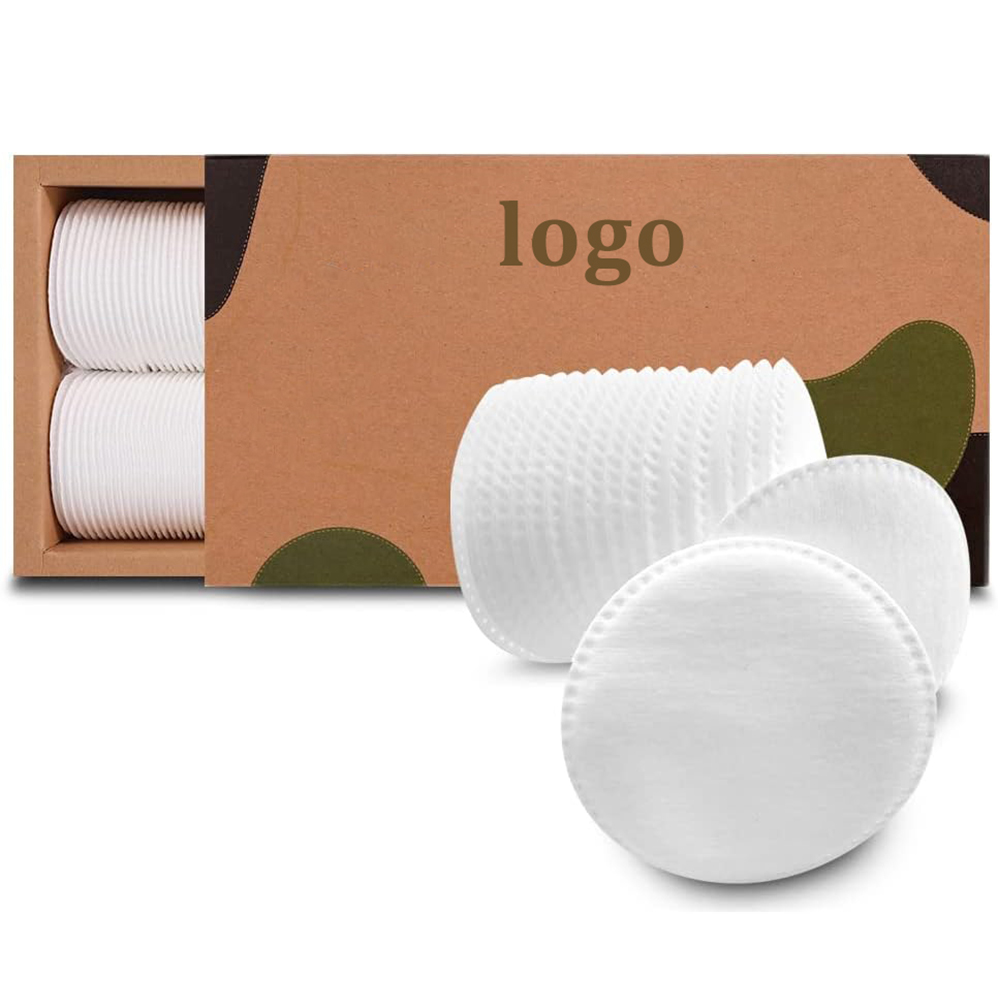
Sustainability-minded shoppers should look beyond the pad itself and assess the packaging in which perforated cotton facial tissues are sold. Plastic-heavy packaging — particularly non-recyclable laminate pouches — can negate a significant portion of the environmental benefit delivered by using biodegradable cotton pads. Look for brands that package their perforated cotton facial tissues in recycled paperboard boxes, compostable pouches, or refillable containers.
Pack size also plays a role in overall waste reduction. Larger packs, such as 200-count options, generate less packaging waste per unit of product compared to multiple small packs of 50 or 100 pads. From a cost-per-use perspective, larger packs also offer better value, making them a practical choice for consumers who use perforated cotton facial tissues consistently as part of a morning and evening skincare regimen.
Some brands are beginning to offer subscription or refill models for their perforated cotton facial tissues, reducing both delivery packaging and the carbon footprint associated with repeated small shipments. If your usage is consistent and predictable, this kind of arrangement is worth exploring as a way to deepen your commitment to sustainable skincare without adding inconvenience to your routine.
Certifications and Claims Worth Trusting
Recognized Standards for Cotton and Eco Products
Not all eco-claims carry equal weight, and learning to interpret certifications accurately is essential when shopping for perforated cotton facial tissues. The Global Organic Textile Standard, commonly known as GOTS, is one of the most rigorous and respected certifications for organic cotton products. A GOTS-certified perforated cotton facial tissue has been verified through independent auditing at every stage of the supply chain, from fiber cultivation to finished product.
The OEKO-TEX Standard 100 is another widely recognized mark of safety and environmental responsibility. Products bearing this certification have been tested for over 100 harmful substances and confirmed safe for skin contact at the most sensitive level. For perforated cotton facial tissues used daily on the face — including around the eyes and lips — OEKO-TEX certification provides meaningful assurance of chemical safety alongside ecological credentials.
Consumers should be cautious of vague terms such as 'natural,' 'pure,' or 'gentle,' which carry no regulatory definition and can be applied by any brand without verification. When evaluating perforated cotton facial tissues, prioritize products that back their claims with independently audited certifications rather than relying on self-declared environmental or quality attributes.
Matching the Right Tissue to Your Skin Type and Routine
Different skin types interact differently with perforated cotton facial tissues, and selecting the right variant requires understanding your own skin's baseline needs. For oily or combination skin types, a slightly more textured perforation pattern can aid in the thorough removal of excess sebum and residual sunscreen without requiring multiple passes. The light mechanical action of a well-perforated pad can make cleansing more efficient for this skin profile.
For dry, sensitive, or mature skin, the priority should shift toward softness and a finer weave. Perforated cotton facial tissues made from long-staple organic cotton — a variety known for its exceptional fiber length and resulting smoothness — are the best match for these skin profiles. Longer fibers translate to a smoother surface feel, reduced friction on fragile skin, and lower risk of triggering inflammation or redness during daily use.
Normal skin types have the most flexibility in choosing among available perforated cotton facial tissues and can prioritize eco-credentials, pack size, or brand values without compromising on performance. Regardless of skin type, always introduce a new product gradually, observing how your skin responds over the first week of use before committing to a long-term purchase. Even high-quality natural products can occasionally interact unexpectedly with specific skin sensitivities.
FAQ
Are perforated cotton facial tissues suitable for removing all types of makeup?
Yes, perforated cotton facial tissues are highly effective for removing most types of makeup, including foundation, blush, and eye shadow when paired with an appropriate makeup remover or micellar water. For heavier formulations such as waterproof mascara or long-wear lip color, a brief soaking period before gentle wiping tends to produce the best results without requiring aggressive pressure on the skin.
How do I know if a perforated cotton facial tissue is genuinely biodegradable?
The most reliable way to verify biodegradability is to check for recognized third-party certifications such as GOTS or to look for explicit product labeling confirming the absence of synthetic fibers and chemical binders. Pure cotton perforated cotton facial tissues without plastic reinforcement will biodegrade efficiently in most conditions, while blends containing polyester or polypropylene will not. Always read the full ingredient and material disclosure rather than relying on front-of-pack claims alone.
Can perforated cotton facial tissues be used with active skincare ingredients like retinol or acids?
Perforated cotton facial tissues are compatible with most active skincare ingredients, including AHA and BHA toners, niacinamide solutions, and diluted retinol formulations. Their even liquid distribution and lint-free surface make them well-suited for applying these products uniformly. However, individuals using prescription-strength retinoids or high-concentration acids should minimize mechanical action and allow the product to absorb without excess rubbing to protect the skin barrier.
What is the difference between perforated and non-perforated cotton facial tissues for daily use?
Perforated cotton facial tissues offer several practical advantages over their non-perforated counterparts, including lighter weight per pad, a more even product distribution surface, and a gentle textural element that aids in mild exfoliation. Non-perforated pads tend to use more raw material per unit and can apply product less evenly due to their denser surface. For daily skincare use where consistency, efficiency, and sustainability all matter, perforated versions generally represent the better all-round choice.

