bleached cotton nonwoven material suppliers
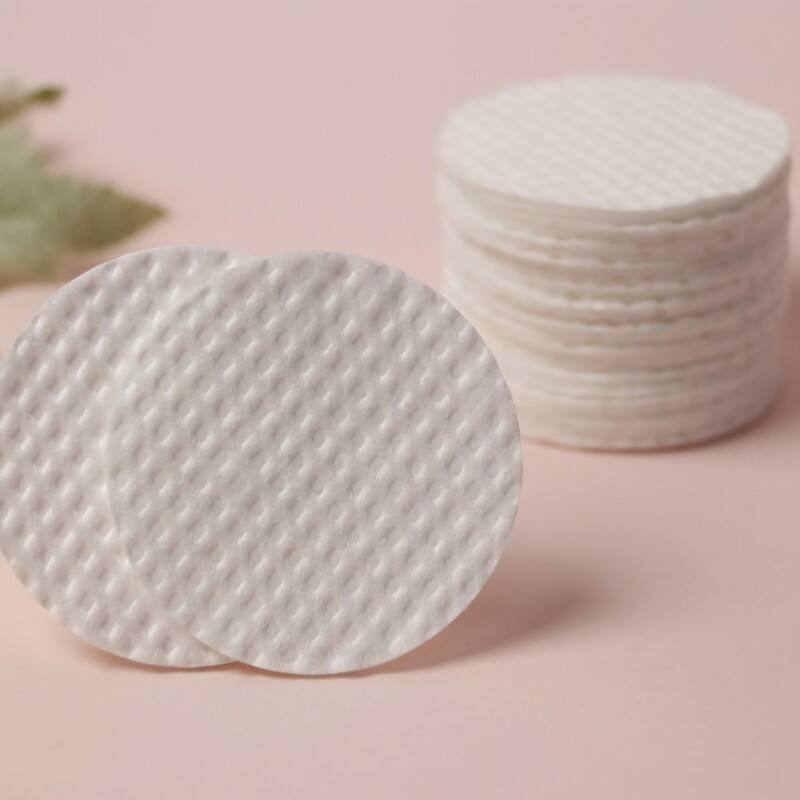
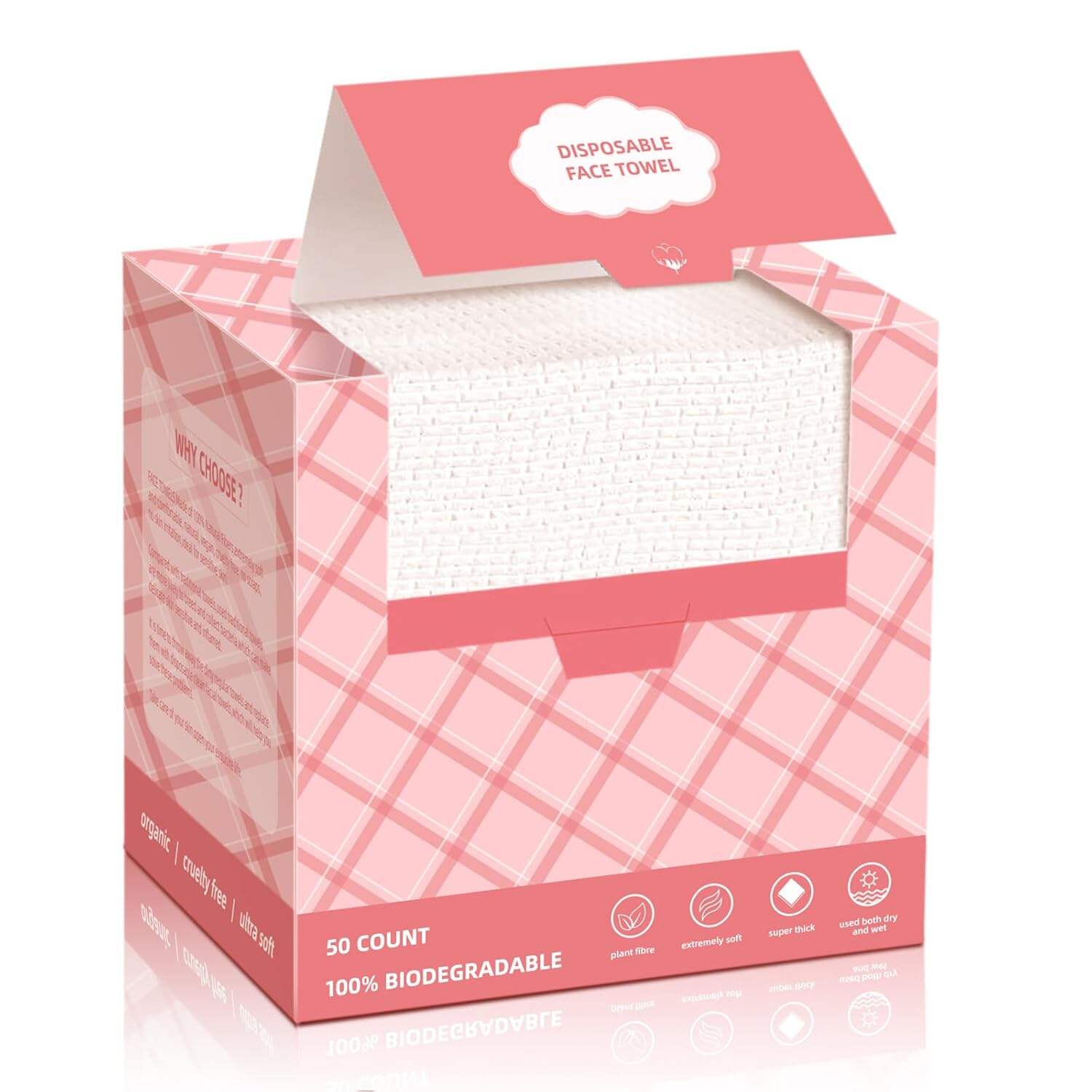
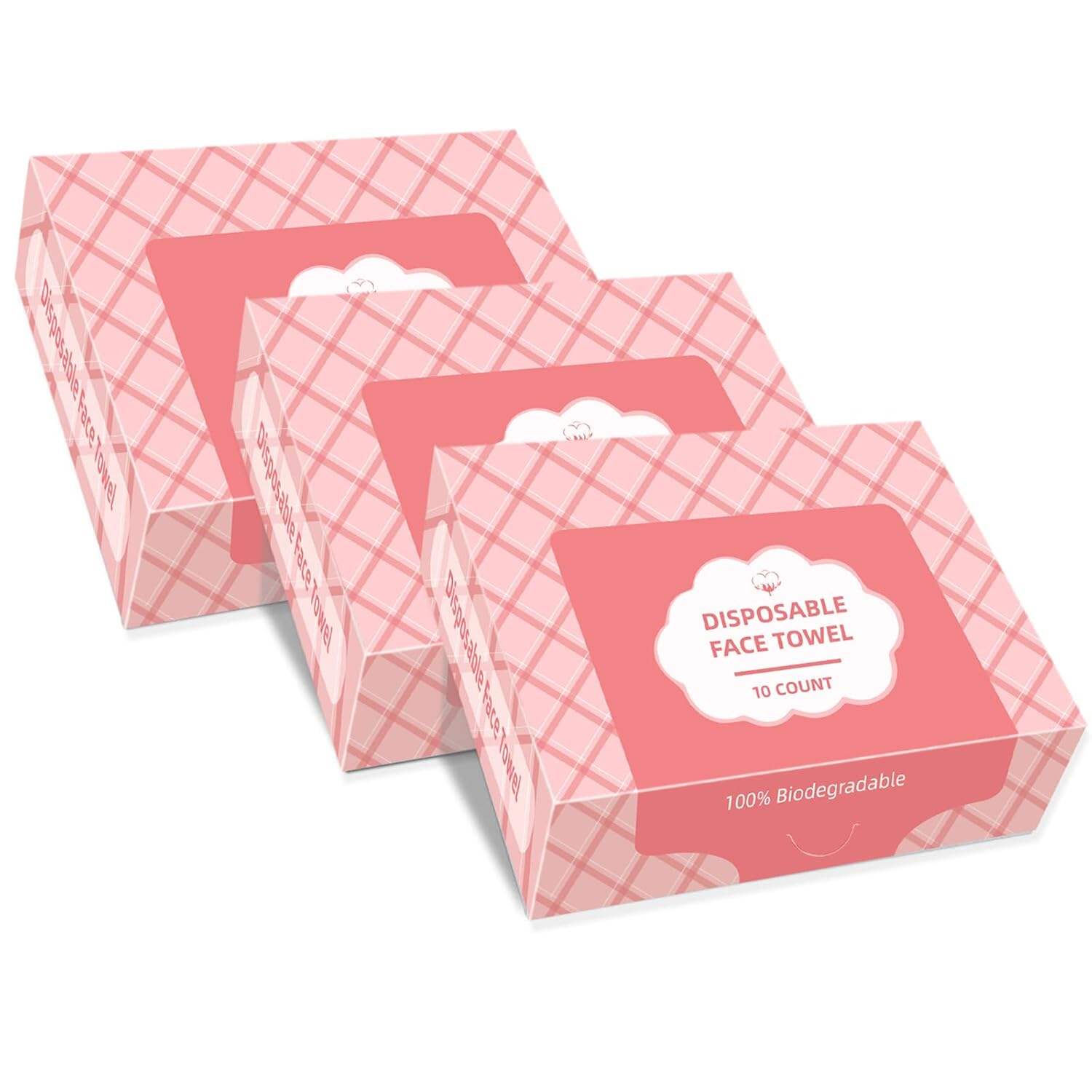
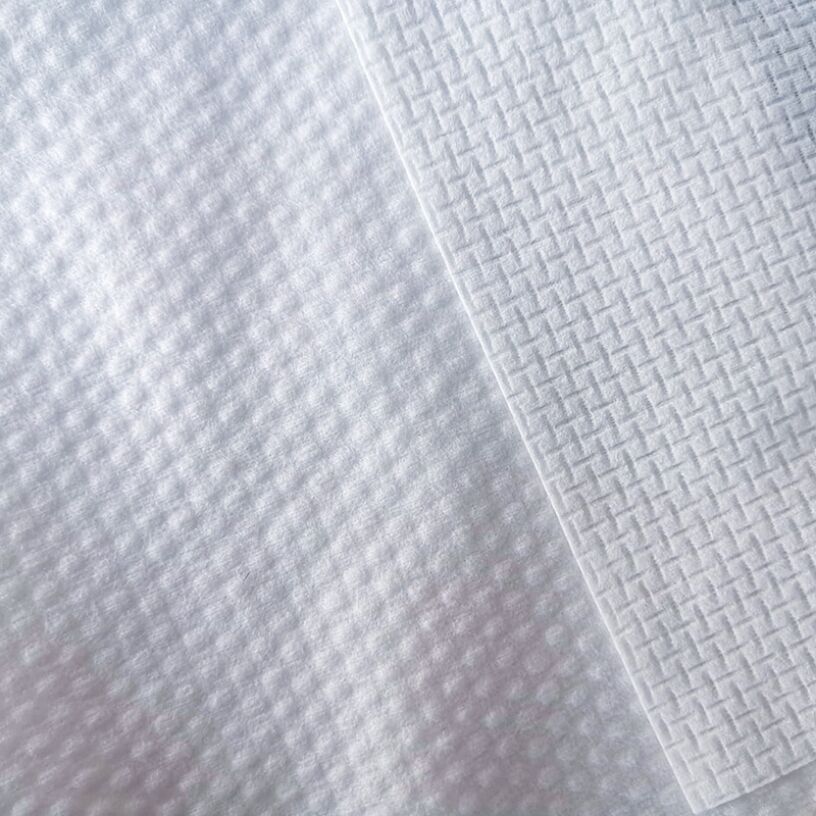
Bleached cotton nonwoven material suppliers play a crucial role in delivering high-quality textile solutions across diverse industries. These specialized manufacturers focus on producing nonwoven fabrics made from bleached cotton fibers, which undergo extensive processing to achieve superior whiteness, purity, and performance characteristics. The primary functions of these materials include filtration, absorption, cushioning, and protective applications in medical, hygiene, automotive, and industrial sectors. Bleached cotton nonwoven material suppliers utilize advanced manufacturing technologies such as carding, cross-lapping, and thermal bonding to create fabrics with consistent fiber distribution and optimal structural integrity. The bleaching process removes natural impurities and colorants from cotton fibers, resulting in materials that meet stringent quality standards for sensitive applications. These suppliers employ state-of-the-art equipment including needle-punching machines, hydroentanglement systems, and chemical bonding technologies to produce nonwoven fabrics with varying densities, thicknesses, and surface characteristics. Key technological features include controlled porosity, enhanced absorbency rates, improved tensile strength, and consistent fiber orientation throughout the material structure. The manufacturing process involves careful selection of raw cotton materials, followed by opening, cleaning, and carding operations to align fibers properly. Subsequently, web formation techniques create uniform fiber layers that undergo bonding processes to achieve desired mechanical properties. Quality control measures ensure that bleached cotton nonwoven material suppliers deliver products meeting international standards for medical-grade applications, filtration efficiency, and chemical resistance. Applications span across wound dressings, surgical drapes, air filtration systems, automotive interior components, geotextiles, and personal care products. The versatility of these materials makes them essential for manufacturers seeking reliable, biodegradable, and cost-effective solutions for various industrial requirements.




 EN
EN