Versatile Manufacturing Compatibility and Customization Options
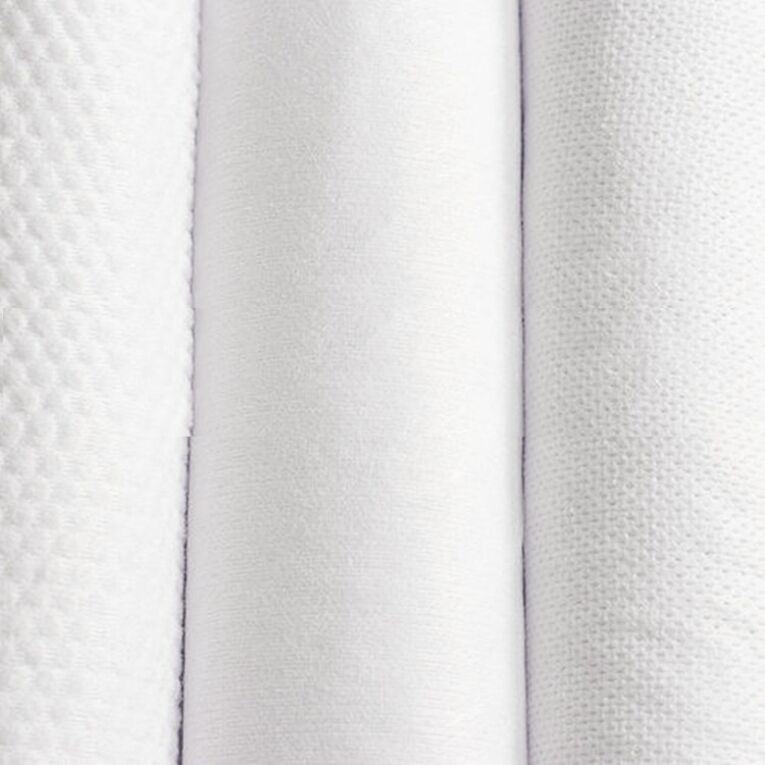
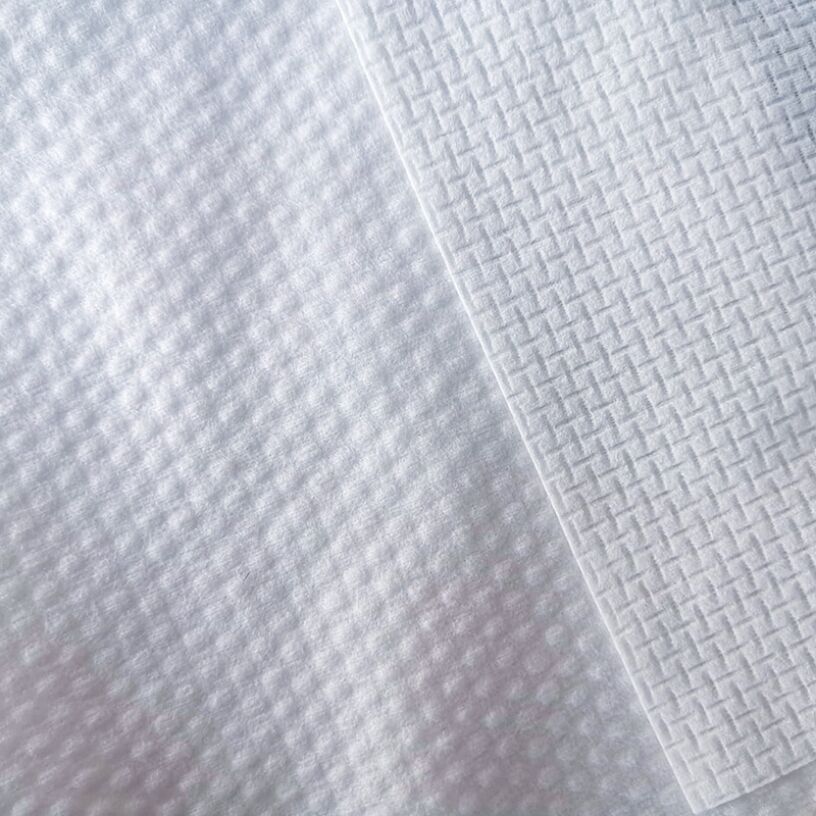
Safe bleached cotton nonwoven material offers unparalleled manufacturing compatibility and customization possibilities, enabling producers to tailor material properties precisely to their specific application requirements while maintaining cost-effective production processes. The material's fibrous structure readily accepts various surface treatments, coatings, and laminations that can enhance or modify its basic properties for specialized applications. Manufacturers can adjust fiber density, web thickness, and bonding patterns during production to create materials with customized absorption rates, tensile strength, and porosity characteristics. This flexibility allows safe bleached cotton nonwoven material to serve diverse industries, from medical device manufacturing to automotive applications, with each implementation optimized for its intended use. The material demonstrates excellent compatibility with printing processes, accepting both water-based and solvent-based inks for branding, instructional graphics, or decorative purposes without compromising its functional properties. Converting operations such as cutting, welding, and forming can be performed using standard textile processing equipment, reducing the need for specialized machinery and keeping production costs manageable. Safe bleached cotton nonwoven material can be combined with other materials through lamination or bonding processes to create composite structures that leverage the benefits of multiple material types. For example, combining the material with plastic films creates moisture barriers while maintaining the cotton's softness and breathability on the user-contact side. Perforation patterns can be precisely controlled during manufacturing to create materials with specific tear characteristics, enabling easy dispensing or portion control in consumer products. The material's thermal properties allow for heat sealing applications, creating sealed edges or compartments without additional adhesives or mechanical fasteners. Chemical compatibility testing ensures that safe bleached cotton nonwoven material maintains its integrity when exposed to various substances commonly encountered in its intended applications, from cleaning agents to biological fluids. Quality assurance protocols validate that customization processes don't compromise the material's fundamental safety and performance characteristics. Batch-to-batch consistency in customized safe bleached cotton nonwoven material is maintained through rigorous process controls and testing procedures, ensuring that manufacturers receive materials meeting their exact specifications for every production run, thereby supporting their quality objectives and customer satisfaction goals.




 EN
EN