Advanced Sterilization Technology Ensuring Maximum Safety
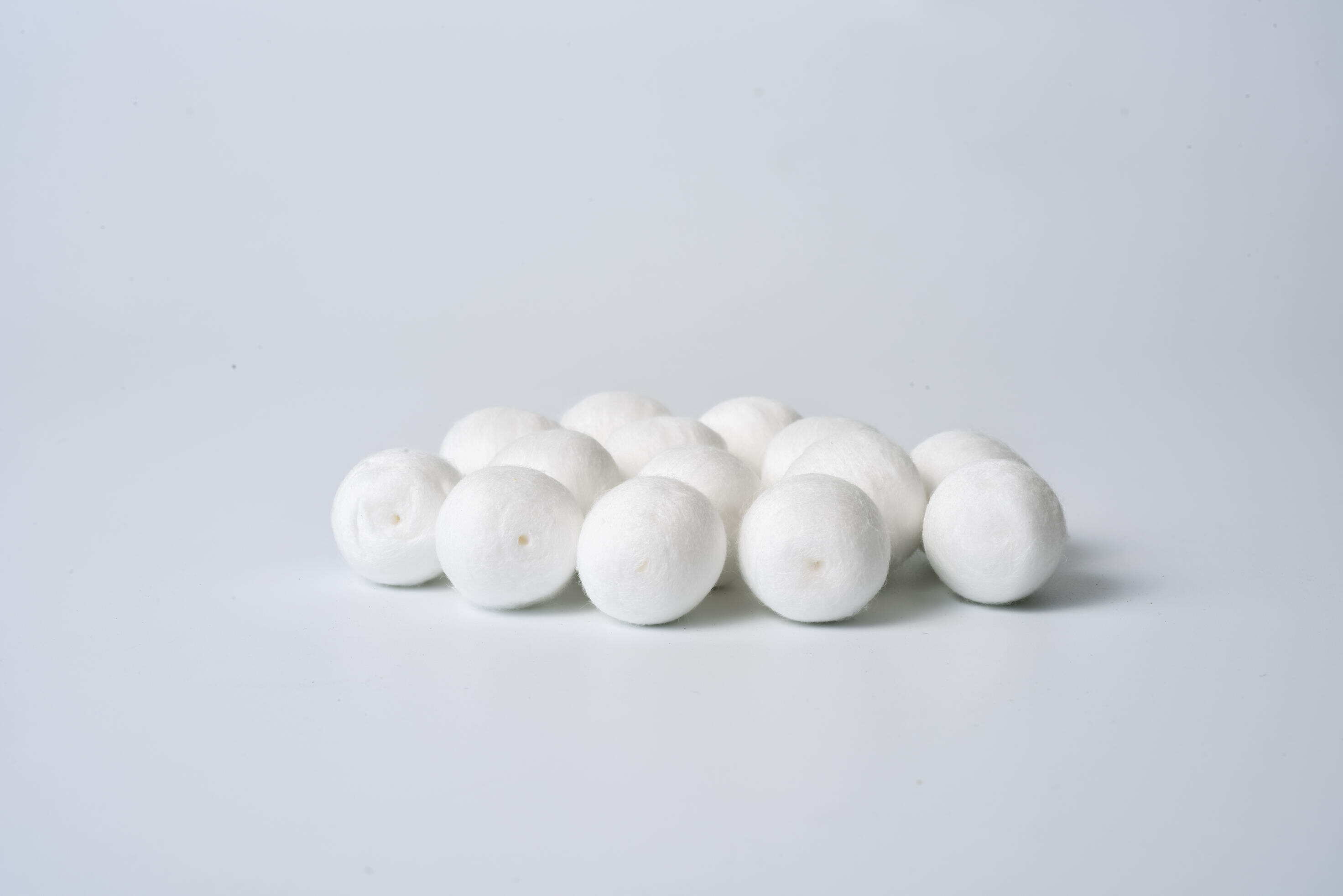
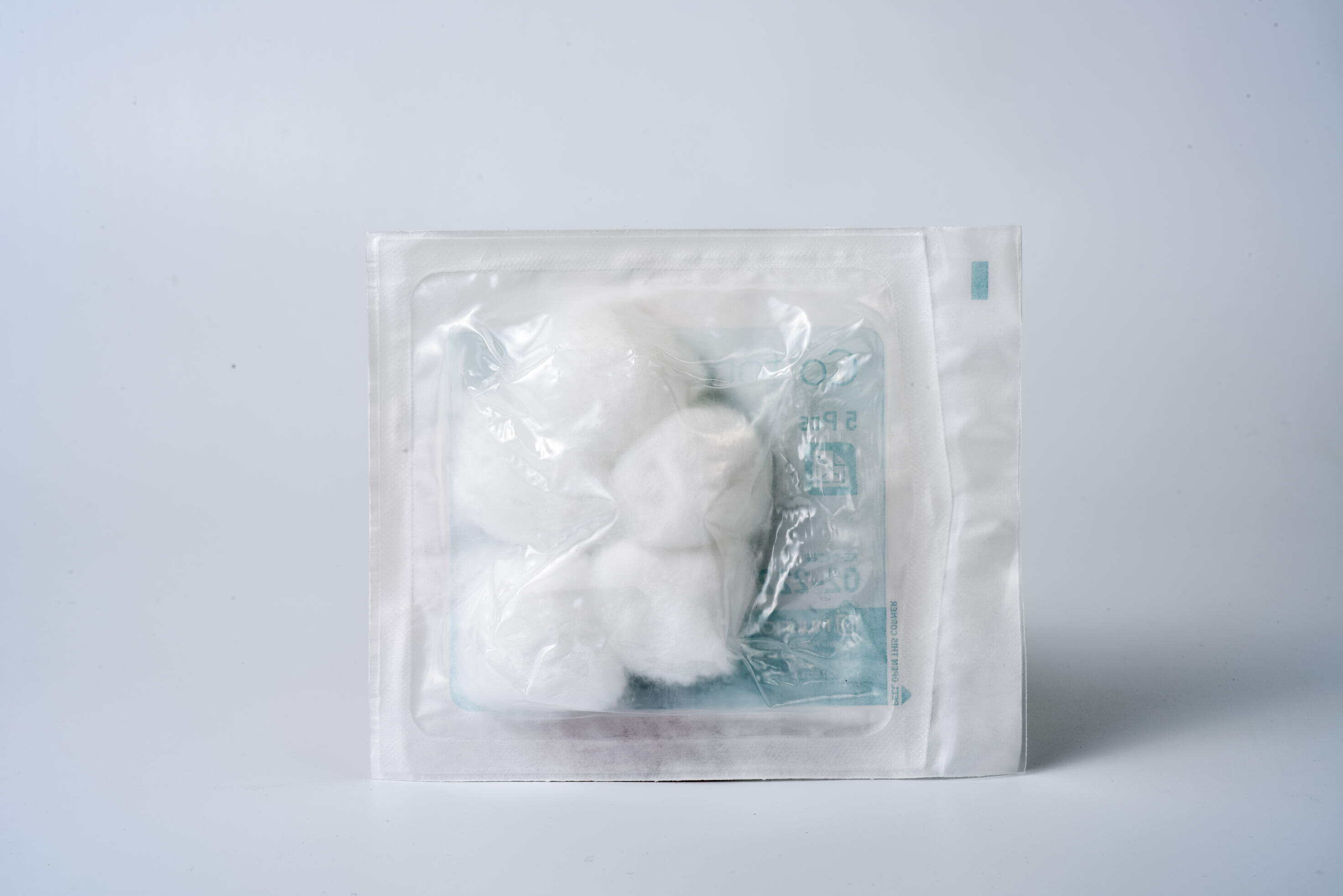
The sterilization process for bulk sterile medical cotton balls employs cutting-edge technology that guarantees the elimination of all potentially harmful microorganisms, including bacteria, viruses, fungi, and spores. This comprehensive sterilization utilizes either gamma radiation or ethylene oxide gas methods, both recognized as gold standards in medical device sterilization by international healthcare organizations. The gamma radiation process exposes cotton balls to controlled doses of ionizing radiation that penetrates completely through the material, destroying microbial DNA and preventing any possibility of reproduction or survival. This method preserves the natural properties of cotton fibers while achieving sterility assurance levels that exceed industry requirements. Alternatively, the ethylene oxide sterilization process uses carefully controlled gas exposure in specialized chambers, where temperature, humidity, and gas concentration are precisely monitored to ensure complete microbial elimination. The sterilization validation process includes biological indicators placed throughout each batch to verify the effectiveness of the sterilization cycle. These indicators contain highly resistant bacterial spores that serve as the ultimate test of sterilization success. Only when these biological indicators confirm complete microbial destruction are the bulk sterile medical cotton balls released for medical use. The sterilization process documentation includes detailed records of cycle parameters, biological indicator results, and chemical indicator responses, providing full traceability for quality assurance purposes. Post-sterilization testing verifies that cotton balls maintain their essential properties, including absorbency, tensile strength, and fiber integrity, ensuring they perform optimally during medical procedures. This rigorous approach to sterilization technology makes bulk sterile medical cotton balls suitable for the most demanding medical applications, including surgical procedures, intensive care units, and emergency departments where patient safety cannot be compromised.





 EN
EN