orthopedic cast padding
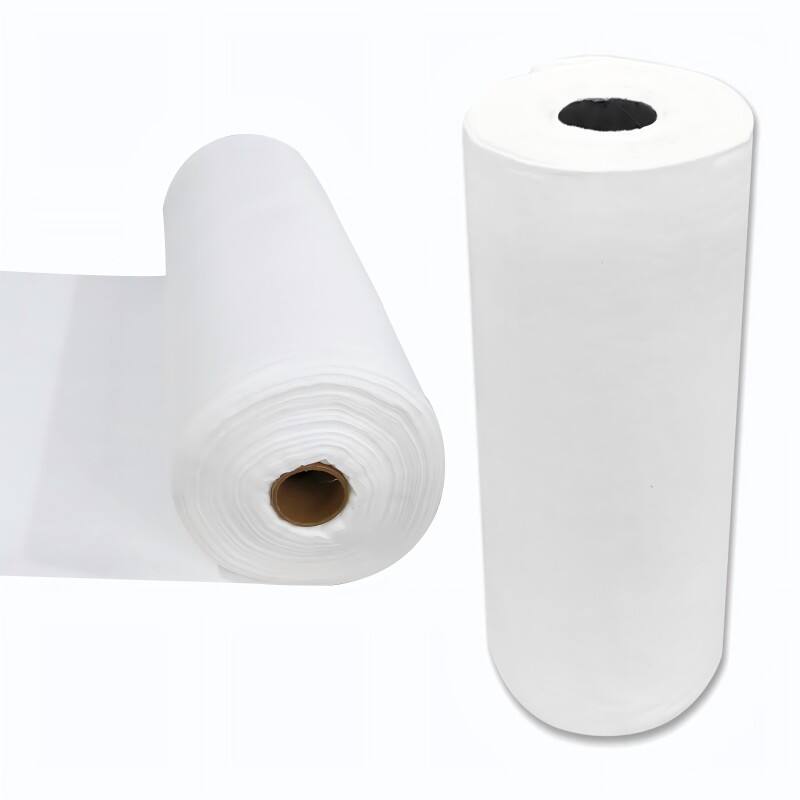
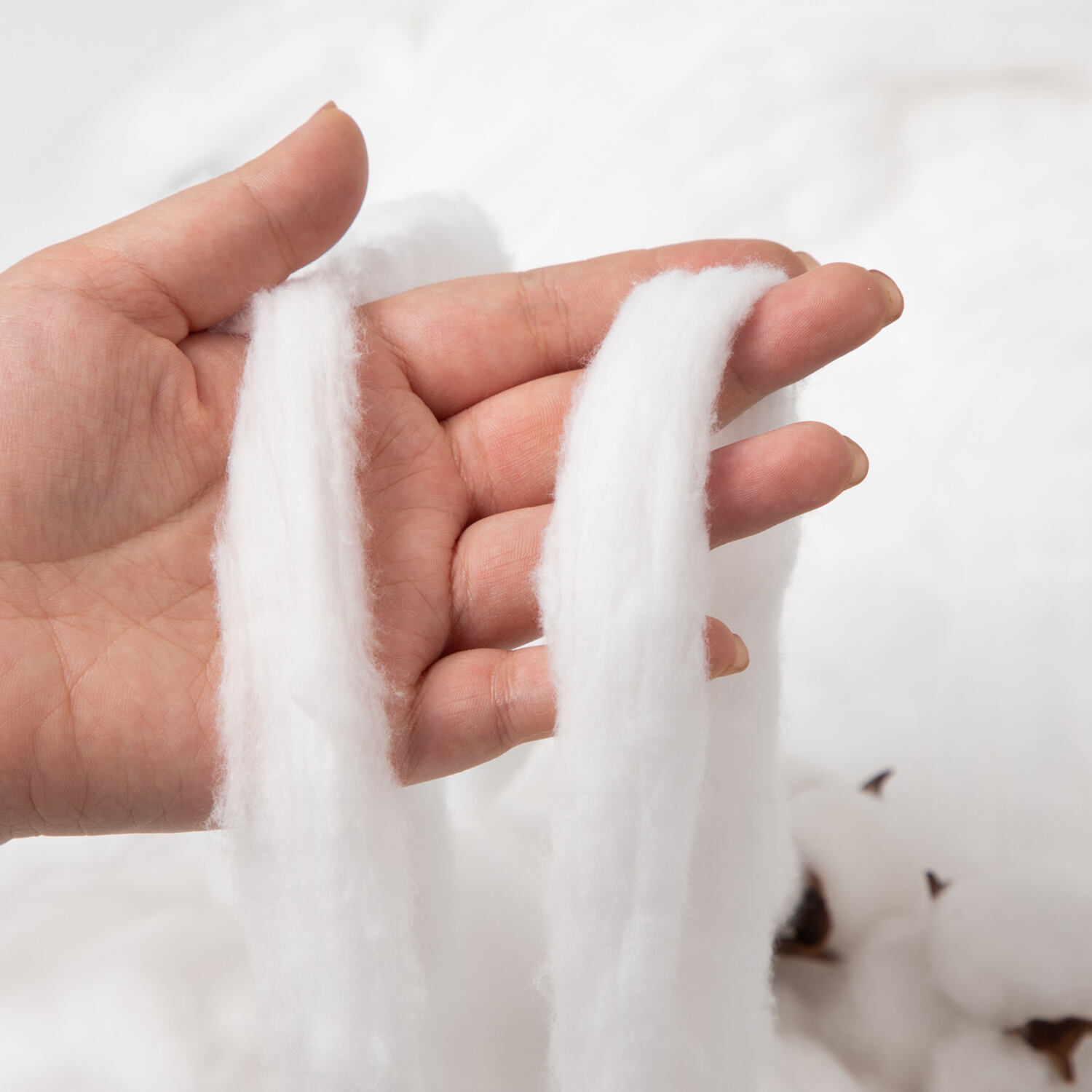
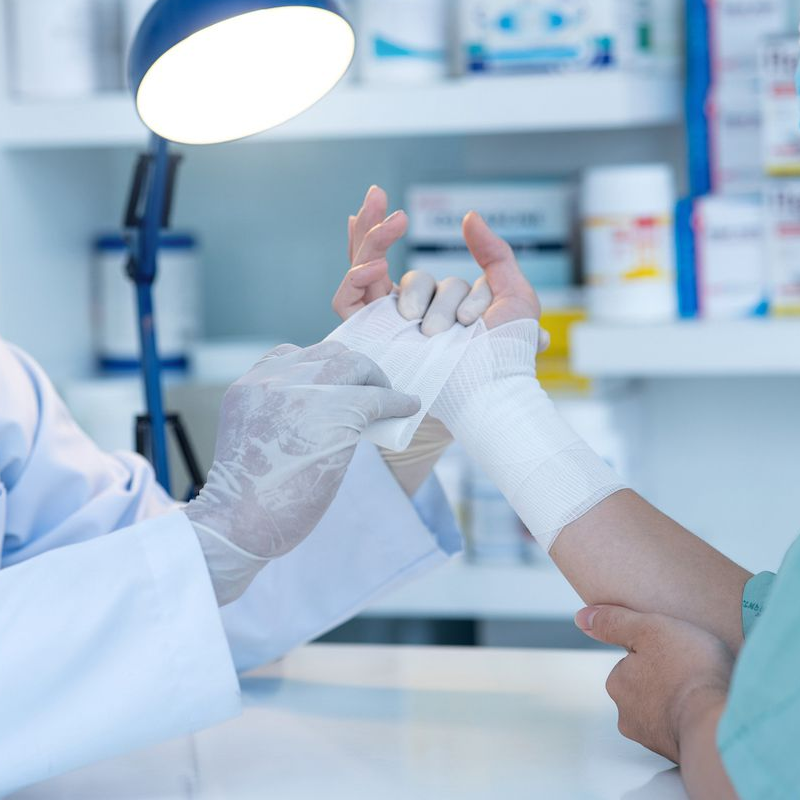
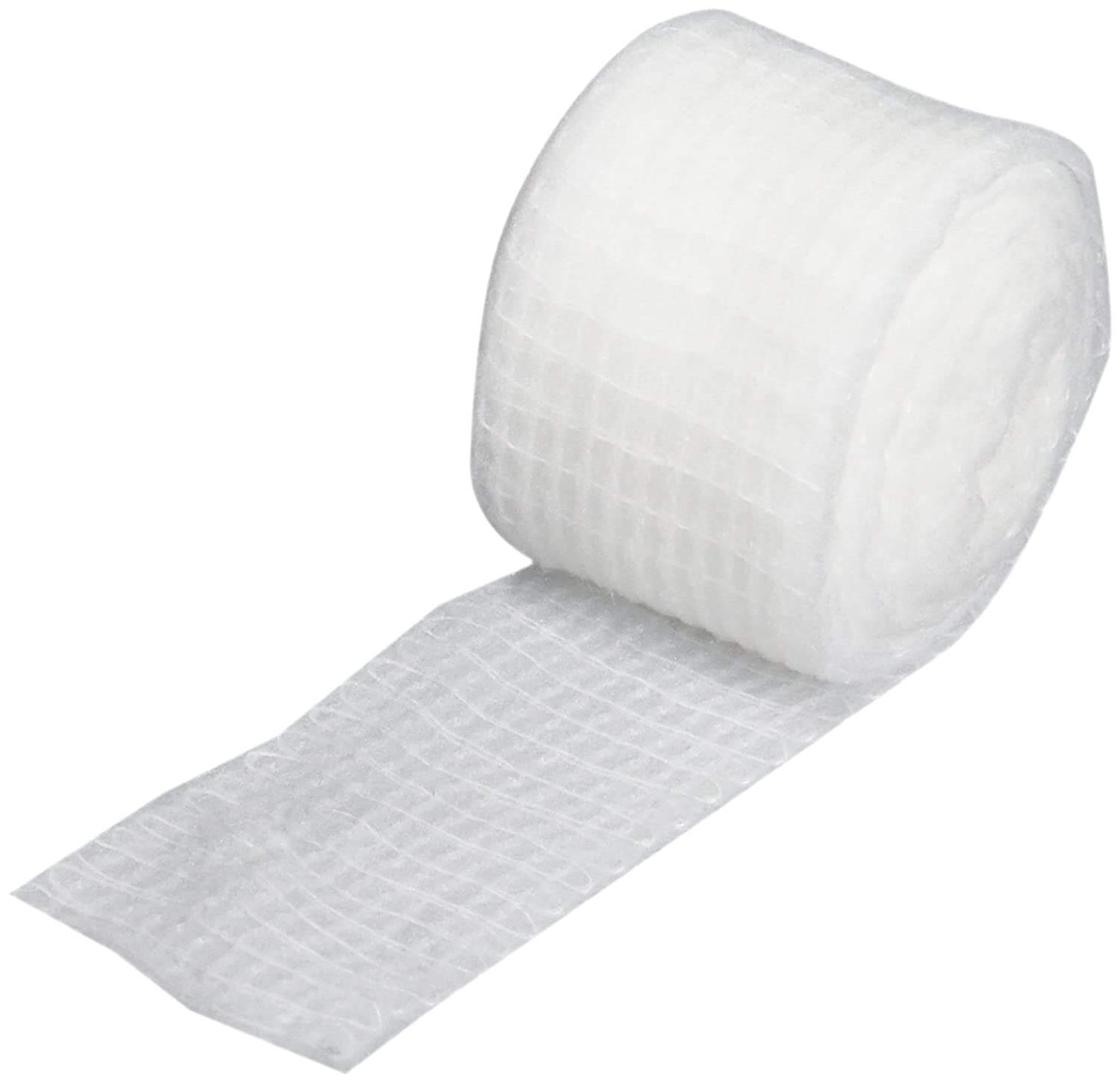
Orthopedic cast padding represents a critical component in modern fracture treatment and bone healing processes. This specialized medical material serves as the essential protective layer between the patient's skin and the rigid casting material, whether it be plaster, fiberglass, or synthetic alternatives. The primary function of orthopedic cast padding involves creating a comfortable barrier that prevents direct contact between hard casting materials and delicate skin surfaces, thereby reducing the risk of pressure sores, skin irritation, and circulation complications. The padding material typically consists of synthetic cotton or polyester fibers that are engineered to maintain their cushioning properties even under compression from the overlying cast. Technologically, orthopedic cast padding incorporates advanced fiber construction that allows for optimal moisture management while maintaining structural integrity throughout the healing period. The material features a unique weave pattern that promotes air circulation, helping to minimize the accumulation of moisture and bacteria that could lead to skin infections or unpleasant odors. Modern orthopedic cast padding utilizes antimicrobial treatments that actively inhibit bacterial growth, providing an additional layer of protection for patients during extended wear periods. The padding's compression-resistant properties ensure consistent thickness and cushioning throughout the duration of treatment, preventing the development of pressure points that could compromise patient comfort or healing outcomes. Applications of orthopedic cast padding extend across various medical scenarios, including fracture immobilization, post-surgical support, and corrective treatments for bone deformities. Healthcare professionals rely on this material for pediatric cases where skin sensitivity is heightened, as well as for elderly patients whose skin may be more fragile and prone to breakdown. The versatility of orthopedic cast padding makes it suitable for upper and lower extremity applications, spinal support systems, and specialized orthotic devices. Its compatibility with different casting materials ensures seamless integration into existing treatment protocols while maintaining the therapeutic effectiveness of the overall immobilization system.



 EN
EN