Professional Sterilization and Packaging Tools - Advanced Medical Device Processing Solutions

Get a Free Quote

Our representative will contact you soon.
Email
Company Name
Name
Phone number
Product
Message
0/1000

sterilization and packaging tools

Sterilization and packaging tools represent essential equipment in healthcare, pharmaceutical, and laboratory environments where maintaining sterile conditions is paramount. These sophisticated systems combine advanced sterilization technology with precise packaging capabilities to ensure medical instruments, pharmaceuticals, and laboratory materials remain contamination-free throughout storage and distribution. Modern sterilization and packaging tools utilize multiple sterilization methods including steam autoclaving, ethylene oxide gas, gamma radiation, and hydrogen peroxide plasma to eliminate bacteria, viruses, spores, and other microorganisms effectively. The packaging component integrates seamlessly with sterilization processes, employing specialized materials like medical-grade films, Tyvek, and breathable membranes that allow sterilant penetration while maintaining barrier properties post-sterilization. These tools feature automated control systems with programmable cycles, temperature monitoring, pressure regulation, and validation protocols that ensure consistent results and regulatory compliance. Advanced models incorporate real-time monitoring sensors, data logging capabilities, and traceability systems that document every sterilization cycle for quality assurance purposes. The technological framework includes vacuum systems for air removal, steam generators for moist heat sterilization, and precision sealing mechanisms for package integrity. Applications span across surgical instrument processing, pharmaceutical manufacturing, laboratory equipment sterilization, and medical device packaging. Healthcare facilities rely on these tools for operating room instrument preparation, while pharmaceutical companies use them for drug packaging and equipment sterilization. Research laboratories depend on sterilization and packaging tools for maintaining sterile culture media, laboratory glassware, and research materials. The versatility of these systems allows customization for specific industry requirements, accommodating various load sizes, sterilization parameters, and packaging formats to meet diverse operational needs across different sectors.

New Product Releases

The primary advantage of sterilization and packaging tools lies in their ability to guarantee complete microbial elimination while preserving product integrity throughout the entire process. These systems deliver consistent, validated sterilization results that meet stringent regulatory standards set by FDA, ISO, and other international bodies, providing healthcare facilities and manufacturers with confidence in their sterile processing procedures. The automated operation significantly reduces human error risks compared to manual sterilization methods, ensuring reproducible outcomes every cycle while minimizing operator exposure to hazardous sterilants. Cost-effectiveness emerges as a major benefit, as these tools eliminate the need for outsourcing sterilization services while reducing product waste through reliable processing and extended shelf life of sterilized items. The integrated packaging functionality streamlines workflow efficiency by combining sterilization and packaging into one seamless operation, reducing processing time and labor costs substantially. These tools offer exceptional versatility, accommodating diverse materials from delicate electronics to robust surgical instruments, with customizable parameters that adapt to specific sterilization requirements without compromising efficacy. Environmental benefits include reduced chemical consumption through optimized sterilant usage and energy-efficient designs that minimize operational costs and environmental impact. The real-time monitoring and documentation capabilities provide comprehensive traceability, enabling facilities to track every processed item and maintain detailed records for regulatory compliance and quality audits. Enhanced safety features protect operators through automated handling systems, enclosed processing chambers, and built-in safety interlocks that prevent exposure to sterilants and high temperatures. The rapid cycle times available with modern sterilization and packaging tools increase throughput capacity, allowing facilities to process larger volumes without compromising quality or extending operational hours. Long-term reliability and durability reduce maintenance costs and equipment downtime, ensuring continuous operation in critical healthcare and manufacturing environments where interruptions can have serious consequences for patient safety and production schedules.

Tips And Tricks

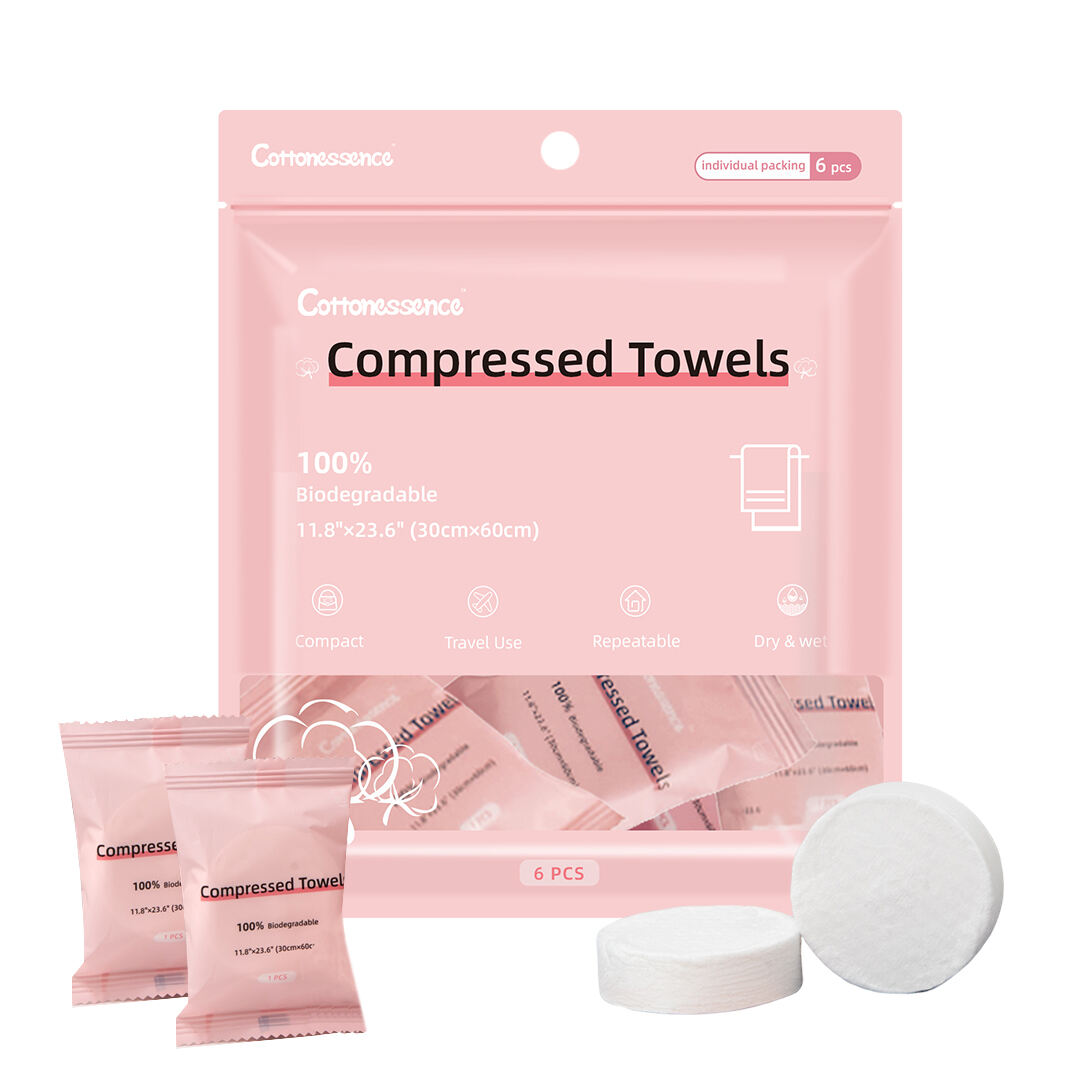
Are Compressed Towels the Ultimate Travel Hack?

06

Sep

Are Compressed Towels the Ultimate Travel Hack?

View More
What are the different types of ALCOHOL PREP PADS available and their specific uses?

25

Dec

What are the different types of ALCOHOL PREP PADS available and their specific uses?

View More
How should medical absorbent cotton be stored to maintain its sterility and effectiveness?

07

Nov

How should medical absorbent cotton be stored to maintain its sterility and effectiveness?

View More
What are face towel compressed towels/lazy cloths?

07

Jan

What are face towel compressed towels/lazy cloths?

Compressed face towels are compact, eco-friendly cloths that expand with water. Perfect for travel, they're hygienic, reusable, and gentle on skin.
View More

Get a Free Quote

Our representative will contact you soon.
Email
Company Name
Name
Phone number
Product
Message
0/1000

sterilization and packaging tools

Advanced Multi-Modal Sterilization Technology

Advanced Multi-Modal Sterilization Technology

The cornerstone feature of modern sterilization and packaging tools is their advanced multi-modal sterilization technology that combines multiple sterilization methods to achieve comprehensive microbial elimination across diverse applications. This sophisticated approach integrates steam sterilization, ethylene oxide gas treatment, hydrogen peroxide plasma, and low-temperature sterilization methods within a single versatile platform. The steam sterilization component operates at precisely controlled temperatures ranging from 121°C to 134°C with saturated steam that penetrates materials effectively while maintaining optimal pressure conditions for thorough sterilization. Ethylene oxide capabilities enable processing of heat-sensitive materials like electronics, plastics, and complex medical devices that cannot withstand high-temperature steam treatment, utilizing precise gas concentration control and aeration cycles for safe, effective sterilization. Hydrogen peroxide plasma technology offers rapid, low-temperature sterilization ideal for delicate instruments and materials, generating reactive species that destroy microorganisms without leaving toxic residues. The integrated control system automatically selects optimal sterilization parameters based on load composition and material specifications, ensuring consistent results while preventing damage to sensitive items. Advanced sensors continuously monitor critical parameters including temperature, pressure, humidity, and sterilant concentration, providing real-time feedback and automatic adjustments to maintain optimal conditions throughout each cycle. The multi-modal approach significantly expands the range of materials and products that can be processed effectively, from traditional surgical instruments to modern electronic medical devices, pharmaceutical products, and laboratory equipment. This versatility eliminates the need for multiple specialized sterilization systems, reducing capital investment and operational complexity while ensuring comprehensive sterilization capabilities. The system includes pre-programmed cycles for common applications and customizable parameters for specialized requirements, accommodating unique industry needs and emerging sterilization challenges. Quality validation protocols verify sterilization efficacy through biological indicators, chemical indicators, and physical monitoring systems that confirm complete microbial elimination and process effectiveness for every cycle.
Intelligent Packaging Integration System

Intelligent Packaging Integration System

The intelligent packaging integration system represents a revolutionary advancement in sterilization and packaging tools, seamlessly combining sterilization processes with precision packaging capabilities to create a unified, efficient workflow. This integrated approach eliminates traditional bottlenecks between sterilization and packaging operations, reducing handling requirements and minimizing contamination risks through automated material flow and enclosed processing environments. The system accommodates diverse packaging materials including medical-grade films, Tyvek breathable membranes, foil laminates, and specialized barrier materials designed for specific sterilization methods and storage requirements. Advanced material handling mechanisms automatically position items within appropriate packaging configurations while maintaining sterile conditions throughout the process. The precision sealing technology creates hermetic seals that preserve sterility during extended storage periods while allowing sterilant penetration during processing cycles. Intelligent sensors detect package integrity, ensuring proper seal formation and identifying potential defects before products enter distribution channels. The system features adjustable packaging formats to accommodate various item sizes and configurations, from individual instruments to complete surgical sets, with customizable compartmentalization for organized storage and easy identification. Automated labeling capabilities integrate with tracking systems to provide comprehensive product identification, including sterilization date, expiration information, lot numbers, and traceability data for complete supply chain management. The packaging process parameters synchronize with sterilization cycles to optimize material properties and ensure compatibility between packaging materials and sterilization methods. Quality control features include leak detection, seal strength testing, and package integrity verification that guarantee packaging performance meets stringent medical device standards. The integrated approach reduces processing time by up to 60% compared to separate sterilization and packaging operations while improving consistency and reducing labor costs. Environmental considerations include optimized material usage, reduced waste generation, and energy-efficient operations that minimize the ecological footprint of sterilization and packaging processes. The system maintains detailed documentation of all packaging operations, providing complete audit trails for regulatory compliance and quality assurance purposes.
Comprehensive Validation and Traceability Framework

Comprehensive Validation and Traceability Framework

The comprehensive validation and traceability framework integrated within modern sterilization and packaging tools establishes an unprecedented level of quality assurance and regulatory compliance that addresses the stringent requirements of healthcare, pharmaceutical, and laboratory environments. This sophisticated system combines real-time monitoring, automated documentation, and comprehensive data analysis to provide complete visibility into every aspect of the sterilization and packaging process. Advanced sensor networks continuously monitor critical process parameters including temperature distribution, pressure variations, humidity levels, sterilant concentration, and exposure times with precision accuracy that ensures optimal sterilization conditions throughout each cycle. The integrated data logging system captures and stores all process information with tamper-proof security measures that maintain data integrity for regulatory audits and quality investigations. Biological indicator integration provides definitive proof of sterilization efficacy through automated spore testing protocols that verify microbial elimination and process effectiveness. Chemical indicator systems complement biological validation by providing immediate visual confirmation of proper sterilization conditions, with automated reading capabilities that eliminate interpretation errors. The traceability framework assigns unique identifiers to each processed item, creating detailed records that track products from initial processing through distribution and eventual use. Barcode and RFID integration enables seamless tracking throughout healthcare facilities and supply chains, providing instant access to sterilization history, expiration dates, and quality information. Automated alert systems notify operators of process deviations, equipment maintenance requirements, and quality issues that require immediate attention, preventing compromised products from entering distribution. The validation protocols include comprehensive cycle development and validation studies that establish proven sterilization parameters for new products and materials. Statistical analysis tools evaluate process performance trends, identifying optimization opportunities and potential issues before they affect product quality. Regulatory compliance features ensure adherence to FDA, ISO 13485, ISO 11135, and other international standards through automated documentation and reporting capabilities. The system generates detailed batch records, validation reports, and compliance documentation required for regulatory submissions and facility inspections. Remote monitoring capabilities enable quality personnel to oversee operations from multiple locations while maintaining complete process control and documentation.
email goToTop