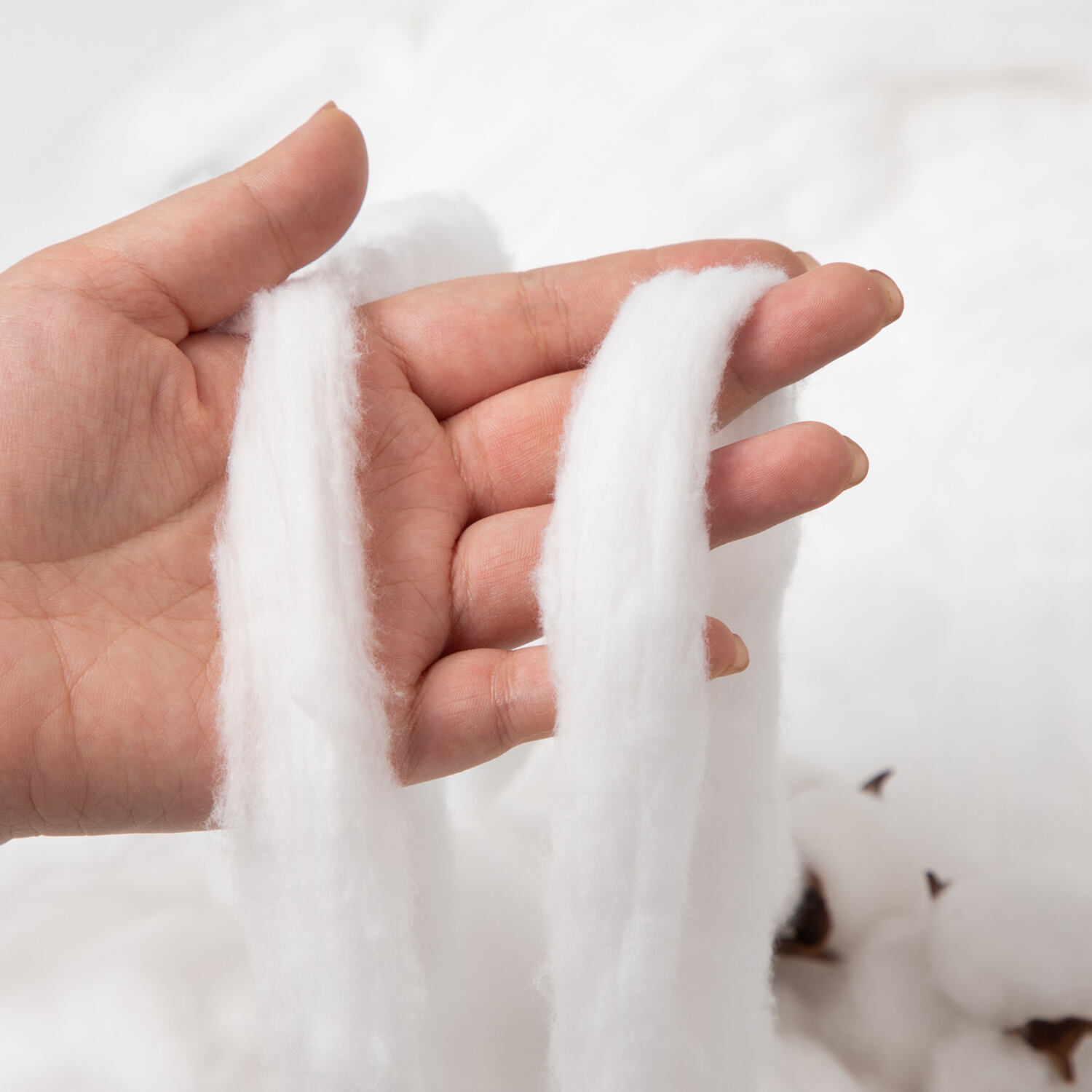
Premium Rayon Nonwoven Fabric: Sustainable, Absorbent & Skin-Friendly Textile Solutions

Get a Free Quote

Our representative will contact you soon.
Email
Company Name
Name
Phone number
Product
Message
0/1000

rayon nonwoven fabric

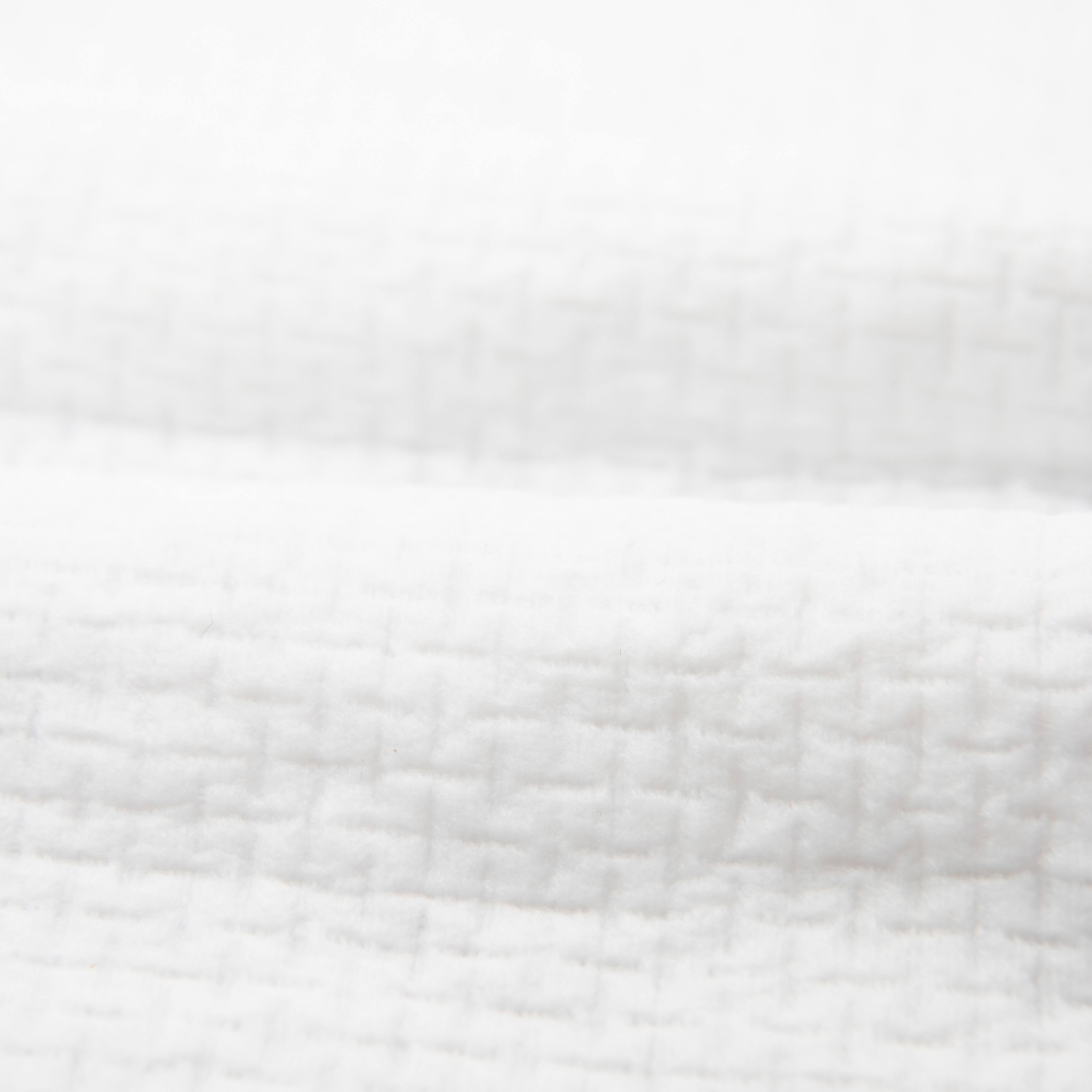
Rayon nonwoven fabric represents a revolutionary textile innovation that combines the natural comfort of cellulose fibers with advanced manufacturing techniques. This versatile material is produced through specialized processes that transform rayon fibers into a cohesive fabric structure without traditional weaving or knitting methods. The rayon nonwoven fabric offers exceptional softness, breathability, and absorbency, making it an ideal choice for numerous commercial and industrial applications. The manufacturing process begins with high-quality rayon fibers, which are derived from natural cellulose sources such as wood pulp or bamboo. These fibers undergo mechanical, thermal, or chemical bonding processes to create a stable fabric structure. The technological features of rayon nonwoven fabric include excellent moisture management properties, superior drape characteristics, and outstanding dimensional stability. The fabric maintains its integrity even when exposed to various environmental conditions, ensuring consistent performance across different applications. Key functions of rayon nonwoven fabric encompass filtration, absorption, barrier protection, and comfort enhancement. Its unique fiber structure allows for optimal air permeability while providing effective liquid absorption capabilities. The material exhibits natural antimicrobial properties, making it suitable for hygiene and medical applications. Industries ranging from healthcare and personal care to automotive and construction utilize rayon nonwoven fabric for its reliable performance characteristics. The fabric's biodegradable nature aligns with sustainable manufacturing practices, offering an environmentally conscious alternative to synthetic nonwoven materials. Applications span across disposable medical products, feminine hygiene items, baby diapers, wet wipes, automotive interiors, and industrial filtration systems. The versatility of rayon nonwoven fabric continues to drive innovation in product development across multiple sectors.

Popular Products

Rayon nonwoven fabric delivers numerous practical advantages that make it a preferred choice for manufacturers and consumers alike. The material excels in moisture absorption, capable of holding up to three times its weight in liquid while maintaining structural integrity. This superior absorbency stems from the natural cellulose fiber structure, which creates microscopic spaces that effectively capture and retain moisture. The fabric provides exceptional softness against skin, eliminating irritation and discomfort commonly associated with synthetic alternatives. Users experience enhanced comfort due to the smooth fiber surface and natural breathability properties. The biodegradable nature of rayon nonwoven fabric offers significant environmental benefits, decomposing naturally within months compared to synthetic materials that persist for decades. This eco-friendly characteristic appeals to environmentally conscious consumers and supports corporate sustainability initiatives. Manufacturing processes for rayon nonwoven fabric require less energy consumption compared to traditional woven textiles, resulting in reduced production costs and lower carbon footprint. The material demonstrates excellent compatibility with various treatment processes, allowing for customization of properties such as water resistance, flame retardancy, or antimicrobial enhancement. Quality control measures ensure consistent performance across production batches, providing manufacturers with reliable material specifications. The fabric exhibits outstanding dimensional stability, maintaining its shape and properties throughout its intended lifespan. Processing versatility enables manufacturers to create products with varying thicknesses, densities, and surface textures to meet specific application requirements. Cost-effectiveness represents another significant advantage, as rayon nonwoven fabric typically costs less than comparable natural fiber alternatives while delivering superior performance. The material resists tearing and maintains durability under normal use conditions, extending product lifespan and reducing replacement frequency. Easy processing capabilities allow for efficient manufacturing operations, including cutting, sealing, and bonding processes. The hypoallergenic properties of rayon nonwoven fabric make it suitable for sensitive skin applications, reducing the risk of allergic reactions or skin irritation.

Practical Tips

Why Choose Jiaxin Medical's Cotton Spunlace ?

06

Sep

Why Choose Jiaxin Medical's Cotton Spunlace ?

View More
Are Medical Cotton Balls the Unsung Heroes of Healthcare?

06

Sep

Are Medical Cotton Balls the Unsung Heroes of Healthcare?

View More
How should medical absorbent cotton be stored to maintain its sterility and effectiveness?

07

Nov

How should medical absorbent cotton be stored to maintain its sterility and effectiveness?

View More
Are there any differences and uses between medical cotton swabs and beauty cotton swabs?

25

Dec

Are there any differences and uses between medical cotton swabs and beauty cotton swabs?

View More

Get a Free Quote

Our representative will contact you soon.
Email
Company Name
Name
Phone number
Product
Message
0/1000

rayon nonwoven fabric

Exceptional Moisture Management and Absorption Technology

Exceptional Moisture Management and Absorption Technology

The rayon nonwoven fabric stands out in the textile industry due to its remarkable moisture management capabilities, which stem from the unique molecular structure of rayon fibers combined with advanced nonwoven manufacturing techniques. This exceptional absorption technology makes the material highly sought after for applications requiring superior liquid handling performance. The cellulose-based rayon fibers contain numerous hydroxyl groups that create strong hydrogen bonds with water molecules, enabling the fabric to absorb moisture rapidly and efficiently. This natural affinity for water allows rayon nonwoven fabric to absorb liquids at rates significantly faster than synthetic alternatives, making it ideal for time-sensitive applications such as medical procedures or personal care products. The three-dimensional fiber structure creates an extensive network of capillary spaces that facilitate quick liquid distribution throughout the fabric matrix. This uniform distribution prevents liquid pooling and ensures consistent absorption performance across the entire surface area. The fabric maintains its structural integrity even when fully saturated, preventing breakdown or disintegration that could compromise product performance. Advanced manufacturing processes can be tailored to optimize pore size and distribution, allowing manufacturers to customize absorption rates and capacity for specific applications. The moisture management properties extend beyond simple absorption to include controlled release capabilities, where the fabric can gradually release absorbed liquids when pressure is applied. This feature proves valuable in applications such as wound care products or cleaning wipes where controlled moisture delivery is essential. The natural breathability of rayon nonwoven fabric ensures that excess moisture can evaporate, preventing bacterial growth and maintaining hygiene standards. Quality testing protocols verify absorption capacity, retention rates, and distribution uniformity to ensure consistent performance across production batches. The combination of rapid absorption, high capacity, and controlled release makes rayon nonwoven fabric the preferred choice for manufacturers seeking reliable moisture management solutions.
Superior Comfort and Skin-Friendly Properties

Superior Comfort and Skin-Friendly Properties

Rayon nonwoven fabric delivers unmatched comfort characteristics that set it apart from synthetic alternatives, making it the preferred choice for applications requiring direct skin contact. The natural origin of rayon fibers contributes to exceptional skin compatibility, eliminating common issues associated with synthetic materials such as irritation, allergic reactions, or discomfort during extended wear. The smooth surface texture of rayon fibers creates a silk-like feel that provides luxurious comfort against sensitive skin areas. This smoothness results from the manufacturing process that produces uniform fiber diameter and surface characteristics, eliminating rough edges or irregular textures that could cause abrasion or irritation. The inherent softness of rayon nonwoven fabric improves with use, as the fibers naturally adjust to body contours and movements. Temperature regulation represents another crucial comfort advantage, as the natural breathability of rayon fibers allows air circulation that prevents heat buildup and moisture accumulation. This thermal management capability ensures user comfort across various environmental conditions and activity levels. The fabric exhibits excellent drapeability, conforming naturally to body shapes without creating pressure points or restricting movement. This flexibility makes rayon nonwoven fabric ideal for applications such as medical dressings, personal care products, and apparel components where comfort is paramount. The hypoallergenic properties of rayon nonwoven fabric have been validated through extensive dermatological testing, demonstrating low potential for skin sensitization or allergic responses. The material maintains its comfort properties throughout its intended lifespan, resisting degradation that could affect surface texture or flexibility. Manufacturing quality controls ensure consistent fiber distribution and bonding strength, preventing weak spots that could cause discomfort during use. The natural pH balance of rayon fibers aligns closely with human skin, reducing the risk of chemical irritation or disruption of natural skin processes. Advanced finishing techniques can enhance comfort properties further, incorporating moisturizing agents or antimicrobial treatments without compromising the natural benefits of the base material.
Environmental Sustainability and Biodegradability Excellence

Environmental Sustainability and Biodegradability Excellence

The environmental advantages of rayon nonwoven fabric position it as a leading sustainable textile solution in an increasingly eco-conscious marketplace. The biodegradable nature of rayon fibers represents a fundamental advantage over synthetic alternatives, as the material decomposes naturally through microbial action without leaving harmful residues in soil or water systems. This decomposition process typically occurs within six months to two years under normal environmental conditions, significantly faster than synthetic nonwoven fabrics that can persist for decades or centuries. The raw materials used in rayon production come from renewable cellulose sources such as sustainably managed forests, bamboo plantations, or agricultural waste streams, reducing dependence on petroleum-based synthetic materials. The manufacturing process for rayon nonwoven fabric generates fewer greenhouse gas emissions compared to synthetic alternatives, contributing to reduced carbon footprint for products incorporating this material. Water usage efficiency in production processes has been optimized through advanced manufacturing techniques that minimize waste and enable water recycling within production facilities. The absence of toxic chemicals in the final product ensures that rayon nonwoven fabric poses no environmental hazard during use or disposal, making it safe for direct contact with soil and groundwater systems. Composting compatibility allows for integration into organic waste management systems, where the material contributes valuable organic matter to soil improvement programs. The renewable nature of cellulose raw materials ensures sustainable supply chain management, as new fiber sources can be cultivated and harvested on predictable cycles. Energy requirements for rayon nonwoven fabric production have been reduced through process optimization and equipment efficiency improvements, further enhancing environmental benefits. End-of-life disposal options include traditional composting, industrial biodegradation facilities, or incineration with energy recovery, all of which avoid long-term environmental impact. Certification programs verify the sustainable sourcing and production methods used in rayon nonwoven fabric manufacturing, providing transparency for environmentally conscious consumers and businesses. The material supports circular economy principles by enabling complete biodegradation and return of nutrients to natural systems, creating a closed-loop cycle that minimizes waste generation.
email goToTop