Non Woven Raw Material Nonwoven Fabric: Advanced Filtration, Sustainable Manufacturing & Cost-Effective Solutions

Get a Free Quote

Our representative will contact you soon.
Email
Company Name
Name
Phone number
Product
Message
0/1000

non woven raw material nonwoven fabric

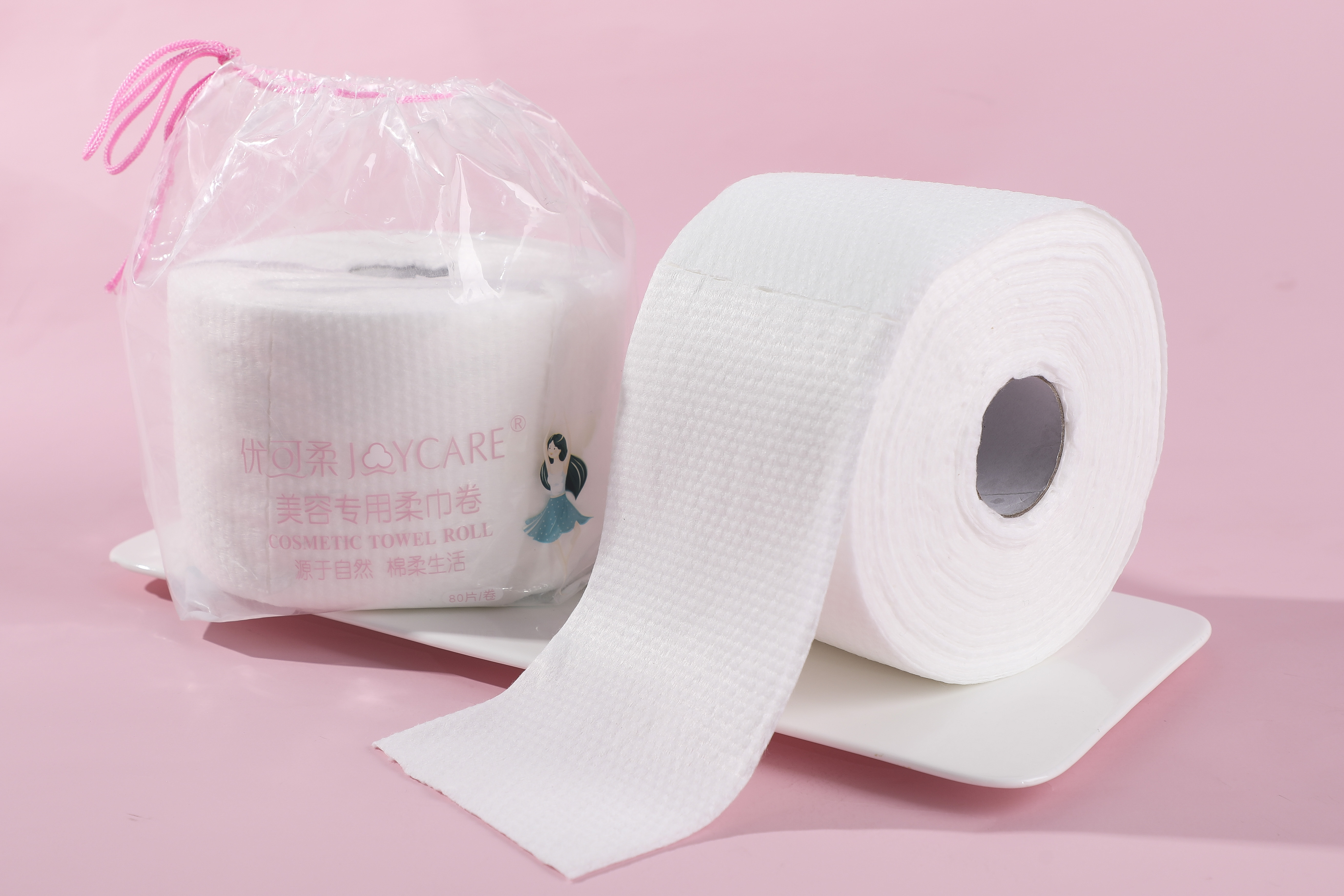
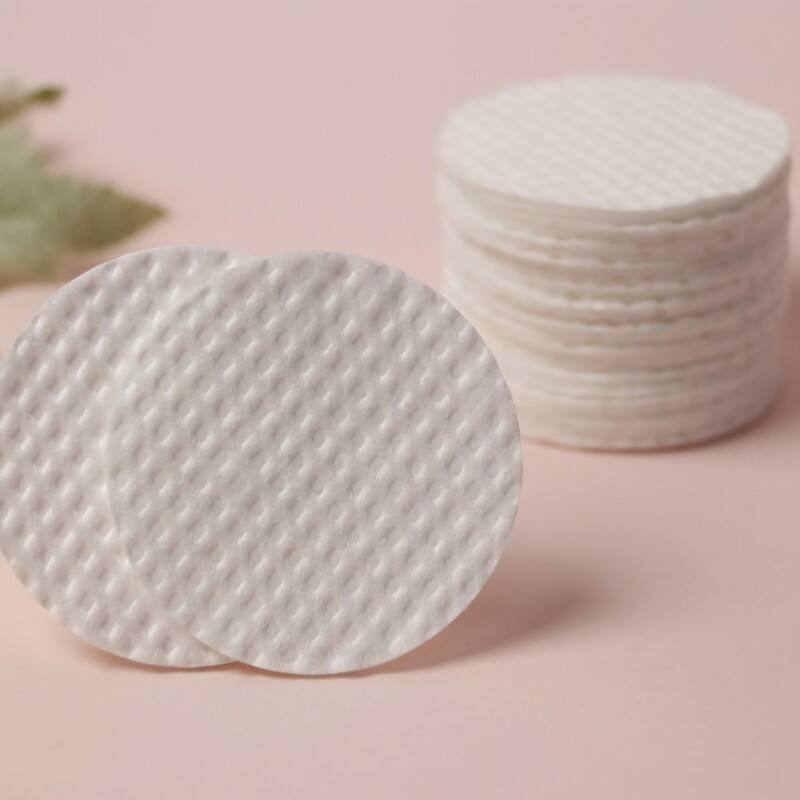
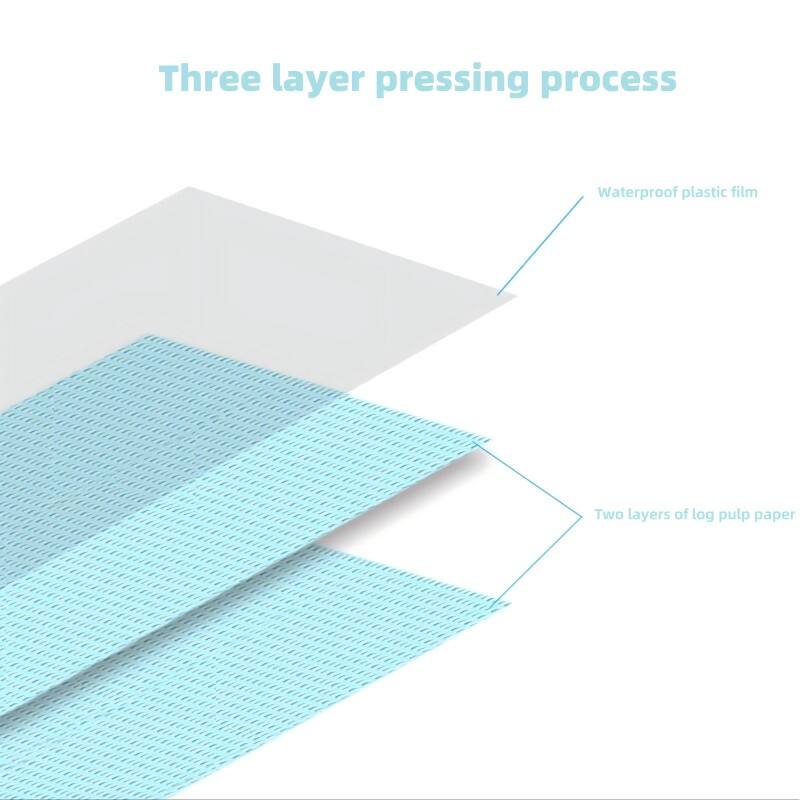
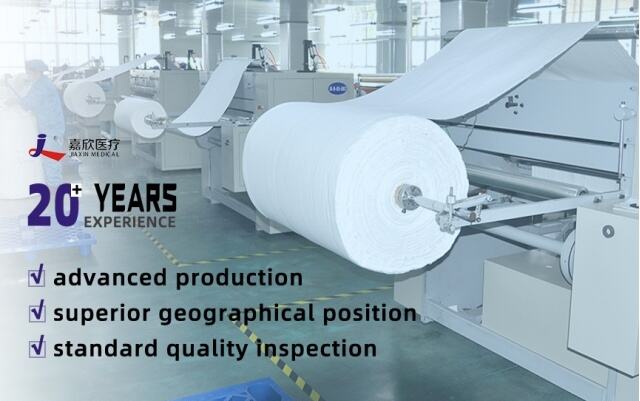
Non woven raw material nonwoven fabric represents a revolutionary textile technology that has transformed numerous industries through its versatile manufacturing processes and exceptional performance characteristics. Unlike traditional woven or knitted fabrics, non woven raw material nonwoven fabric is produced by bonding fibers together through mechanical, thermal, or chemical processes, creating a fabric structure without the need for weaving or knitting. This innovative approach allows manufacturers to create materials with specific properties tailored to diverse applications. The production of non woven raw material nonwoven fabric involves several sophisticated techniques including spunbond, meltblown, needlepunch, and hydroentanglement processes. These methods enable the creation of fabrics with varying densities, strengths, and filtration capabilities. The technological features of non woven raw material nonwoven fabric include excellent barrier properties, superior absorption capabilities, and customizable thickness ranges. The material demonstrates remarkable versatility in weight options, typically ranging from lightweight 10 GSM to heavy-duty 800 GSM variants. Non woven raw material nonwoven fabric applications span across medical and healthcare sectors, where it serves as surgical gowns, masks, and disposable medical supplies. The automotive industry utilizes this material for interior components, insulation, and filtration systems. Agricultural applications include crop protection covers, soil stabilization fabrics, and greenhouse materials. In construction, non woven raw material nonwoven fabric functions as geotextiles, roofing underlayments, and house wrap materials. The hygiene industry depends heavily on this material for diaper cores, feminine care products, and adult incontinence supplies. Environmental protection applications include erosion control, landfill liners, and water filtration systems. The packaging industry benefits from non woven raw material nonwoven fabric through protective wrapping, shopping bags, and food packaging applications.

Popular Products

Non woven raw material nonwoven fabric offers substantial cost-effectiveness compared to traditional textile manufacturing methods, eliminating expensive weaving or knitting processes while maintaining superior quality standards. This manufacturing efficiency translates directly into competitive pricing for end consumers without compromising product performance. The production speed of non woven raw material nonwoven fabric significantly exceeds conventional fabric manufacturing, enabling rapid order fulfillment and reduced lead times for urgent projects. Manufacturers appreciate the minimal waste generation during production, as the process optimizes raw material usage and reduces environmental impact. The versatility of non woven raw material nonwoven fabric allows customization of physical properties including strength, absorbency, and filtration efficiency to meet specific application requirements. This adaptability eliminates the need for multiple fabric types, simplifying inventory management and reducing procurement costs. Non woven raw material nonwoven fabric demonstrates exceptional durability and tear resistance, ensuring reliable performance across demanding applications while maintaining structural integrity under stress conditions. The material exhibits superior chemical resistance, making it suitable for harsh environments where traditional fabrics would deteriorate rapidly. Installation and handling of non woven raw material nonwoven fabric require minimal specialized equipment or training, reducing implementation costs and project complexity. The lightweight nature of non woven raw material nonwoven fabric reduces transportation costs and facilitates easier handling during installation procedures. Maintenance requirements are minimal, as the fabric resists degradation from UV exposure, moisture, and temperature fluctuations when properly selected for specific applications. The breathability characteristics of non woven raw material nonwoven fabric provide comfort advantages in personal protective equipment and clothing applications. Bacterial resistance properties make this material ideal for medical and hygiene applications where contamination prevention is critical. The recyclability of many non woven raw material nonwoven fabric variants supports sustainable manufacturing practices and environmental responsibility initiatives. Quality consistency across production batches ensures predictable performance characteristics, reducing quality control concerns and product liability issues for manufacturers and end users.

Latest News

Why Choose Jiaxin Medical's Cotton Spunlace ?

06

Sep

Why Choose Jiaxin Medical's Cotton Spunlace ?

View More
Jiaxin Medical would be theRising Star at Cosmobeaute Vietnam?

06

Sep

Jiaxin Medical would be theRising Star at Cosmobeaute Vietnam?

View More
Are there any differences and uses between medical cotton swabs and beauty cotton swabs?

25

Dec

Are there any differences and uses between medical cotton swabs and beauty cotton swabs?

View More
Are there any guidelines for the proper packaging of items in sterilization pouches?

27

Dec

Are there any guidelines for the proper packaging of items in sterilization pouches?

Follow essential guidelines for packaging items in sterilization pouches to ensure sterility, patient safety, and compliance with healthcare standards.
View More

Get a Free Quote

Our representative will contact you soon.
Email
Company Name
Name
Phone number
Product
Message
0/1000

non woven raw material nonwoven fabric

Advanced Filtration Technology and Barrier Protection

Advanced Filtration Technology and Barrier Protection

Non woven raw material nonwoven fabric excels in filtration applications through its unique fiber structure and engineered porosity control, making it indispensable for air and liquid filtration systems across industrial and consumer markets. The manufacturing process allows precise control over pore size distribution, creating materials with specific filtration efficiencies ranging from coarse particle removal to sub-micron filtration capabilities. This technological advantage makes non woven raw material nonwoven fabric superior to traditional woven filters, which often have irregular pore structures that compromise filtration consistency. The material demonstrates exceptional particle retention while maintaining optimal airflow characteristics, ensuring efficient system performance without excessive pressure drop. Medical applications particularly benefit from these properties, as non woven raw material nonwoven fabric provides reliable bacterial and viral filtration in surgical masks, respirators, and sterile packaging materials. Industrial air filtration systems utilize this material for dust collection, HVAC applications, and cleanroom environments where contamination control is paramount. The hydrophobic or hydrophilic properties can be engineered during manufacturing, allowing non woven raw material nonwoven fabric to repel or attract specific substances based on application requirements. This versatility enables the creation of oil-absorbing materials for spill cleanup while simultaneously repelling water, or conversely, creating highly absorbent materials for medical and hygiene applications. The barrier protection capabilities extend beyond filtration to include chemical resistance, making non woven raw material nonwoven fabric suitable for protective clothing in hazardous environments. The material maintains its filtration efficiency throughout extended use periods, providing consistent protection without degradation in performance. Quality control during manufacturing ensures uniform filtration characteristics across the entire fabric width and length, eliminating weak points that could compromise barrier effectiveness.
Sustainable Manufacturing and Environmental Benefits

Sustainable Manufacturing and Environmental Benefits

Non woven raw material nonwoven fabric manufacturing represents a significant advancement in sustainable textile production, utilizing eco-friendly processes that minimize environmental impact while maximizing resource efficiency. The production method requires substantially less water consumption compared to traditional textile manufacturing, addressing growing concerns about water scarcity and industrial waste management. Energy consumption during manufacturing is notably lower, as the process eliminates energy-intensive weaving or knitting steps, resulting in reduced carbon footprint and operational costs. Many non woven raw material nonwoven fabric variants are produced from recycled materials, including post-consumer plastic bottles and textile waste, contributing to circular economy principles and waste reduction initiatives. The manufacturing process generates minimal chemical waste, as bonding methods often rely on thermal or mechanical processes rather than chemical treatments that require extensive wastewater treatment. Biodegradable options are available using natural fibers and eco-friendly bonding agents, providing end-of-life disposal solutions that align with environmental sustainability goals. The lightweight nature of non woven raw material nonwoven fabric reduces transportation fuel consumption and packaging requirements, further minimizing the overall environmental impact throughout the supply chain. Production facilities can operate with reduced air emissions compared to traditional textile mills, contributing to improved air quality in manufacturing regions. The durability and longevity of non woven raw material nonwoven fabric reduce replacement frequency, decreasing long-term material consumption and waste generation. Recycling programs for used non woven raw material nonwoven fabric products are increasingly available, enabling closed-loop manufacturing systems that further enhance sustainability credentials. The versatility of raw material options allows manufacturers to select fibers based on environmental impact criteria, including renewable sources and rapidly renewable materials that support sustainable agriculture practices.
Cost-Effective Manufacturing and Economic Advantages

Cost-Effective Manufacturing and Economic Advantages

Non woven raw material nonwoven fabric manufacturing delivers exceptional economic advantages through streamlined production processes that significantly reduce manufacturing costs while maintaining high-quality output standards. The direct fiber-to-fabric production method eliminates intermediate steps required in traditional textile manufacturing, including yarn spinning and weaving operations, resulting in substantial cost savings that benefit both manufacturers and consumers. Labor requirements are minimized through automated production systems, reducing operational overhead and improving production consistency while eliminating human error factors that can affect product quality. Raw material utilization efficiency reaches optimal levels in non woven raw material nonwoven fabric production, as the process accommodates various fiber types and lengths, including recycled materials and manufacturing waste that would otherwise require disposal. Setup times for production runs are significantly shorter compared to traditional textile manufacturing, enabling rapid product changeovers and small-batch production capabilities that support just-in-time manufacturing strategies. The scalability of non woven raw material nonwoven fabric production allows manufacturers to adjust output volumes quickly in response to market demand fluctuations without significant capital investment or equipment modifications. Quality control processes are simplified due to the uniform nature of the manufacturing process, reducing inspection requirements and quality assurance costs while maintaining consistent product specifications. Inventory management becomes more efficient as non woven raw material nonwoven fabric production can accommodate custom specifications without maintaining extensive stock of pre-manufactured components. The reduced complexity of the manufacturing process translates to lower maintenance costs and reduced downtime compared to traditional textile machinery, improving overall equipment effectiveness and return on investment. Export opportunities expand due to the lightweight nature and compact packaging characteristics of non woven raw material nonwoven fabric, reducing shipping costs and enabling competitive pricing in international markets. These economic advantages create sustainable competitive positioning for manufacturers while delivering value to customers across diverse industry segments.
email goToTop